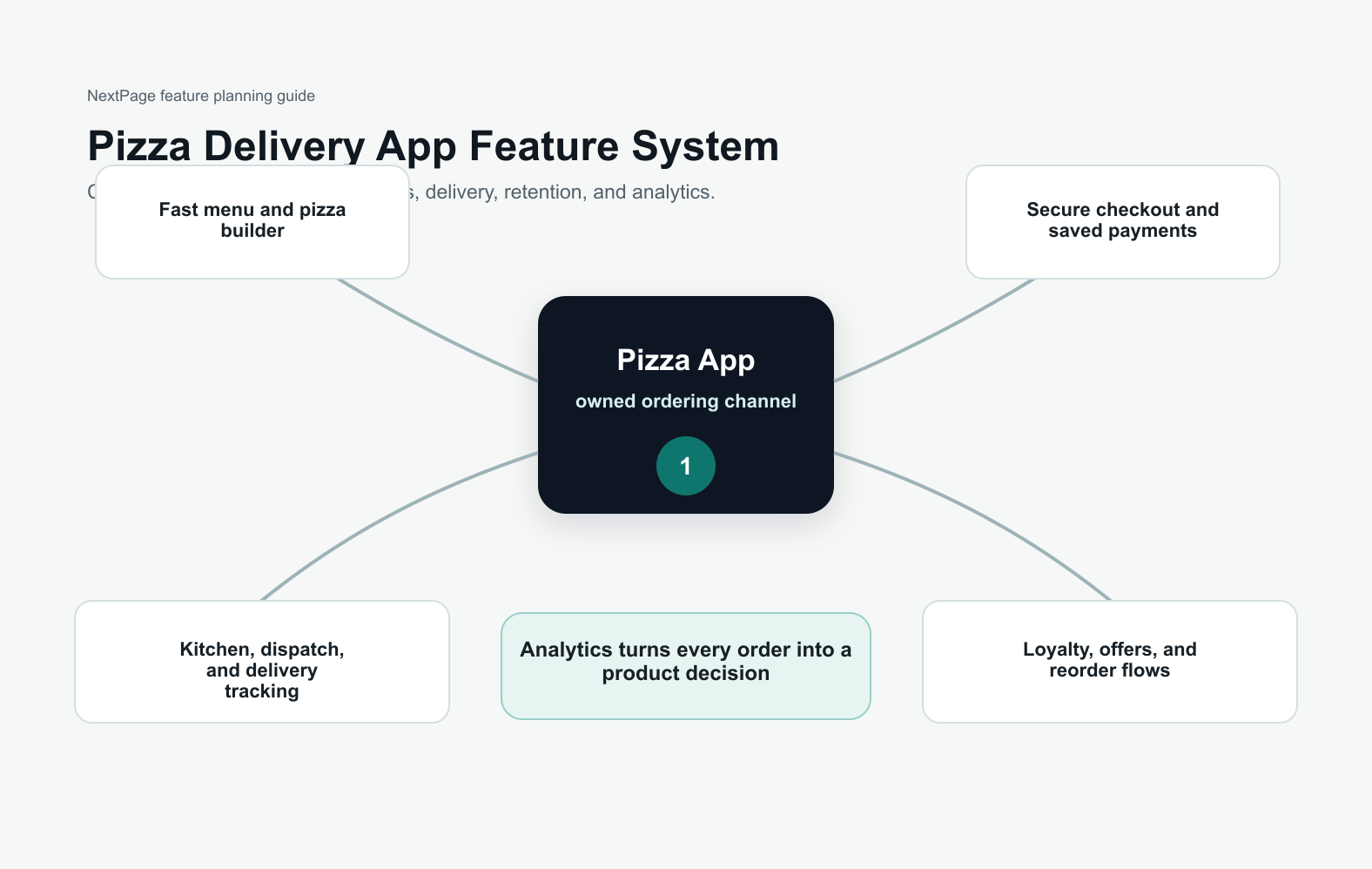

Food apps are moving from simple order-taking screens into connected restaurant, delivery, loyalty, and AI-assisted commerce systems. The next generation of food app development will be shaped by personalization, unified dining journeys, smarter operations, transparent data use, and faster paths from discovery to repeat order.
The important shift is not one isolated feature. A future-ready food app connects customer preferences, menu data, kitchen capacity, delivery logistics, payment rules, loyalty, support, and analytics. Restaurants and food brands that plan those pieces together can build apps that feel convenient for customers and manageable for operators.
Quick Answer: The Future Of Food Apps
The future of food apps is AI-assisted, personalized, operationally connected, and privacy-aware. The strongest apps will combine direct ordering, pickup, delivery, reservations, loyalty, menu intelligence, real-time order tracking, kitchen workflows, and customer support in one consistent experience.
For founders and restaurant operators, the best starting point is a focused roadmap: make the ordering flow reliable, connect it to restaurant operations, add loyalty and personalization after clean data is available, and treat AI features as decision support rather than a replacement for sound product design.
Why Food Apps Are Changing Now
Customer expectations have moved beyond browsing a menu and checking out. People now expect saved preferences, accurate availability, transparent fees, reliable delivery updates, easier pickup, useful loyalty rewards, and consistent service across mobile, web, and in-store touchpoints.
At the same time, restaurants need better control over margins, customer data, delivery coordination, kitchen timing, and marketing. That is why the future of food apps overlaps with food delivery app development benefits: the app becomes a business system, not only a customer-facing screen.
Trend 1: AI-Personalized Menus And Recommendations
Personalization will become one of the most visible food app trends. Apps can use order history, preferred cuisines, time of day, dietary needs, price sensitivity, location, weather, and loyalty status to suggest meals, combos, add-ons, and reorder options that feel relevant.
The risk is over-personalization without trust. A good app should separate hard restrictions, such as allergies or vegetarian preferences, from soft signals, such as favorite cuisine or budget. It should also explain recommendations in plain language when that helps the customer decide.
For product teams, personalization should start with clean events and consent-aware preferences before advanced models. The article on AI in food apps and personalized menus is a useful supporting guide when the roadmap includes recommendation logic.
Trend 2: Unified Delivery, Pickup, And Reservations
Food apps are becoming broader guest-experience platforms. A customer might discover a restaurant, reserve a table, order pickup, reorder delivery, save dietary preferences, redeem rewards, and contact support through the same brand relationship.
This matters because fragmented journeys create operational noise. If delivery, pickup, dine-in, loyalty, and support live in disconnected systems, the customer sees inconsistent offers and the restaurant loses context. A unified app should make those journeys feel connected while still keeping each workflow simple.
Businesses planning a direct channel can compare this trend with food ordering app best practices, especially around menu structure, checkout clarity, and operational handoffs.
Trend 3: Connected Restaurant Operations
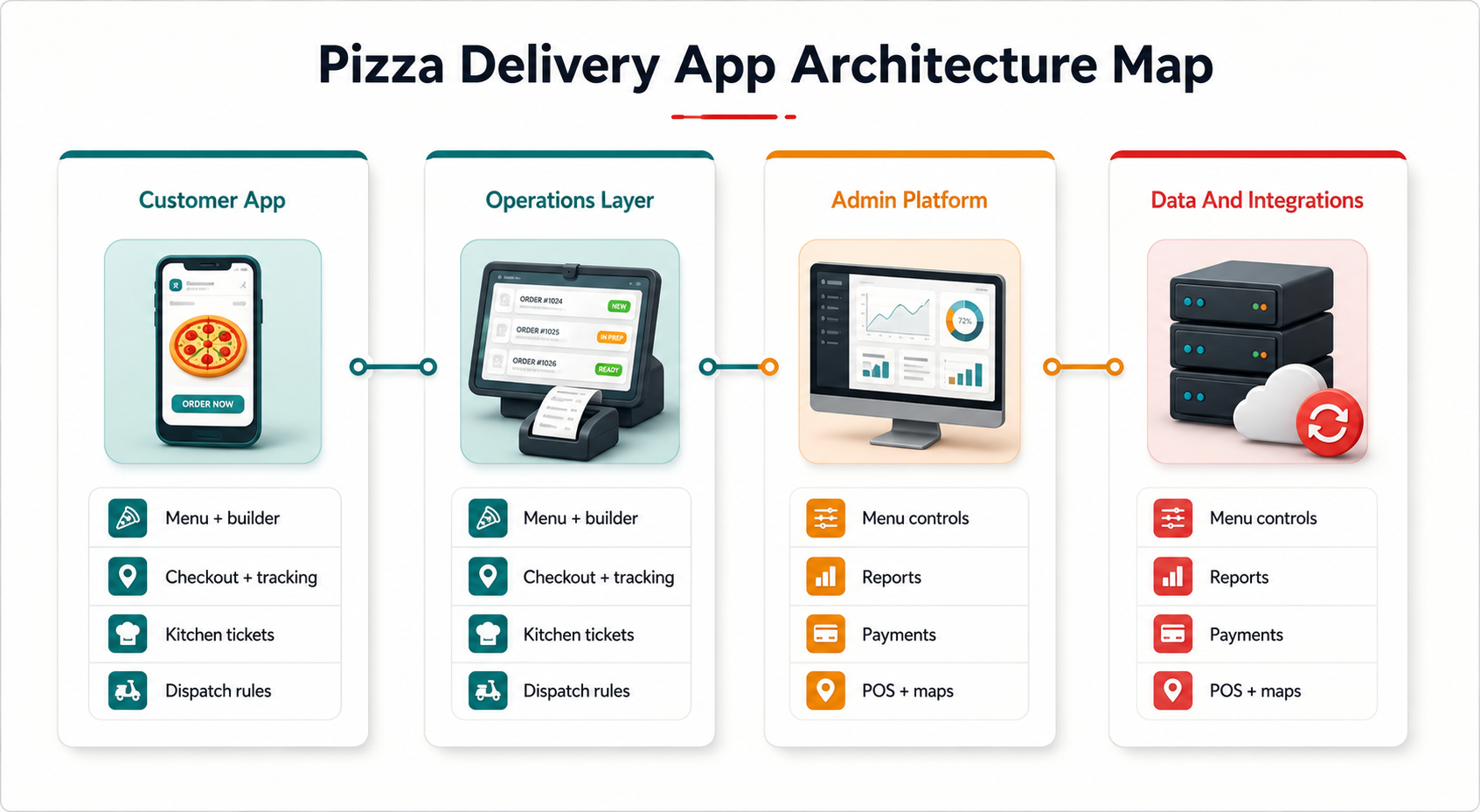
The future of food apps will depend heavily on back-office integration. Restaurant teams need menu management, item availability, kitchen display systems, order acceptance, courier assignment, refund notes, customer support, campaign reporting, and sales analytics.
Without that operational layer, new customer-facing features can make the business harder to run. Voice ordering, personalization, delivery tracking, and loyalty all depend on accurate menus, clean order states, and staff workflows that can handle exceptions.
This is where food app work often becomes custom software development. A single restaurant, cloud kitchen, franchise group, and multi-vendor marketplace will each need different rules for roles, zones, menus, pricing, refunds, reporting, and integrations.
Trend 4: AI-Assisted Ordering And Support
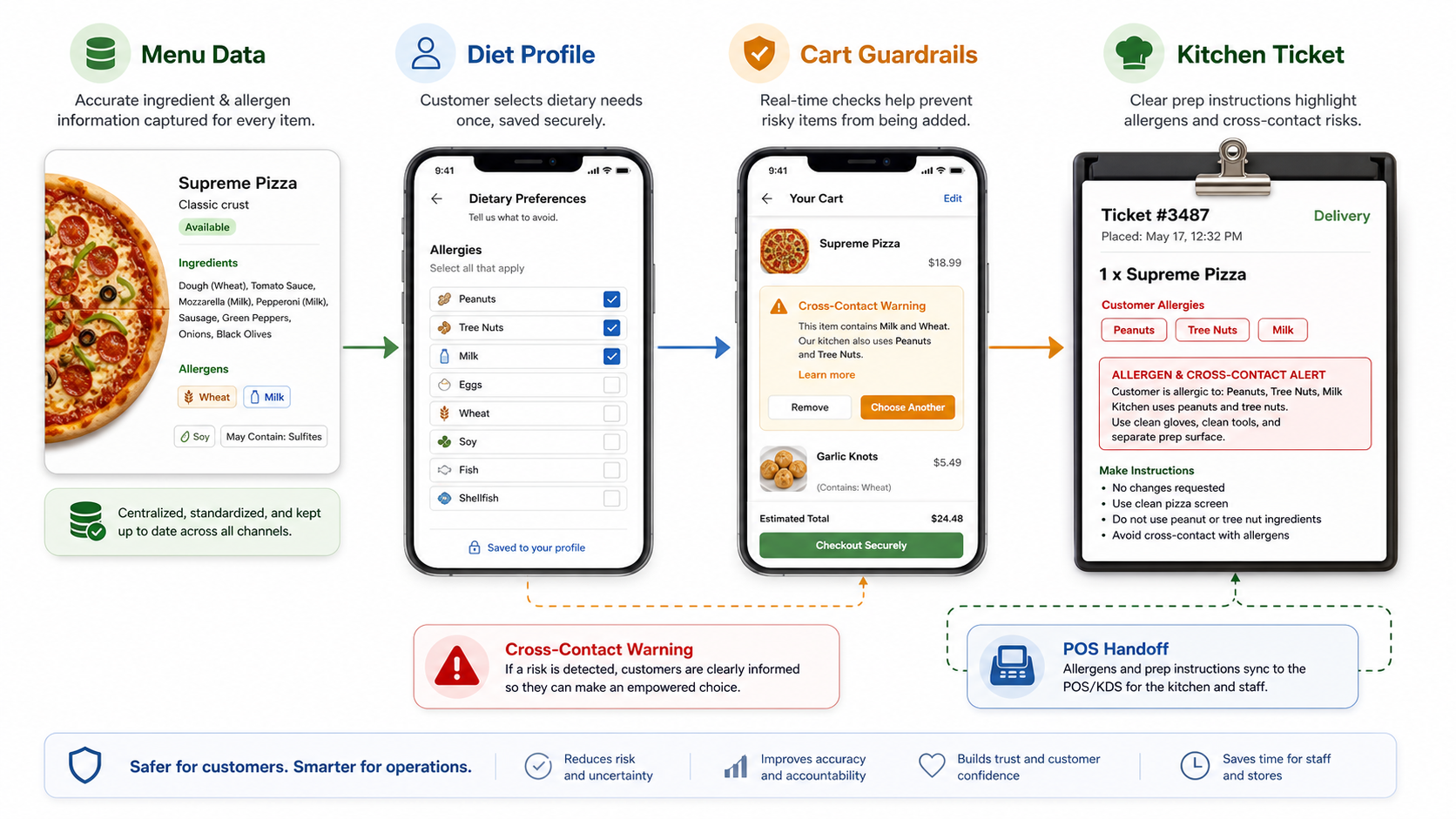
AI ordering will keep expanding across chat, voice, phone, drive-through, and in-app assistants. The most useful versions reduce friction: answering menu questions, checking allergens, helping with substitutions, reordering a past meal, applying a valid offer, or escalating support with the right context.
AI should be designed with guardrails. Food orders include allergies, pricing, delivery times, refunds, and customer frustration, so the assistant needs clear limits, audit trails, fallback paths, and human handoff rules. For complex products, AI belongs inside a tested workflow rather than as a standalone chatbot.
If AI is central to the product roadmap, NextPage's AI development services can help scope the data, guardrails, model integration, and operations review flow before development begins.
Trend 5: Sustainability, Traceability, And Trust
Customers increasingly care about ingredient quality, ethical sourcing, packaging, waste, and restaurant transparency. Food apps can support this with clearer item information, local sourcing notes, dietary labels, carbon-aware delivery options, reusable packaging programs, and food waste reduction offers.
Traceability does not require every app to use blockchain. Most businesses need practical visibility first: reliable supplier data, inventory rules, allergen controls, preparation notes, and accurate customer-facing claims. The app should avoid promising sustainability or health benefits that the restaurant cannot verify.
Trend 6: Smarter Delivery Logistics And Tracking
Delivery reliability will remain a major differentiator. Customers want realistic ETAs, clear preparation status, driver or pickup updates, and fast support when something changes. Operators need route context, batching rules, courier visibility, and exception handling.
Future food apps will use better dispatch rules, traffic-aware estimates, delivery-zone controls, and integrations with third-party logistics providers. For restaurant groups, this can reduce late orders, refund volume, support calls, and kitchen stress.
The same planning logic appears in Domino's-style pizza delivery app development, where ordering, kitchen timing, payments, dispatch, and tracking must work as one system.
Trend 7: Loyalty, Community, And Retention Loops
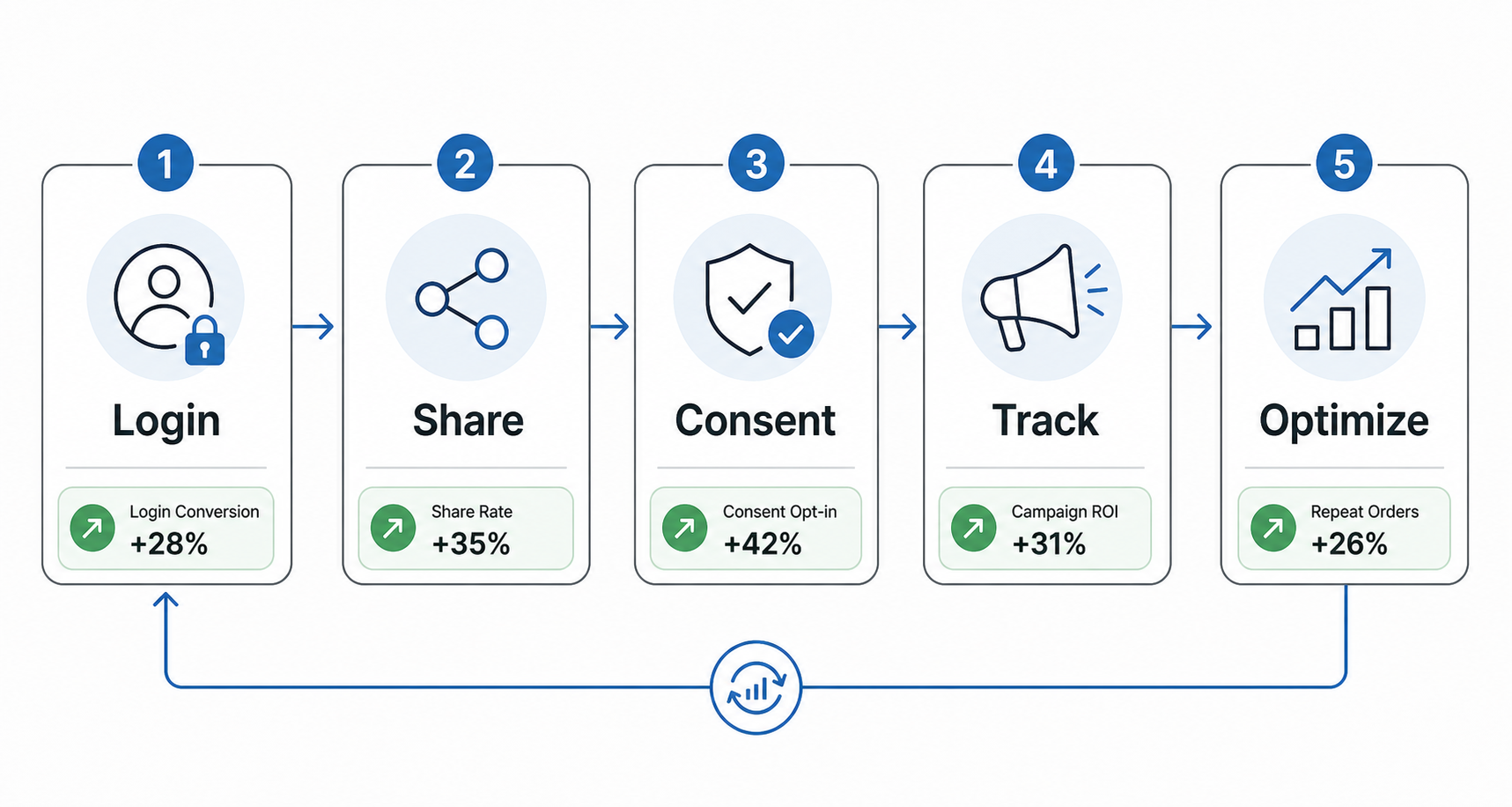
Future food apps will use loyalty as more than a points counter. The app can recognize regular customers, create personalized bundles, prompt reorders, collect feedback, run referral campaigns, and segment offers based on real behavior.
Community features should be used carefully. Ratings, favorite lists, shared carts, group orders, and creator-led food recommendations can work when they support discovery or repeat purchase. They become noise when they distract from ordering speed and restaurant operations.
Teams planning retention features can use the MVP Scope Builder to separate launch-critical ordering features from later loyalty and community layers.
Trend 8: Privacy-First Food App Data Strategy
Food preferences can reveal sensitive information about health, religion, family needs, location patterns, and budget. As personalization grows, food apps need consent-aware data collection, clear profile controls, secure payment handling, limited staff access, and retention rules for customer history.
Data strategy should be part of product planning from the start. The app should collect only what improves the experience or operations, explain why it needs sensitive preferences, and let users update or remove saved information without contacting support.
A Practical Food App Roadmap For 2026
The safest roadmap is staged. It lets the business learn from real orders before investing heavily in complex AI, automation, or community features.
| Stage | Priority | What To Build |
|---|---|---|
| Foundation | Reliable ordering | Menu, cart, checkout, payment, pickup or delivery, order status, support |
| Operations | Restaurant control | Admin dashboard, item availability, kitchen workflow, refunds, reporting |
| Retention | Repeat revenue | Loyalty, reorder, offers, referrals, push notifications, feedback loops |
| Intelligence | Better decisions | Personalized menus, demand insights, smart bundles, AI-assisted support |
| Scale | Multi-location growth | Roles, franchise rules, delivery zones, integrations, analytics, governance |
Before budgeting a build, teams can compare scope assumptions with the food delivery app development cost guide or use the Custom Software Cost Estimator for a directional range.
What Founders And Restaurant Teams Should Prioritize
Prioritize the parts of the food app that remove daily friction. For customers, that usually means fast ordering, accurate menus, saved preferences, transparent pricing, and clear updates. For operators, it means fewer manual calls, cleaner kitchen workflows, better order visibility, and more useful customer data.
Do not start with every trend at once. A focused food app can launch with ordering, payment, operations, and retention basics, then add AI personalization, voice ordering, sustainability labels, and advanced delivery optimization once the business has reliable data and a proven workflow.
If the product needs native mobile performance, stored preferences, push notifications, and device-specific UX, NextPage's mobile app development team can help choose the right architecture for the first release.
Final Takeaway
The future of food apps is not about chasing every new technology. It is about building a connected digital food experience that helps customers decide faster, helps restaurants operate with less friction, and gives the business a direct channel for learning and growth.
The winning apps will be practical first: reliable ordering, transparent data use, operational clarity, and retention loops that keep improving with real customer behavior.