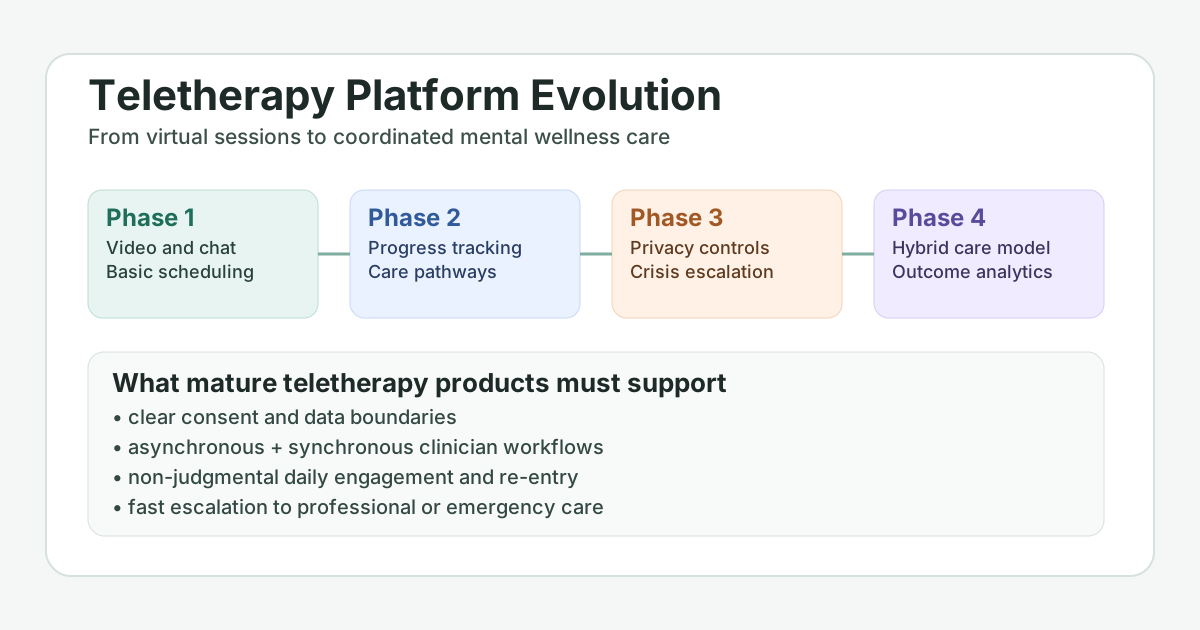

Teletherapy has moved far beyond a simple video call with a therapist. The best modern mental wellness products now combine synchronous sessions, asynchronous follow-ups, guided exercises, safety protocols, and privacy controls into one coordinated care experience. For users, this evolution can mean faster support, more continuity between sessions, and a lower barrier to starting care.
For product and care teams, however, teletherapy platform design is now more demanding. You need to balance clinical safety, operational efficiency, user trust, and long-term engagement without creating a cold or overly medical interface. This guide explains how teletherapy products are evolving, what architecture and UX patterns matter most, and how to build responsibly.
Quick answer: how has teletherapy evolved in mental wellness app development?
Teletherapy has evolved from appointment-only video tools into hybrid support systems that combine live sessions, secure asynchronous messaging, progress tracking, and risk-aware escalation paths. The strongest products now support three layers of care: daily self-guided support, clinician collaboration, and urgent escalation when risk signals rise. This shift improves continuity and helps users receive the right level of support at the right time.
Why teletherapy product design matters now
Mental wellness users often arrive in high-friction moments: stress spikes, emotional fatigue, low motivation, or uncertainty about whether they need professional help. In these moments, product experience is not a cosmetic layer. Navigation clarity, tone, response-time expectations, and escalation visibility directly affect whether users continue or drop off.
Poor design creates hidden risk. If users cannot tell what happens to their data, when a clinician will respond, or what to do in urgent situations, trust breaks quickly. Good teletherapy UX makes boundaries explicit: what the app can do, what it cannot do, and what next action is safest.
From video visits to hybrid care systems
Early teletherapy products focused on booking and video infrastructure. Today, teams are designing full care loops where session time is just one component. Between visits, users may complete journaling, mood check-ins, grounding exercises, or clinician-assigned activities. Clinicians can then review structured signals instead of relying only on memory during the next session.
This hybrid model reduces context loss and improves care continuity. It also improves operational efficiency because clinicians can triage asynchronous signals before a live session and prioritize the cases that need immediate attention.
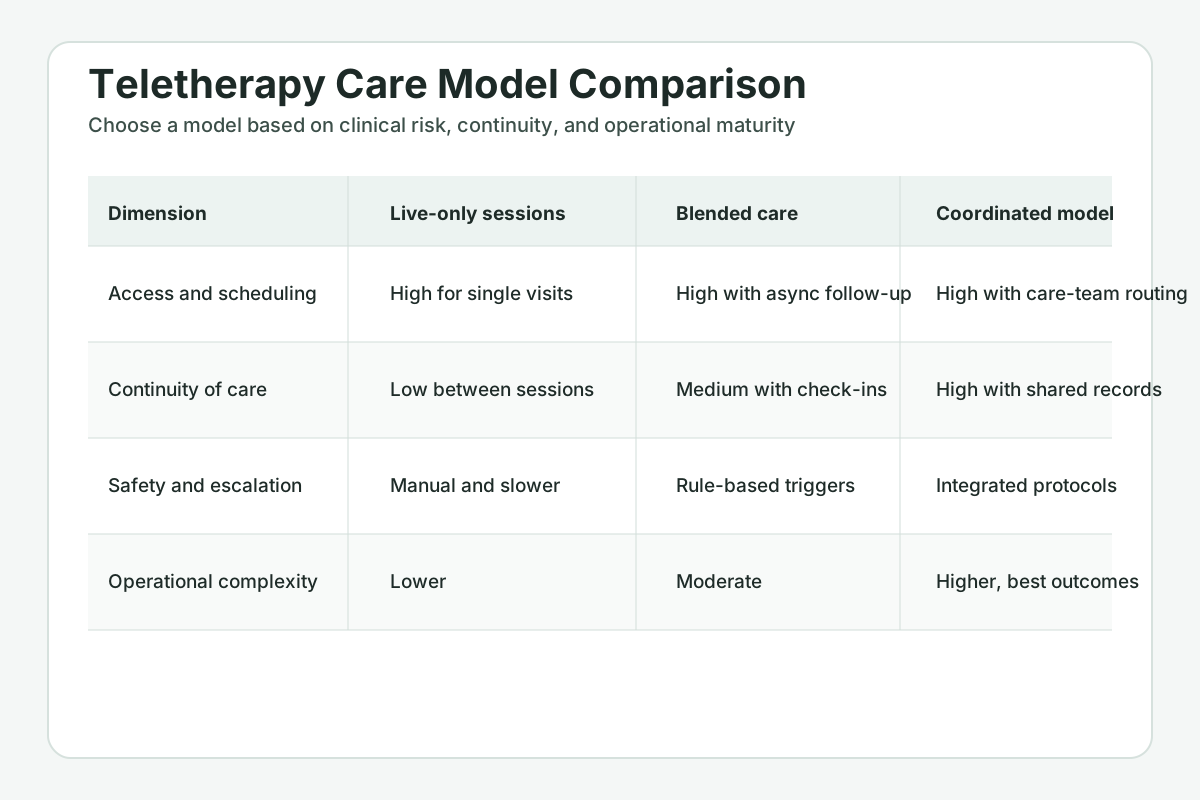
| Model | Strength | Constraint | Best fit |
|---|---|---|---|
| Live-only teletherapy | Simple to launch and easy to explain | Limited continuity between sessions | Early-stage or low-complexity products |
| Blended teletherapy | Supports daily engagement with async tools | Needs stronger workflow design | Growth-stage wellness products |
| Coordinated care platform | Best for safety, continuity, and outcomes | Higher implementation complexity | Mature products with care-team operations |
Core teletherapy workflows to design
Reliable teletherapy products define core workflows before feature expansion. The minimum set usually includes onboarding, matching or triage, session flow, between-session support, and escalation.
- Onboarding and consent: explain care model, data use, response boundaries, and emergency disclaimers.
- Matching and triage: route users by need intensity, preference, and therapist availability.
- Session workflow: support notes, goals, and next-step commitments.
- Between-session support: provide structured check-ins and optional nudges without pressure.
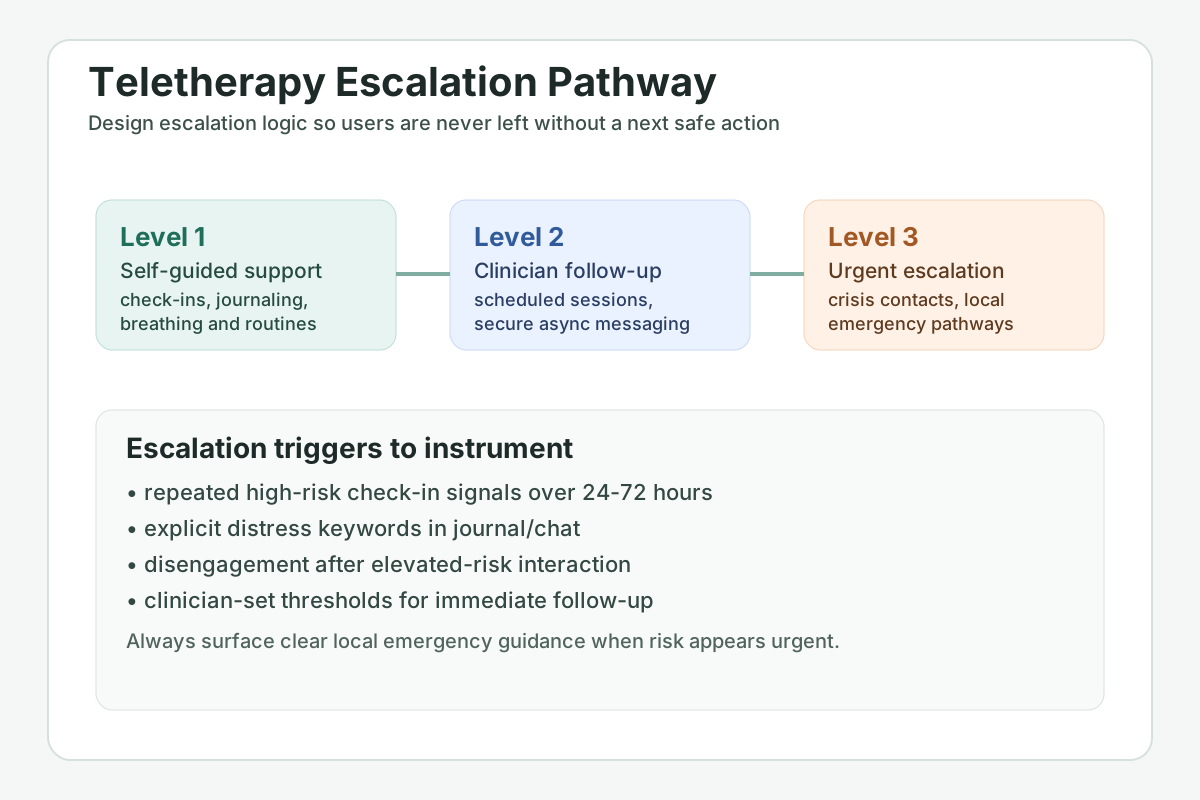
- Escalation workflow: detect high-risk signals and surface immediate support options.
Trust, privacy, and compliance UX
Teletherapy products handle sensitive personal information and must present privacy controls as part of normal UX, not buried legal text. Use plain language for consent screens, clearly label what data is shared with clinicians, and make export/deletion paths easy to find.
The NIST Privacy Framework is useful for structuring privacy risk management in product planning. For user-facing guidance and supportive wellbeing practices, teams can also review public mental health guidance from the World Health Organization. Products should never imply that app automation alone replaces urgent or specialist care.
Designing risk escalation paths
Escalation design is one of the most critical responsibilities in teletherapy apps. If a user shows elevated risk signals, the interface should present immediate options without forcing complex navigation. Escalation pathways should include local emergency direction, clinician-contact options, and region-appropriate crisis resources.
Engagement without harmful pressure
Traditional growth tactics like streak pressure and guilt-based reminders can be counterproductive in mental wellness contexts. Better retention usually comes from gentle re-entry, flexible routines, and clear progress reflections. The product should help users restart after missed days without shame.
A useful benchmark is whether the app still feels supportive on a difficult day. If every flow assumes a highly motivated user, engagement will collapse when users need support most.
How to choose a teletherapy app development partner
Teams building teletherapy products need a development partner who can combine secure backend engineering, UX strategy, role-based workflows, and measurable delivery. If you are planning build scope, the mobile app development service can frame architecture and rollout priorities. For early budgeting, use the custom software cost estimator to align timeline, complexity, and team shape.
For related design patterns focused on trust and usability, see User Interfaces in Mental Wellness App Development. Teams planning AI-assisted triage or support copilots can also review the AI Agent Development landing page, and health-adjacent delivery proof is available in the PaceSync portfolio case study.
Final takeaway
The evolution of teletherapy is really the evolution of coordinated care experience. Winning products are not defined by video calling alone; they are defined by how well they connect daily support, clinician workflows, privacy safeguards, and escalation logic. Teams that treat safety and trust as first-class product requirements are far more likely to create durable and effective mental wellness platforms.