











Asset Management Software Development

Asset Management Software Development for the Full Asset Lifecycle

Build custom asset management software for inventory, QR identification, custody, check-in and check-out, transfers, maintenance context, documents, audit history, and field updates.

See how we work
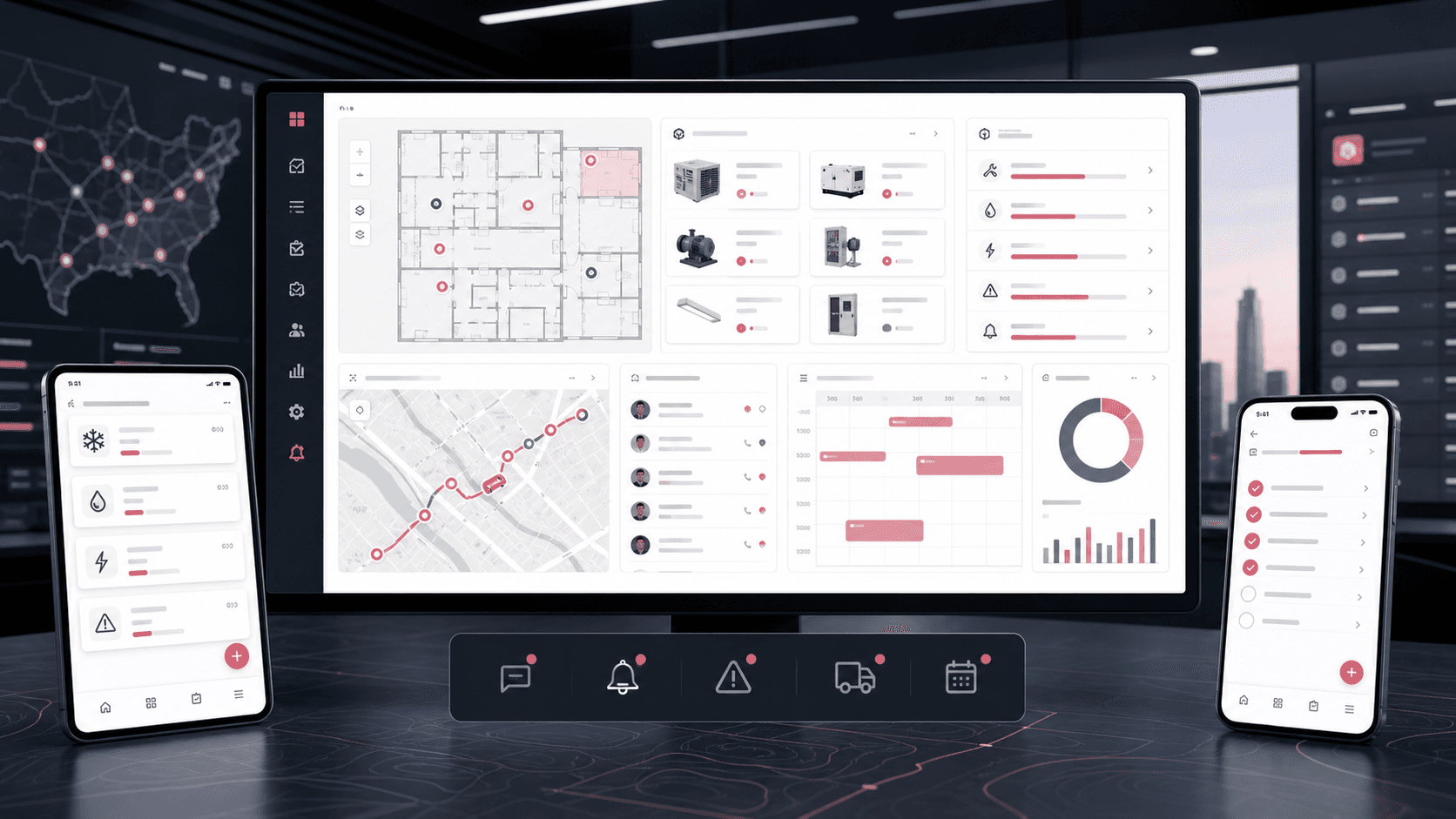
Asset management software connecting digital asset records, QR scans, custody changes, maintenance history, and field updates

Built for

Operations leaders, asset managers, CTOs, and product teams that need reliable ownership, location, condition, custody, and history for physical assets.

Lifecycle
record from receipt to disposal
QR
field identification workflows
Custody
check-in, checkout, and transfers
Audit trail
files, status, and history context
  • OpenAI logo
  • Google Gemini badge
  • AWS Partner Advanced Tier Services badge
  • Upwork top-rated developer agency badge
  • HubSpot Solution Partner badge
  • mathaccelmaking math easy for everyone
  • Shopify Partners badge
  • Google Developers logo
  • AWS Partner Services badge
  • Microsoft Partner logo
  • AWS Partner Cloud Operations Services Competency badge
  • Microsoft Azure badge
  • ucodecoding for kids
  • Mixpanel logo
  • AWS Partner Security Services Competency badge
  • IBM Business Partner logo
  • Google Cloud Services badge

A trustworthy asset record that preserves identity, ownership, location, condition, and activity history.

Fast mobile workflows for QR scanning, custody changes, evidence, and field updates.

Lifecycle rules that support transfers and status changes without losing related operational context.

Why this matters

Problems we remove before they become expensive

The best outsourcing and software projects work because expectations, ownership, and delivery rituals are clear from the first week.

Teams cannot reliably answer who has an asset, where it is, or what changed.

Spreadsheet inventories drift away from the physical equipment in the field.

QR or barcode scans identify an item but do not trigger a controlled business workflow.

Transfers, leases, sales, returns, retirement, and disposal break the asset history.

Maintenance, documents, warranties, usage, and condition evidence are stored separately.

Off-the-shelf products cannot model your quantities, locations, custom fields, or approval rules.

What we build

A focused scope for this service

We shape the scope around the result you need, the systems you already have, and the first release that can create value.

Asset Registry And Taxonomy

Create a durable system of record for different equipment classes without reducing every item to the same fixed form.

  • Types, categories, identifiers, quantities, and custom fields
  • Locations, owners, departments, condition, and status
  • Documents, photos, warranty, supplier, and purchase context

QR And Barcode Workflows

Use scanning as the entry point to a verified action, not merely a shortcut to a record.

  • Unique label generation and bulk printing
  • Mobile scan, lookup, permission, and confirmation flows
  • Duplicate, damaged, missing, and replacement-label handling

Custody And Transactions

Track responsibility as assets move between people, rooms, sites, teams, customers, or vendors.

  • Check-in, checkout, reservation, issue, and return
  • Reason, assignee, location, timestamp, and evidence
  • Overdue rules, reminders, approvals, and exception handling

Transfer And Lifecycle Controls

Preserve a coherent history through moves, leases, sale, write-off, retirement, and disposal.

  • Site and organization transfers
  • Sold, leased, inactive, lost, retired, and disposed states
  • Related work, files, readings, and transaction history retained

Maintenance And Usage Context

Keep service decisions close to the asset record while allowing a maintenance system to remain the specialist owner when needed.

  • Work orders, preventive schedules, meter readings, and downtime
  • Parts, vendor, cost, and service-document context
  • API integration with CMMS, EAM, ERP, IoT, and telematics

Reporting, Security, And Migration

Design for trustworthy reporting and controlled change from the first import onward.

  • Role-based permissions and audit events
  • Import validation, reconciliation, and exception queues
  • Lifecycle, utilization, loss, condition, and service reporting

Delivery model

How we turn the first call into a working system

We keep discovery practical, ship in visible increments, and make ownership clear so you can scale with confidence.

1

Define Asset Truth

Agree which identifiers, states, relationships, and source systems determine the trusted record.

2

Design Field Actions

Prototype scans, transfers, checkouts, evidence capture, and exception paths with the people doing the work.

3

Migrate And Reconcile

Clean existing inventories, map identifiers, import in stages, and surface records that need human review.

4

Roll Out By Workflow

Start with one site, team, or lifecycle event and expand after labels, data, devices, and support processes hold up.

Engagement options

Flexible enough for a project, stable enough for a long-term team

Choose the model that fits your current stage. We can start small, add specialists, or run a full product pod.

Scoped sprint

Best for discovery, MVP planning, prototypes, audits, or a tightly defined release.

  • Fixed deliverables
  • Weekly checkpoints
  • Clear handoff

Dedicated pod

Best when you need consistent product velocity without hiring a full in-house team.

  • Developers, QA, and PM support
  • Sprint rituals
  • Monthly capacity planning

Long-term partner

Best for companies that want a reliable India team for ongoing software and AI delivery.

  • Roadmap ownership
  • Maintenance and scaling
  • Specialists added as needed

Delivery experience

Asset Registry And Field Workflows Inside A Larger Operations Platform

Our NDA-safe OpsLink case study shows an asset module connected to facilities, maintenance, files, custom fields, QR scanning, transfers, check-in/out, and mobile work.

Configurable asset records

Custody and transaction history

Web and mobile workflows

FAQ

Questions companies usually ask first

Clear answers help you understand how the engagement works before we get on a call.

What Does Custom Asset Management Software Track?

It can track identity, type, quantity, location, owner or custodian, condition, status, documents, warranties, transactions, transfers, maintenance context, usage readings, and a complete change history. The exact record should match the decisions your operators need to make.

How Does QR Code Asset Tracking Work?

A unique QR label points a mobile user to the correct asset record. The useful part is the workflow after the scan: validate permission and current state, capture the intended action and evidence, handle connectivity or duplicate scans, and write an auditable transaction.

Can Asset History Survive A Transfer, Sale, Or Lease?

Yes. A well-designed lifecycle model changes ownership, custody, location, and commercial status while preserving the asset identity and the related transactions, files, service events, and audit history that policy allows.

Is Asset Management Software The Same As A CMMS?

Not exactly. Asset management follows the broader lifecycle and value of physical assets, while a CMMS focuses on maintenance planning and execution. They can be modules in one platform or integrated systems with clear ownership boundaries.

Can You Integrate Scanners, ERP, IoT, Or Existing Asset Systems?

Yes. Integration may use device cameras, rugged scanners, APIs, files, events, or IoT feeds. Discovery should define the trusted source for each field and the conflict, retry, and reconciliation rules before implementation.

Next step

Tell us what you want to build. We will map the first practical plan.

Share your goal, current stack, deadline, and team gaps. We typically respond within 24 hours.

Use the project form first

The form captures your goal, budget, timeline, and service context so we can route the lead, prepare properly, and keep follow-up inside the pipeline.