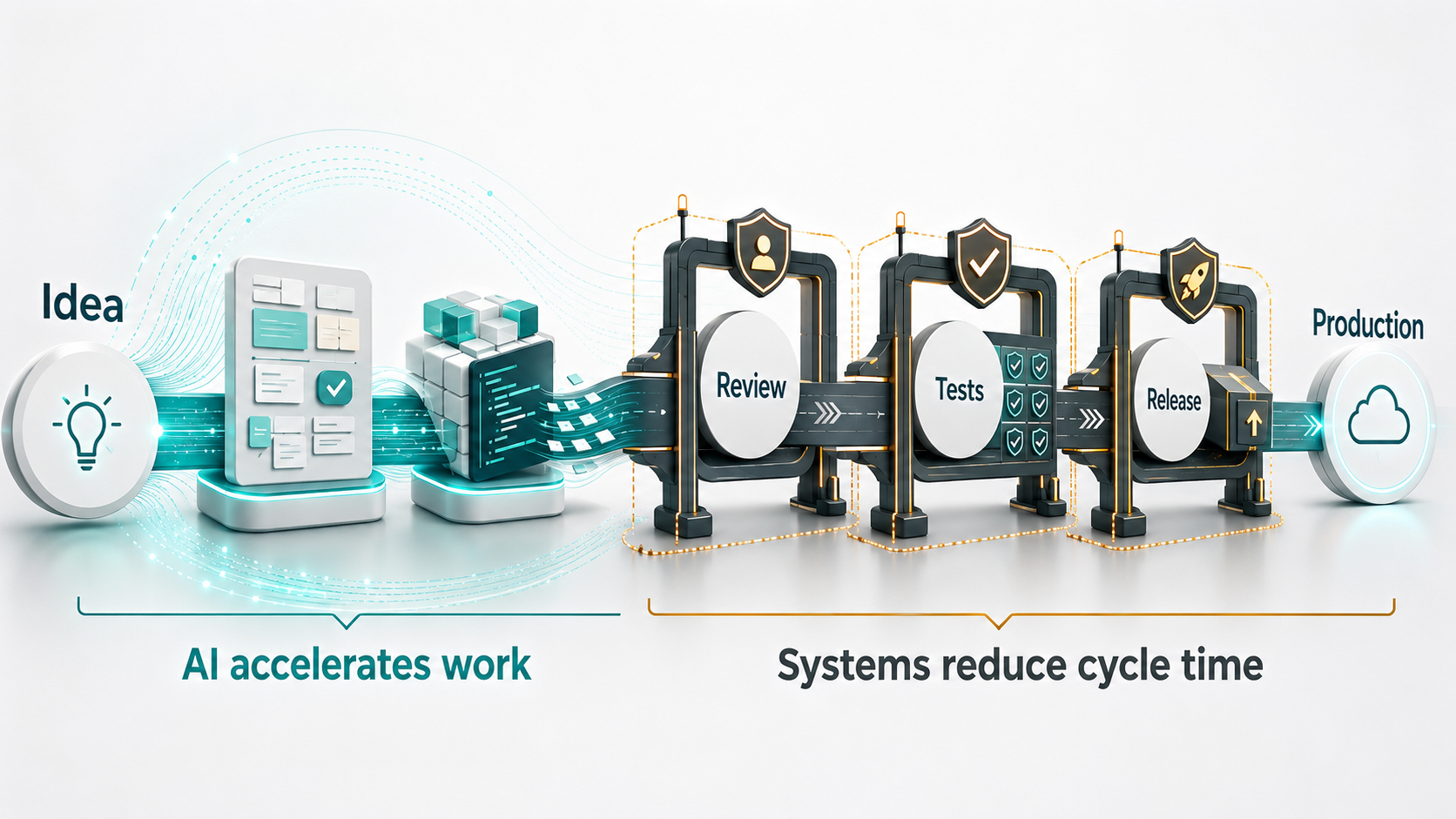
AI Engineering Cycle Time: Where AI Actually Speeds Software Delivery
A practical guide to reducing engineering cycle time with AI across requirements, reviews, testing, CI/CD, release operations, and team extension.
Notes from the NextPage team on product engineering, app development, outsourcing, and the practical choices behind reliable digital products.
Browse topicsMeet the authorEditorial standards
Showing 85–96 of 430 posts
A practical guide to reducing engineering cycle time with AI across requirements, reviews, testing, CI/CD, release operations, and team extension.
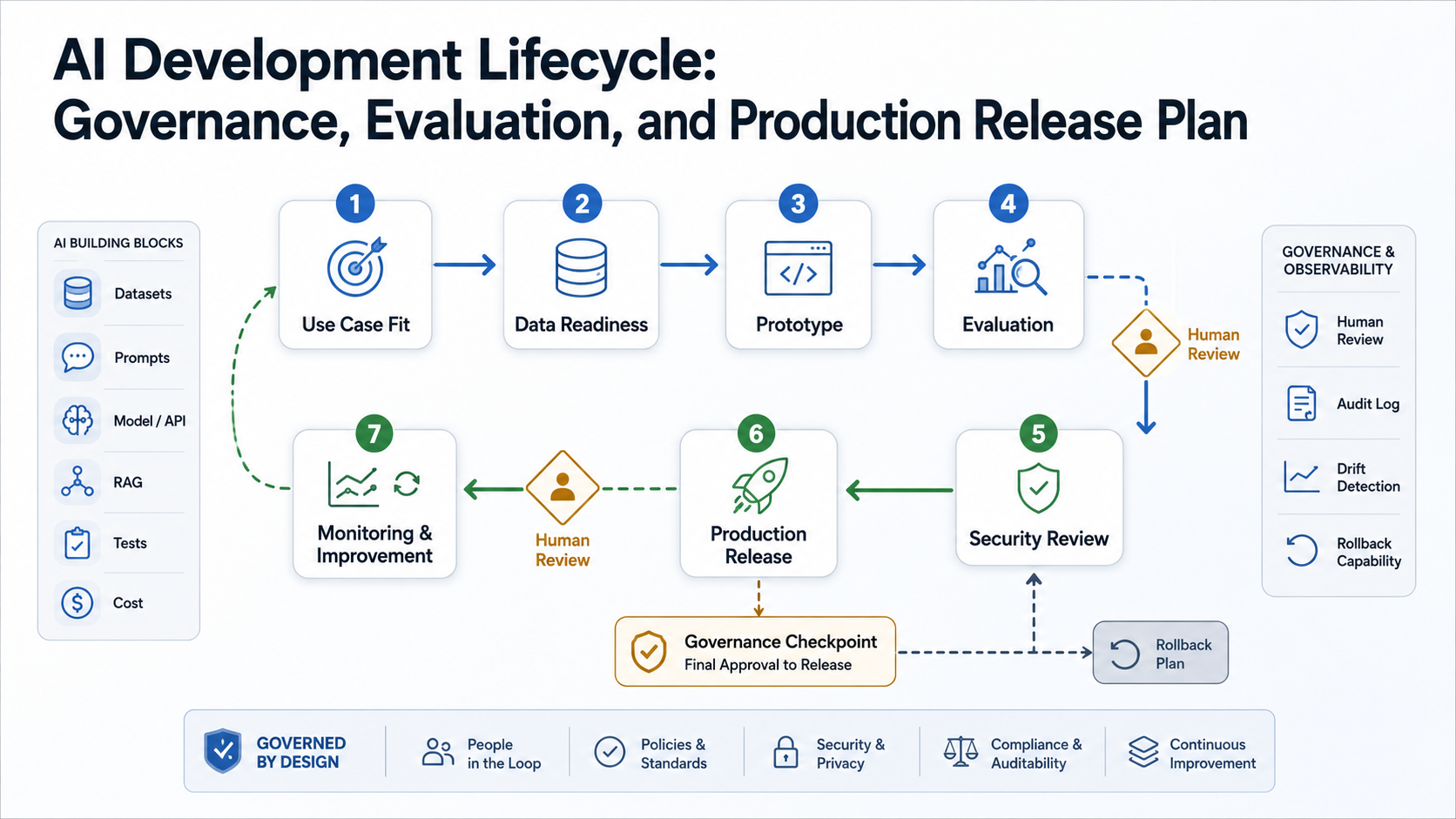
A practical AI development lifecycle for moving AI features from idea to production with data readiness, evaluation gates, governance, monitoring, and release controls.
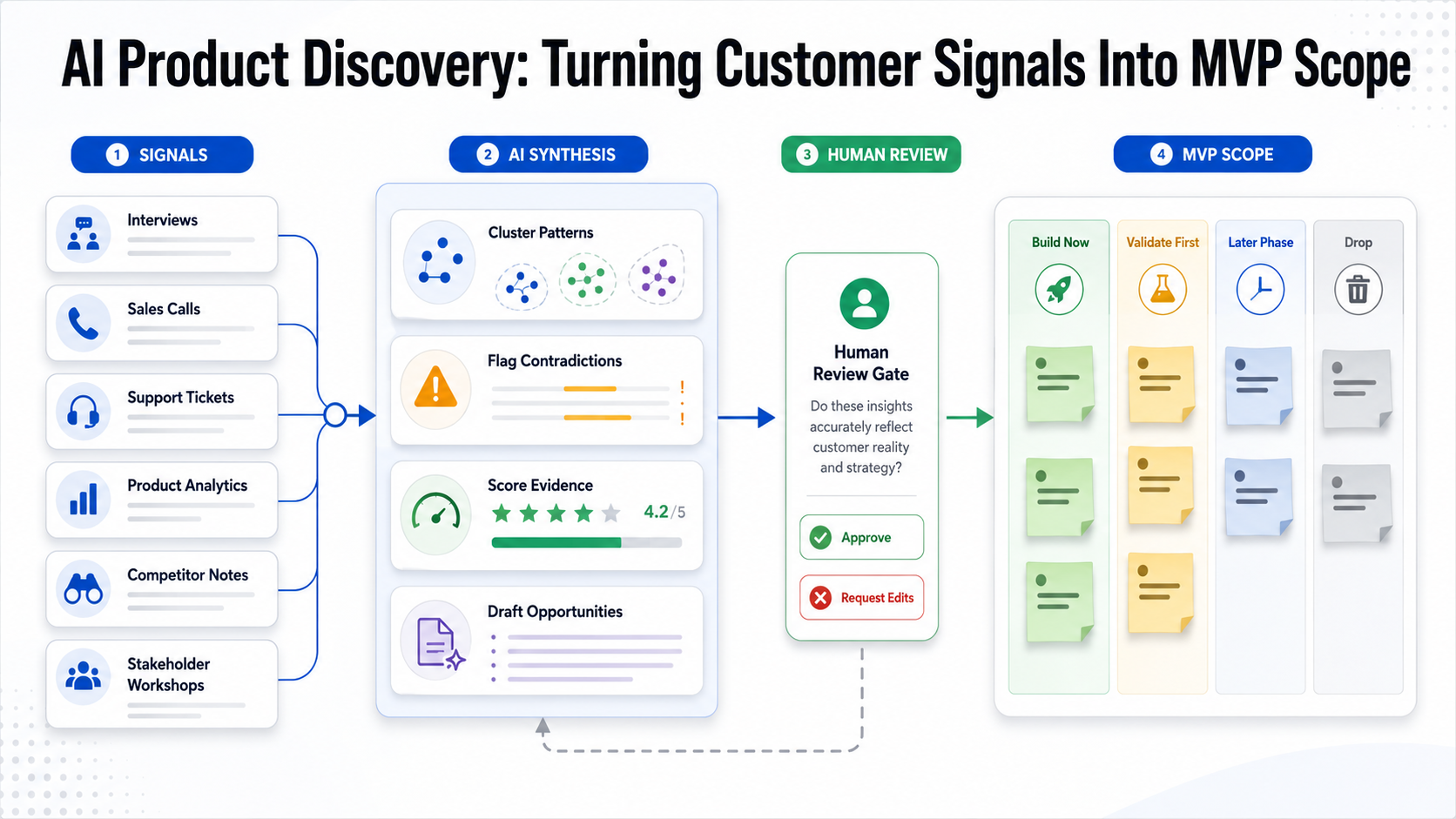
Use AI product discovery to synthesize customer signals, score opportunities, define human review boundaries, and turn evidence into practical MVP scope.
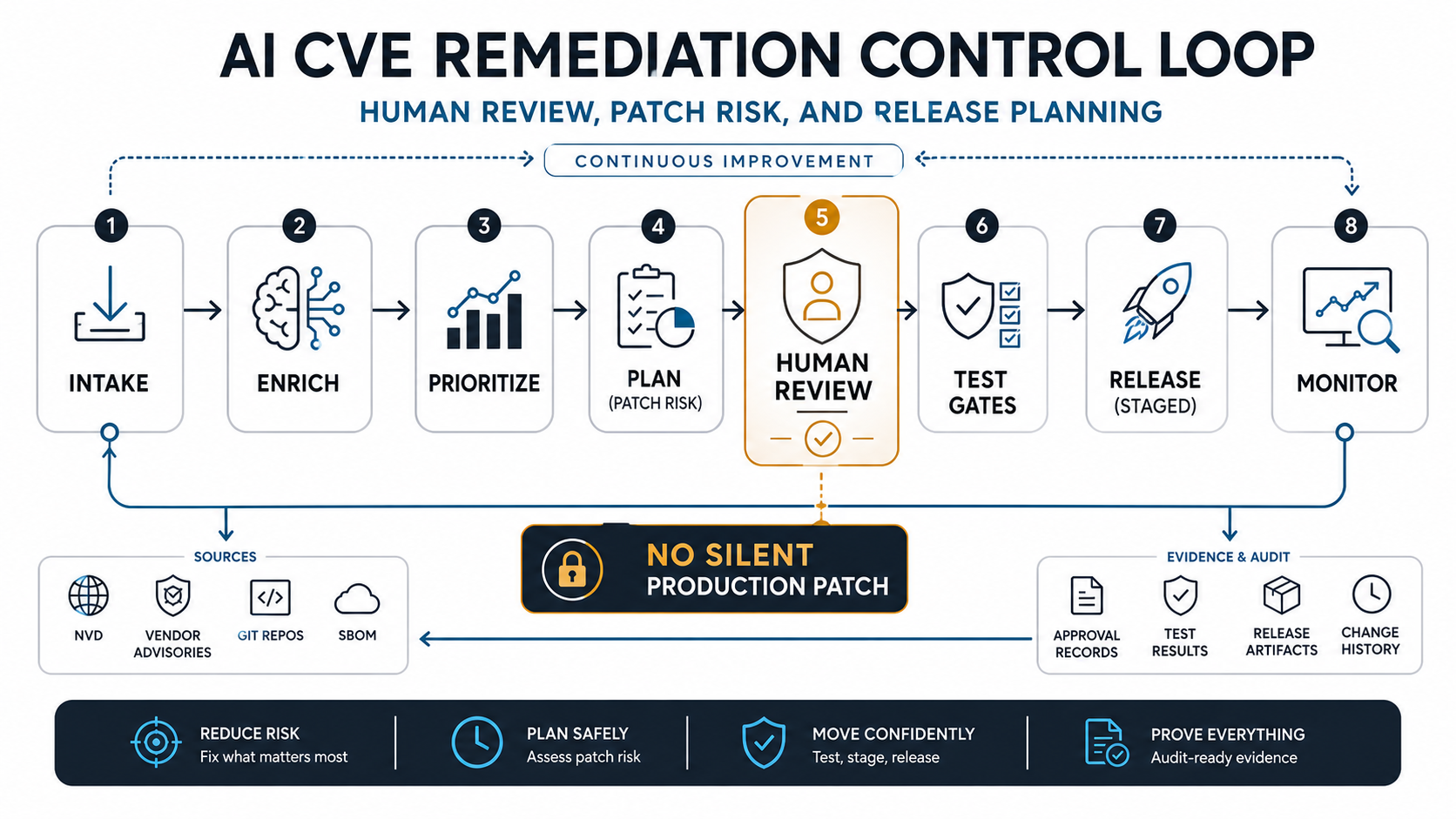
A practical AI CVE remediation framework for prioritizing vulnerabilities, preserving human approval, testing patch risk, and shipping fixes safely.
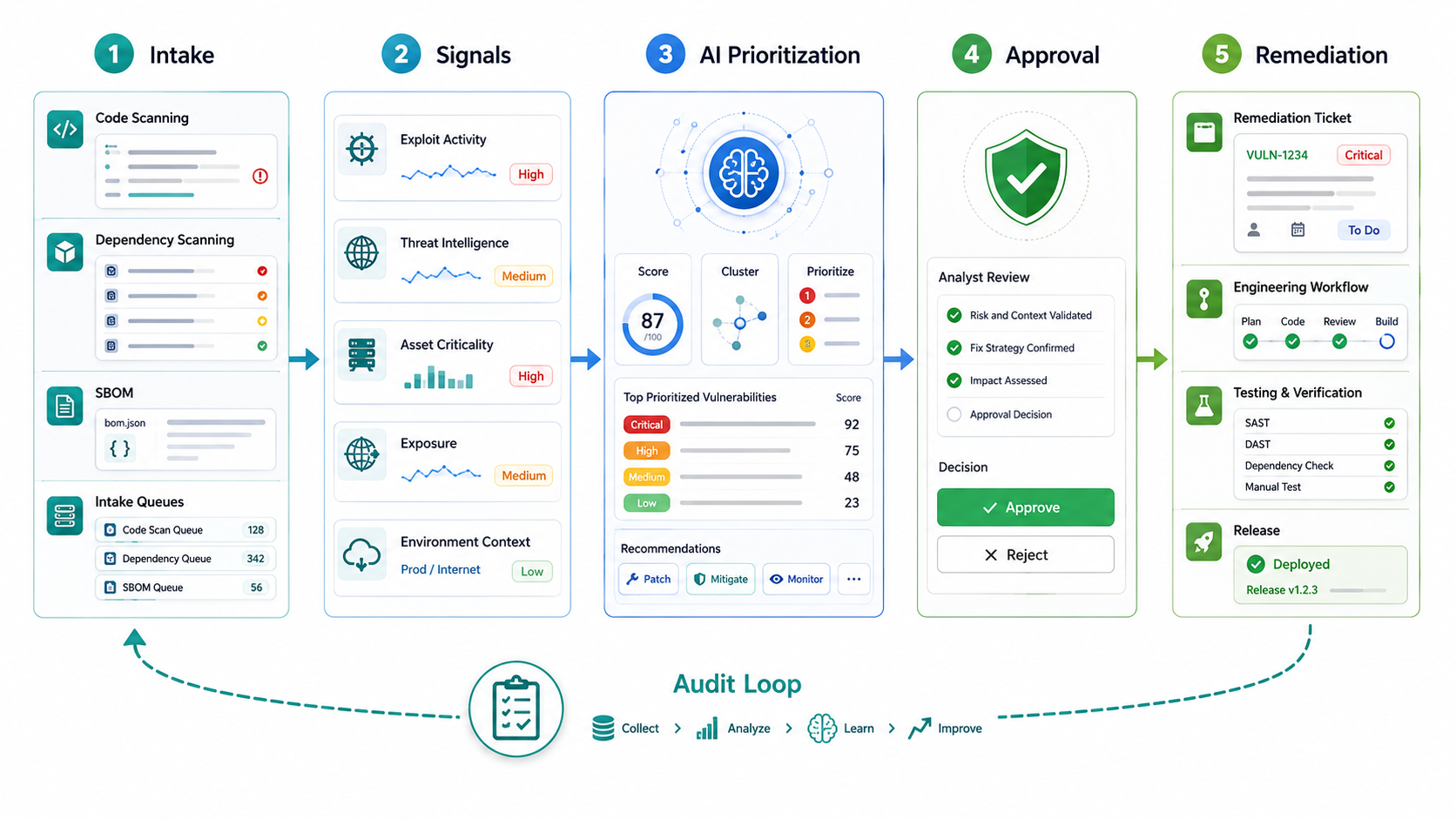
Build an AI vulnerability management workflow that ranks CVEs with CVSS v4, EPSS, KEV, SSVC-style actions, asset context, human review, DevSecOps gates, and audit evidence.
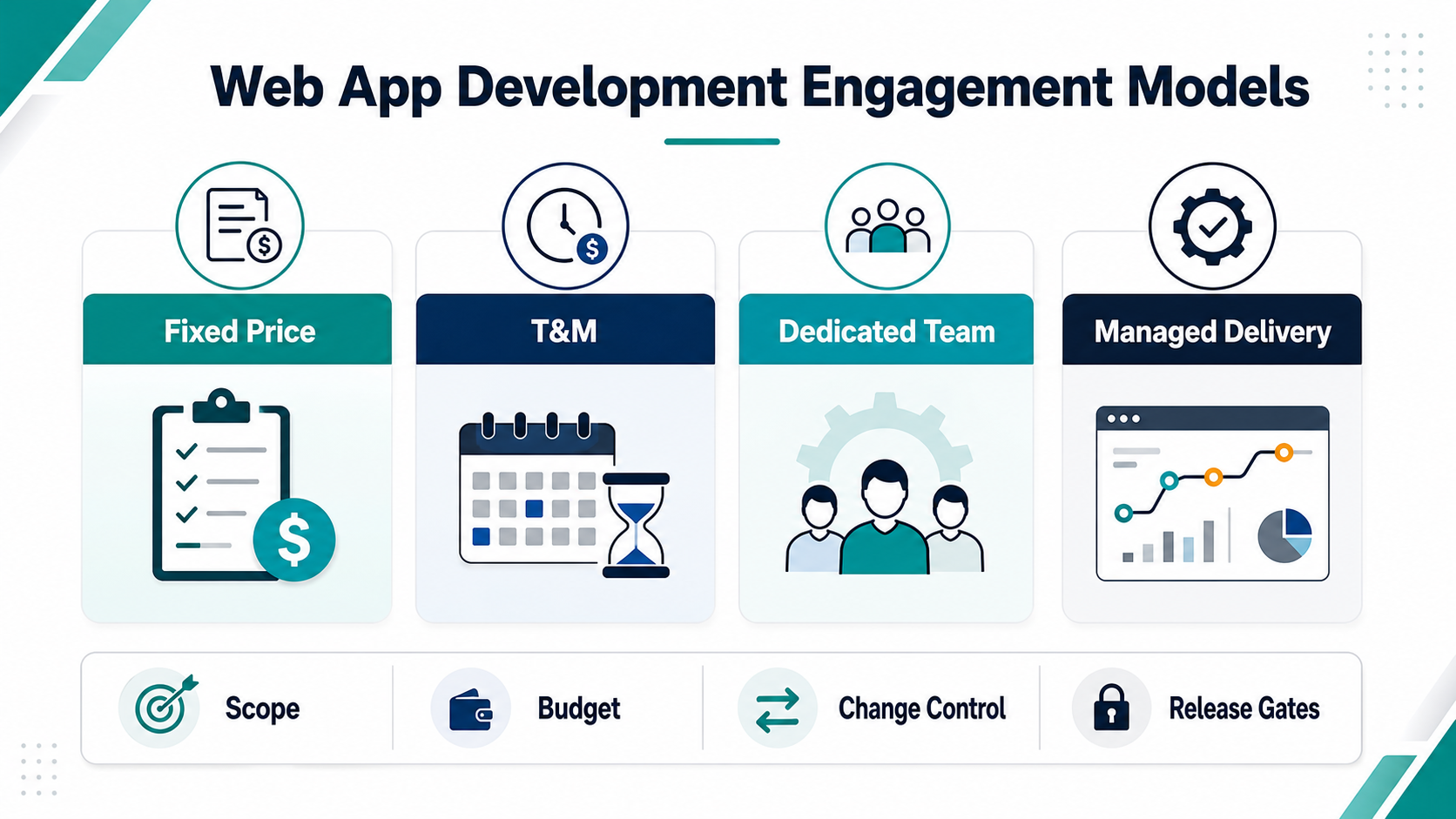
Compare web app development engagement models with scorecards, contract questions, budget controls, and governance checks before choosing fixed price, T&M, dedicated team, or managed delivery.
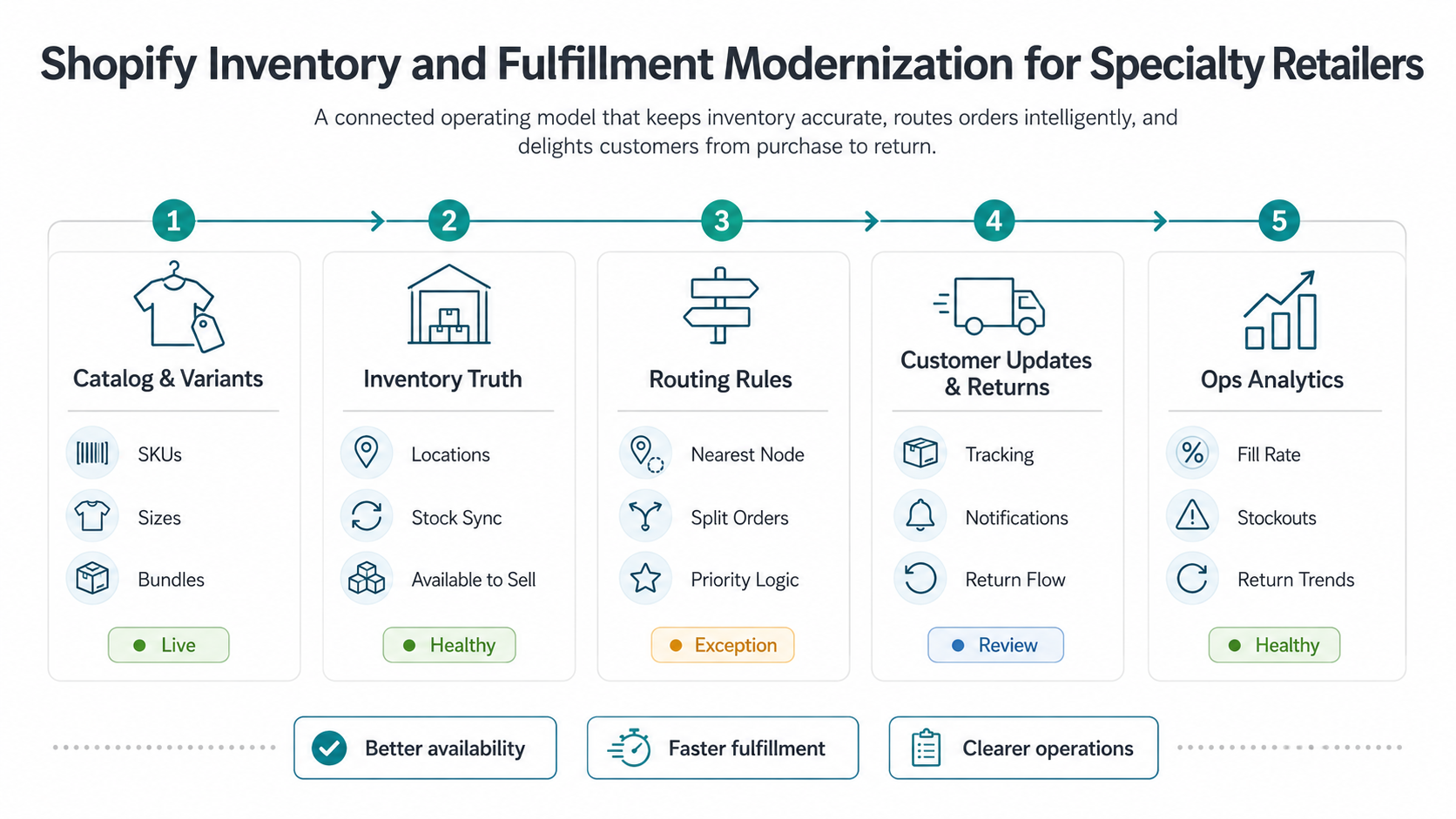
A practical Shopify inventory and fulfillment modernization roadmap for specialty retailers handling multi-location stock, order routing, returns, integrations, and analytics.
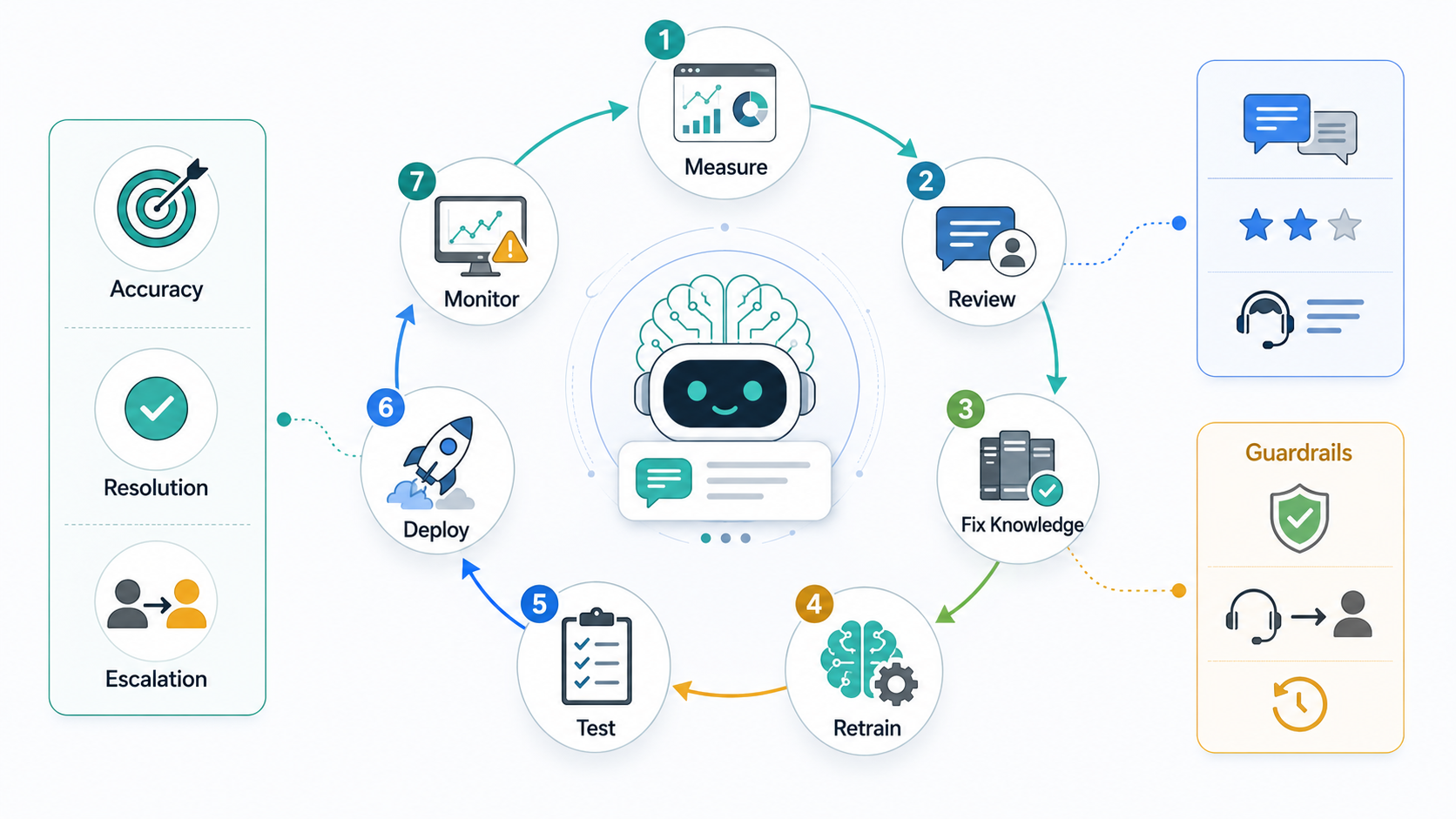
Improve a live AI chatbot with the right metrics, transcript review, knowledge fixes, evaluation sets, retraining rules, guardrails, escalation quality, and ROI reporting.
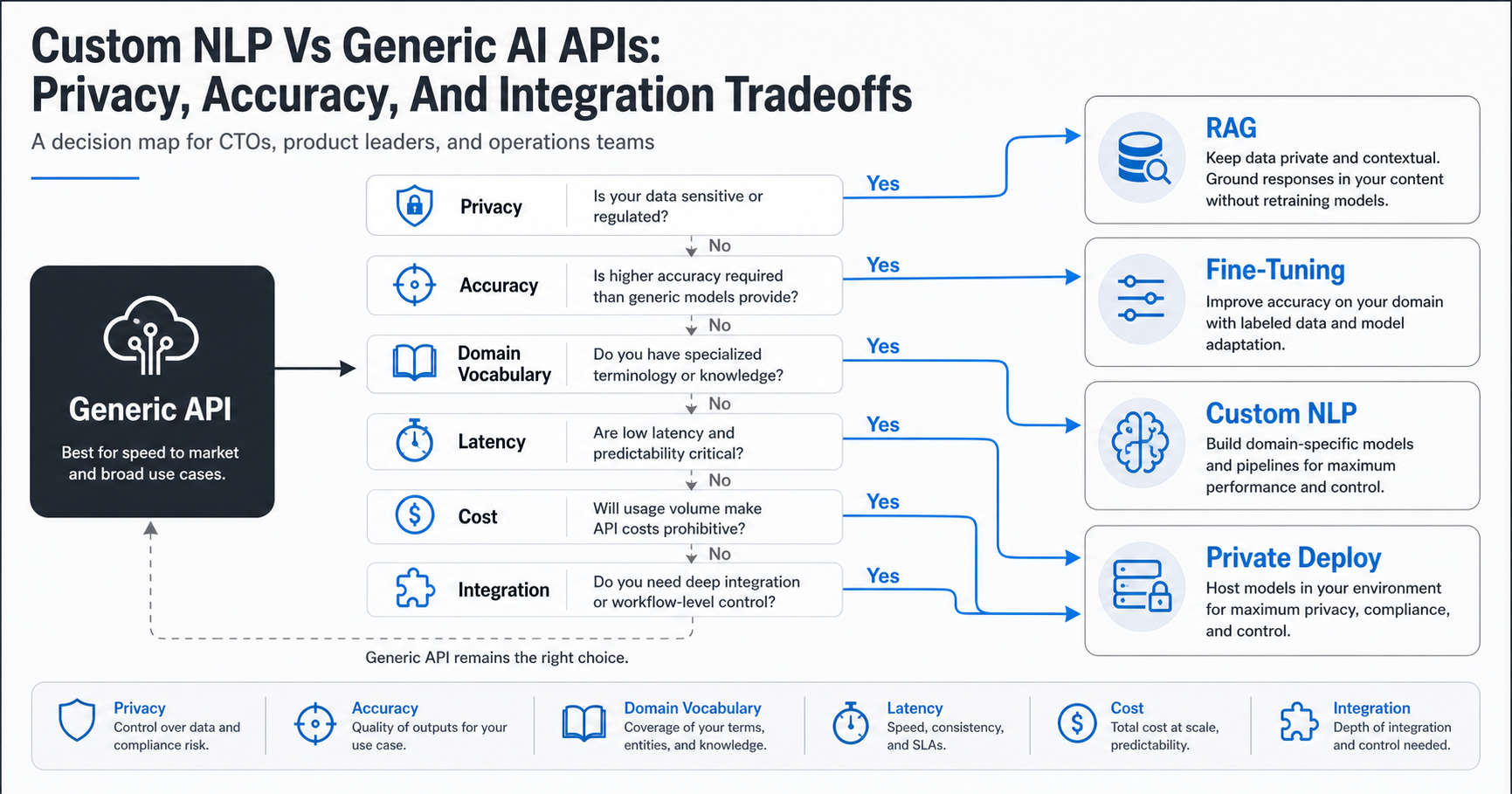
Compare generic AI APIs, RAG, fine-tuning, custom NLP, and private deployment across privacy, accuracy, integration, latency, cost, evaluation, and governance.
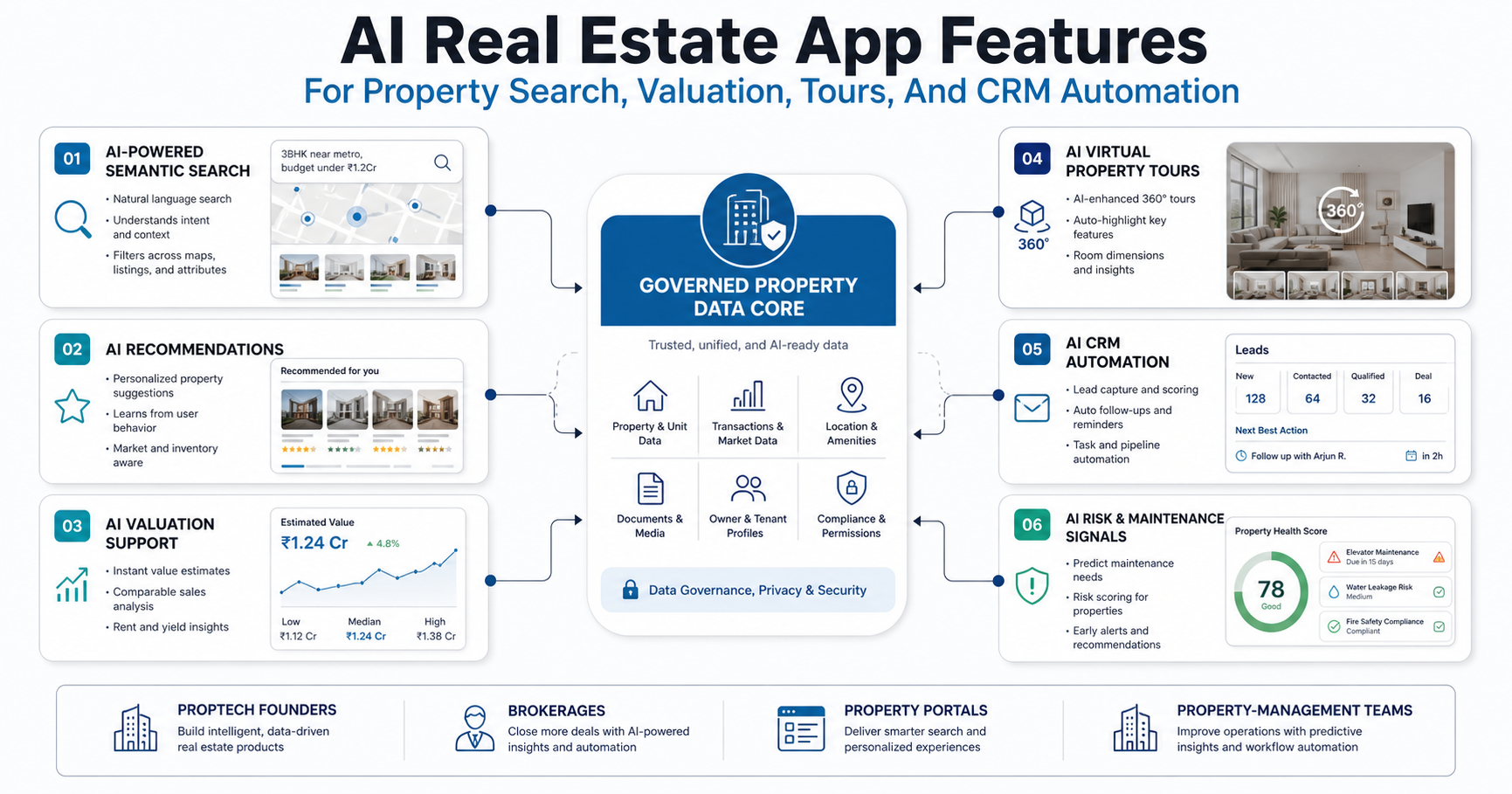
Plan AI real estate app features with a practical 2026 guide to semantic search, valuation support, virtual tours, CRM automation, data architecture, risk controls, and MVP phasing.
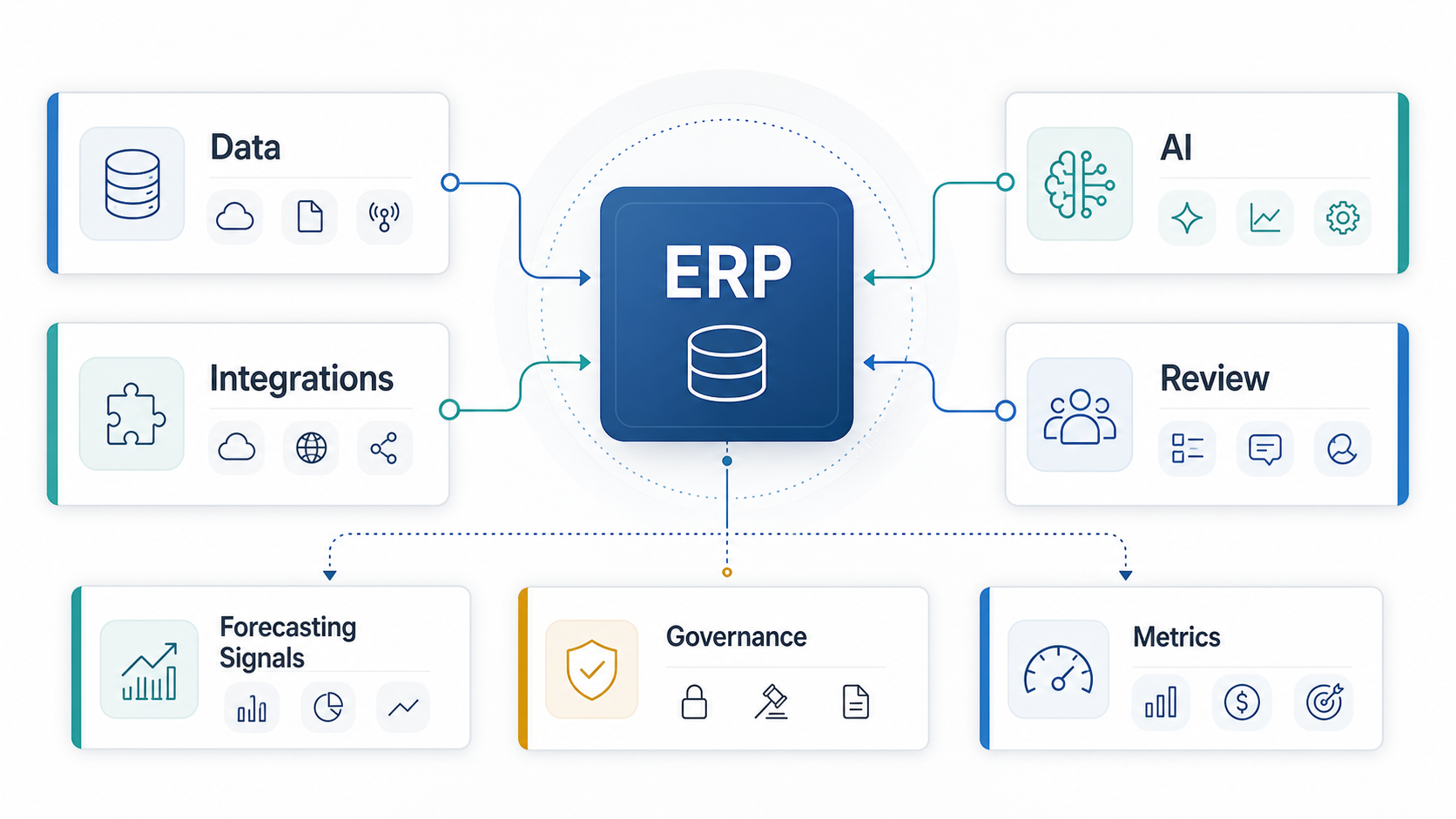
Plan AI in ERP implementation with governed workflows, data readiness, integration architecture, forecasting, human review, ROI metrics, and rollout gates.
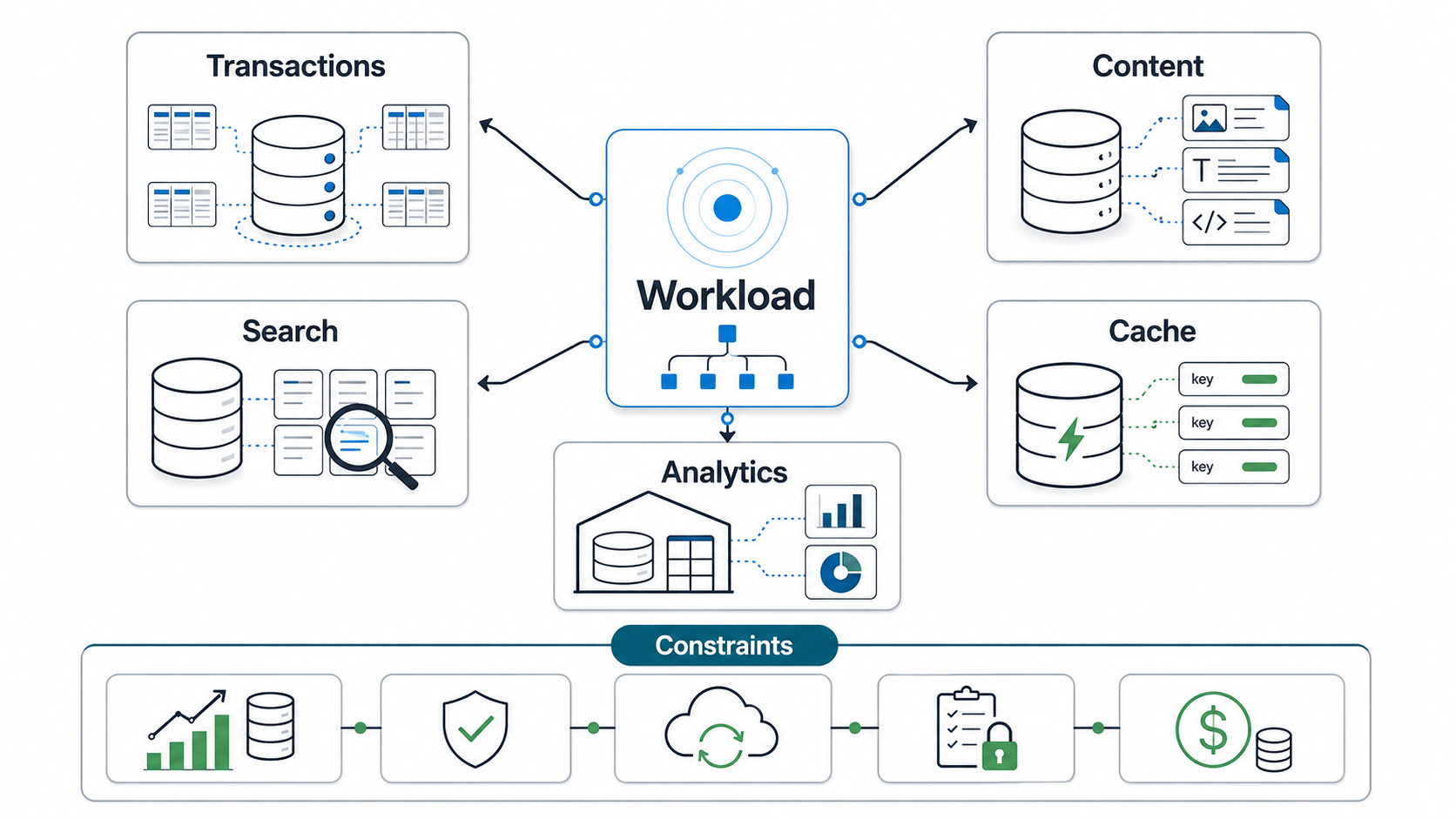
Choose a web application database by comparing workload, transactions, data model, cache, search, analytics, scaling, backup, and migration risk.