Showing 13–24 of 62 posts
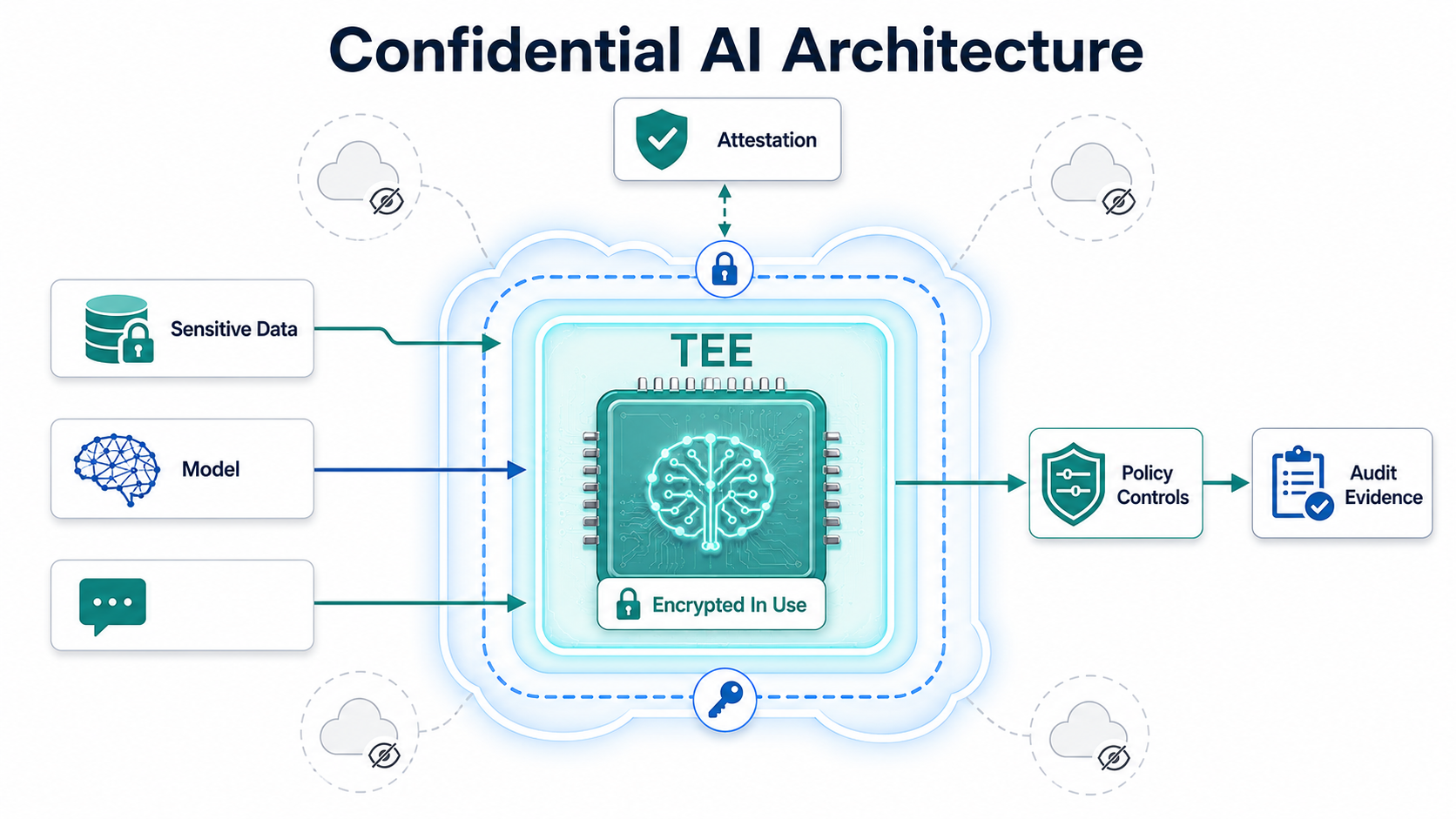
Use this confidential computing for AI applications checklist to evaluate data-in-use risk, TEEs, attestation, cloud architecture, platform fit, tradeoffs, and private AI rollout.
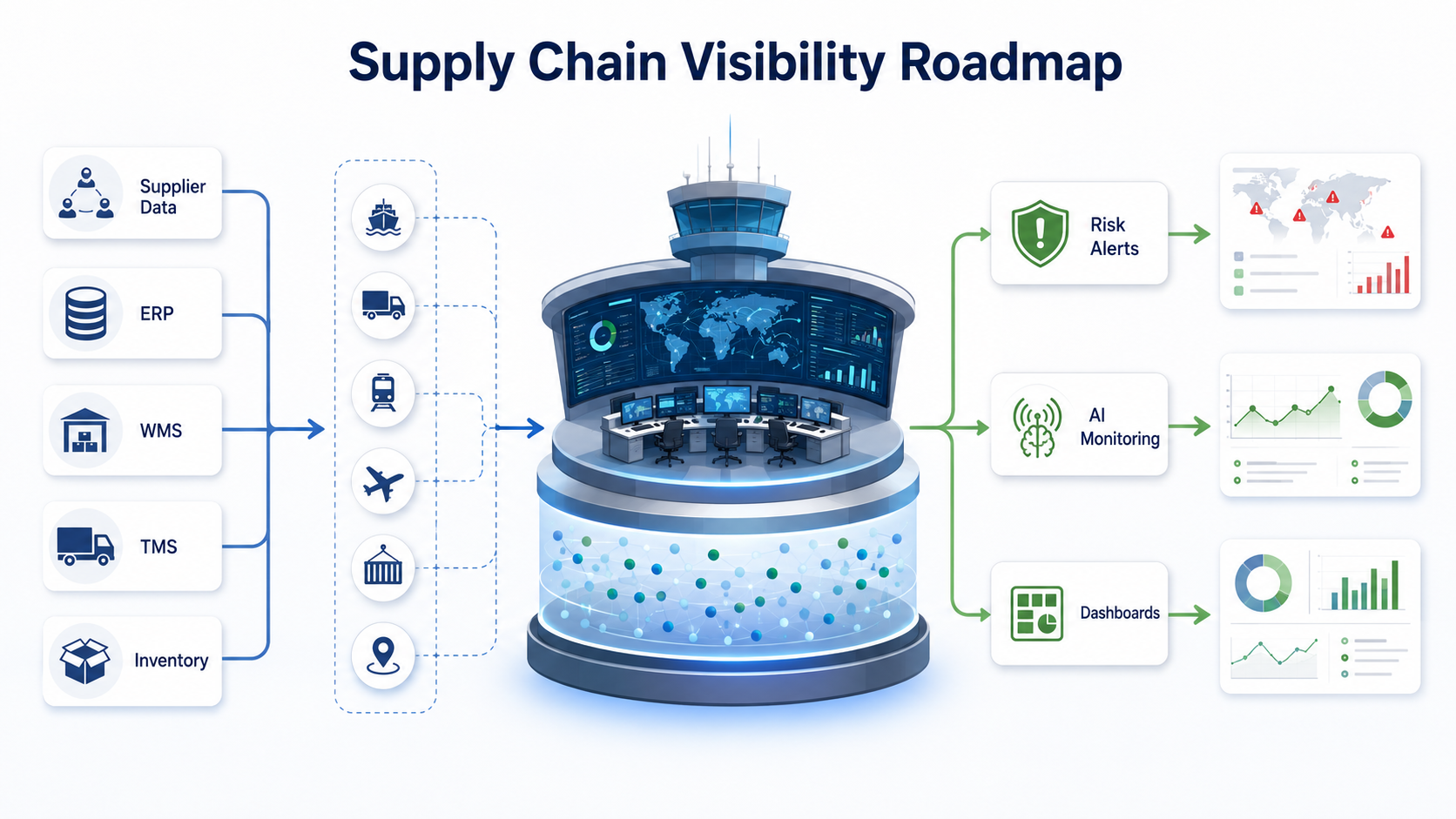
Plan supply chain visibility software with supplier data, ERP/WMS/TMS integrations, exception workflows, AI monitoring, MVP scorecards, KPIs, and rollout phases.
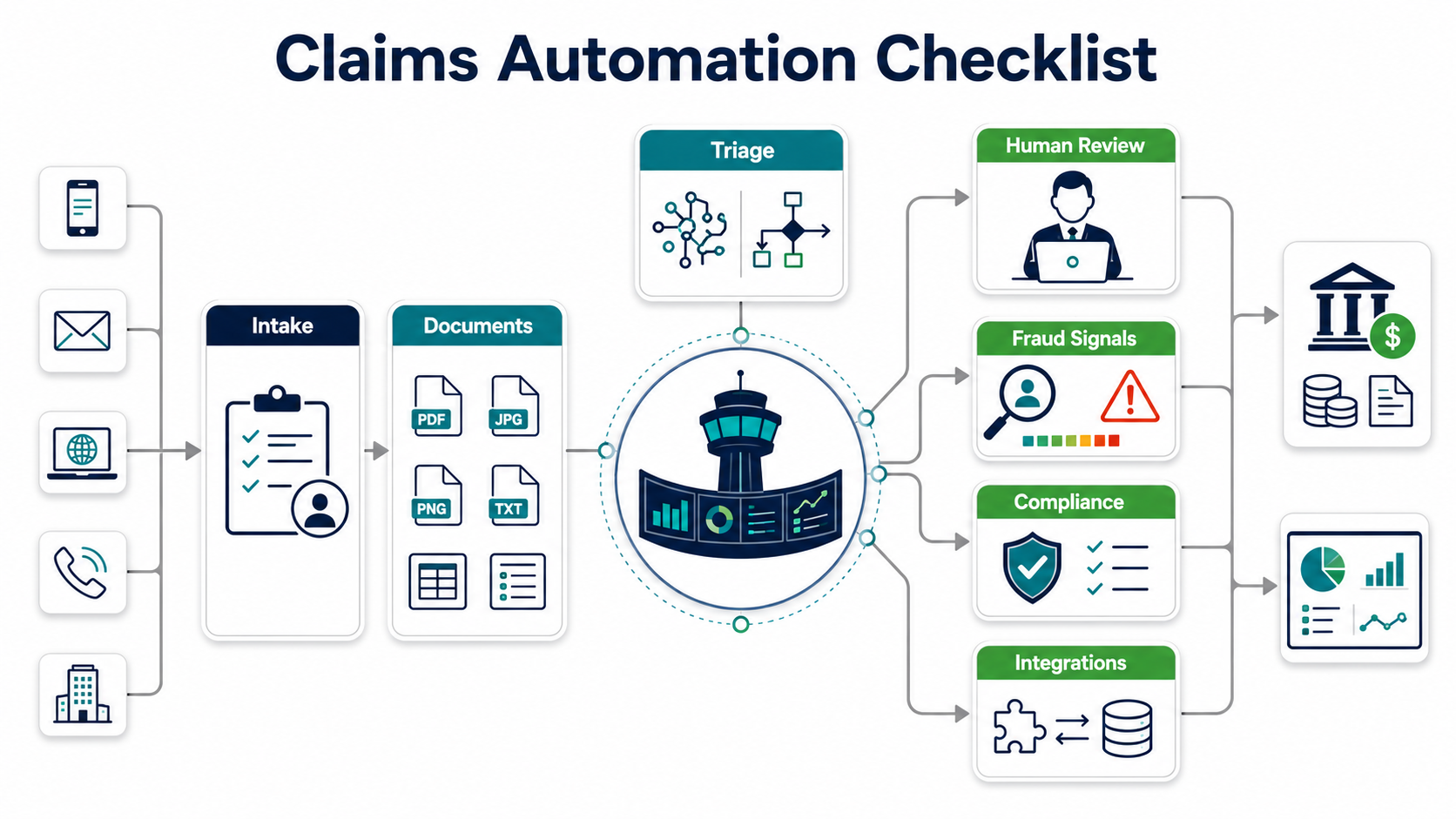
Use this insurance claims automation software checklist to plan intake, document extraction, triage, fraud signals, compliance controls, integrations, KPIs, and rollout phases.
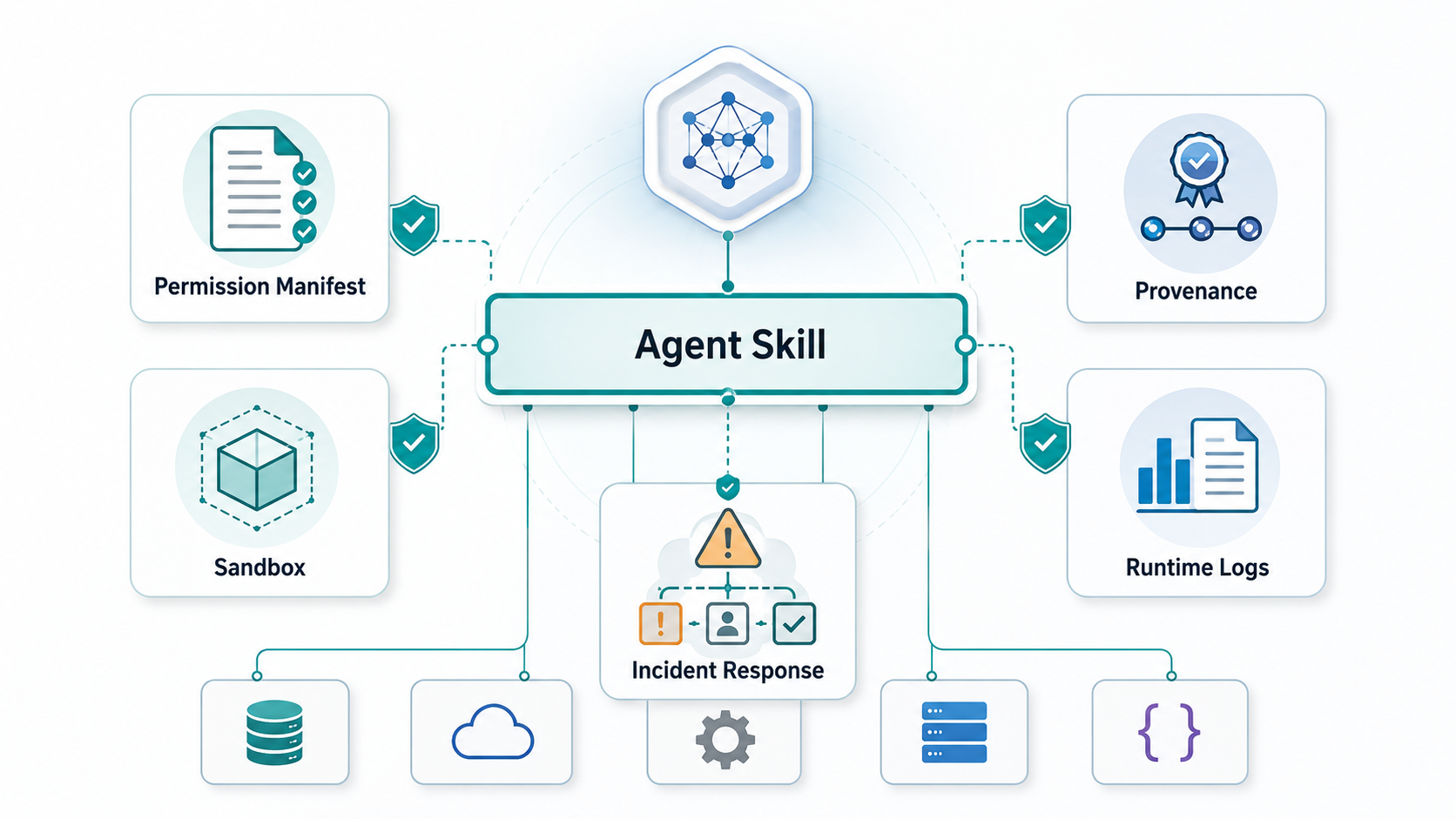
Use this AI agent skill security checklist to review reusable agent skills, permission manifests, sandboxing, provenance, audit logs, semantic scanning, and incident response before production use.
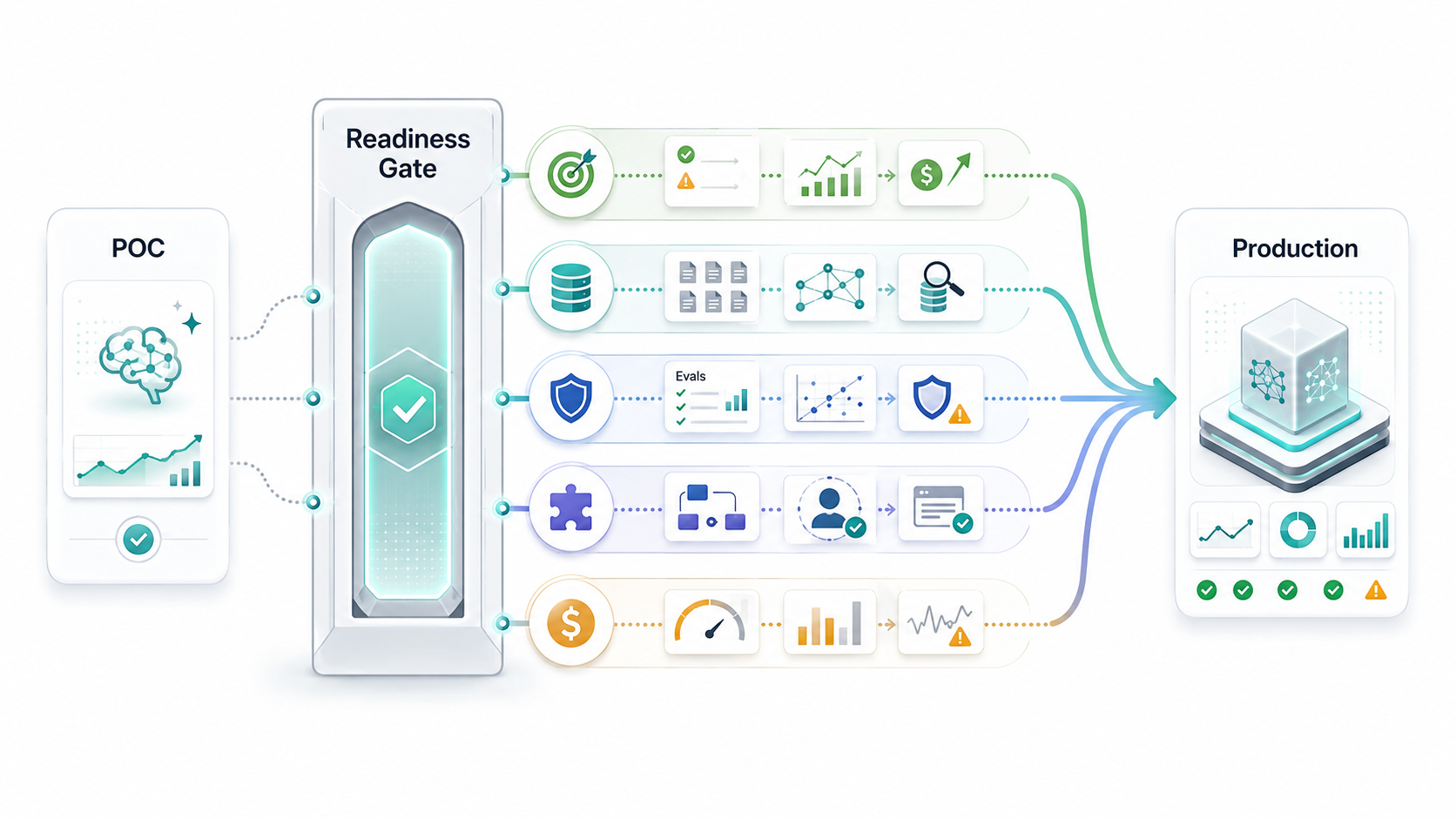
Move a GenAI POC to production with readiness gates for data, evaluation, human review, integrations, cost controls, monitoring, rollout evidence, and rollback triggers.
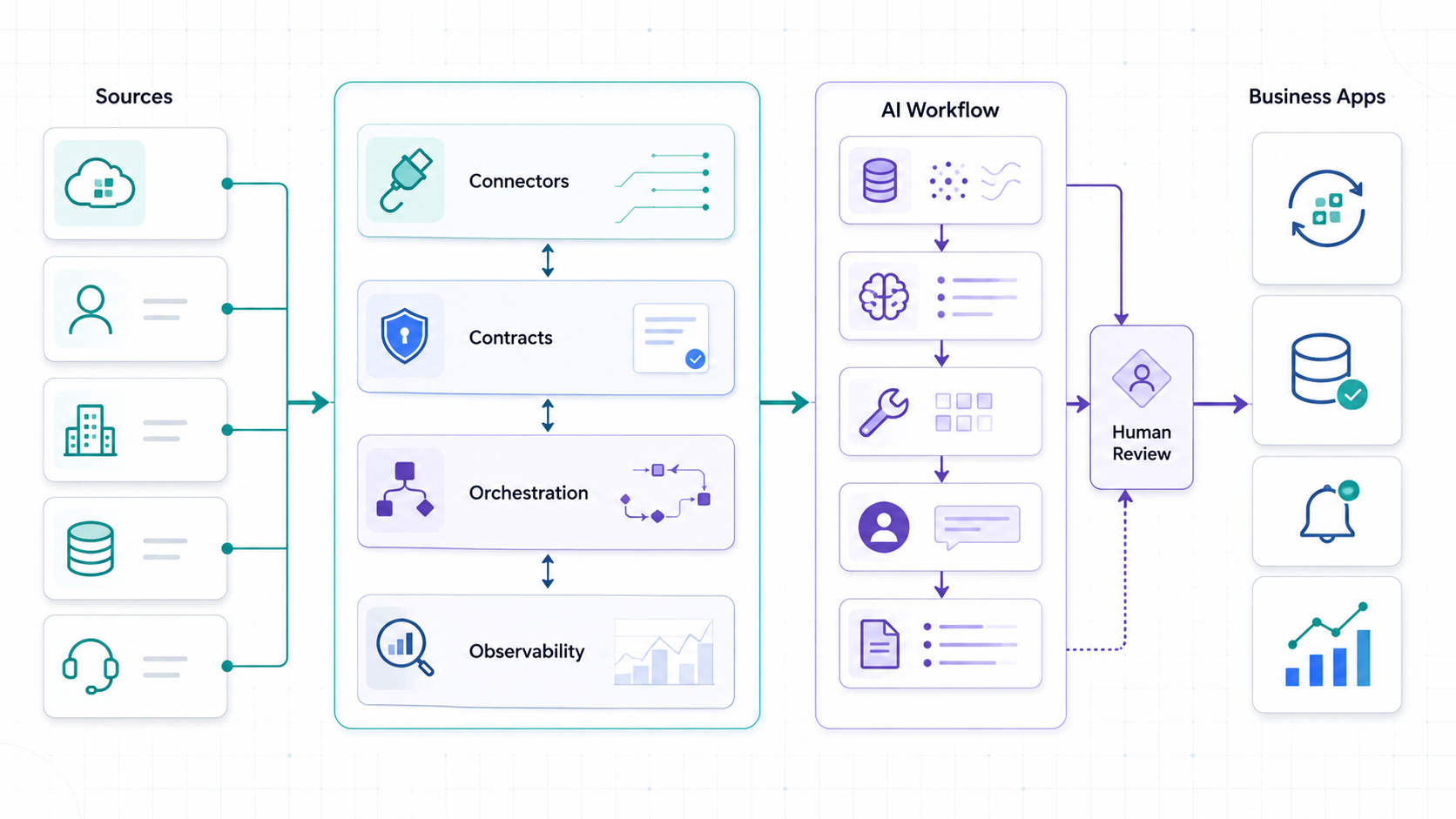
Plan AI integration platform development with connector strategy, data contracts, orchestration, AI workflow controls, observability, and build-vs-buy criteria.
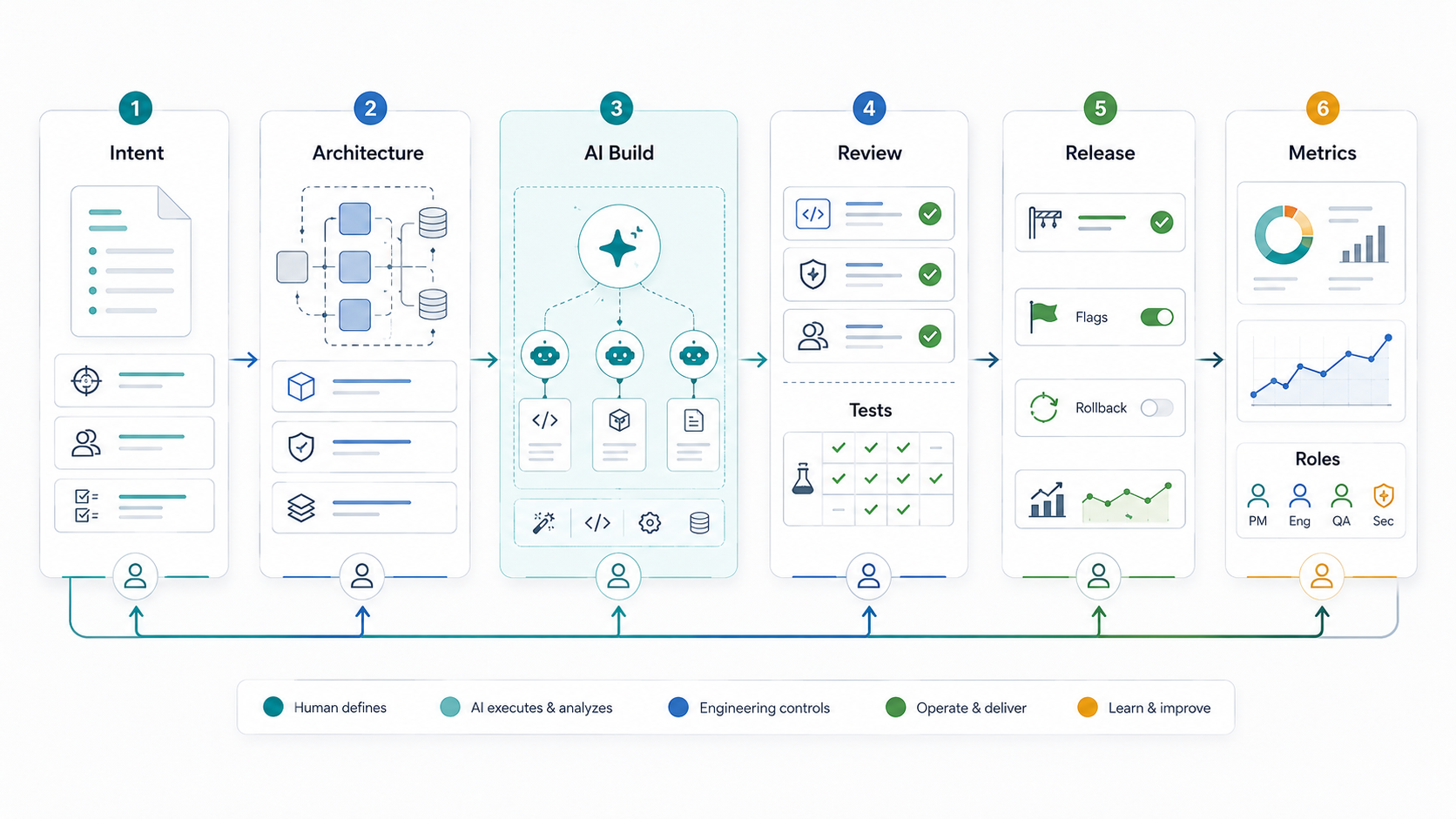
Plan AI-native engineering with product intent, architecture context, AI-assisted coding, review gates, security controls, release evidence, metrics, and governance.
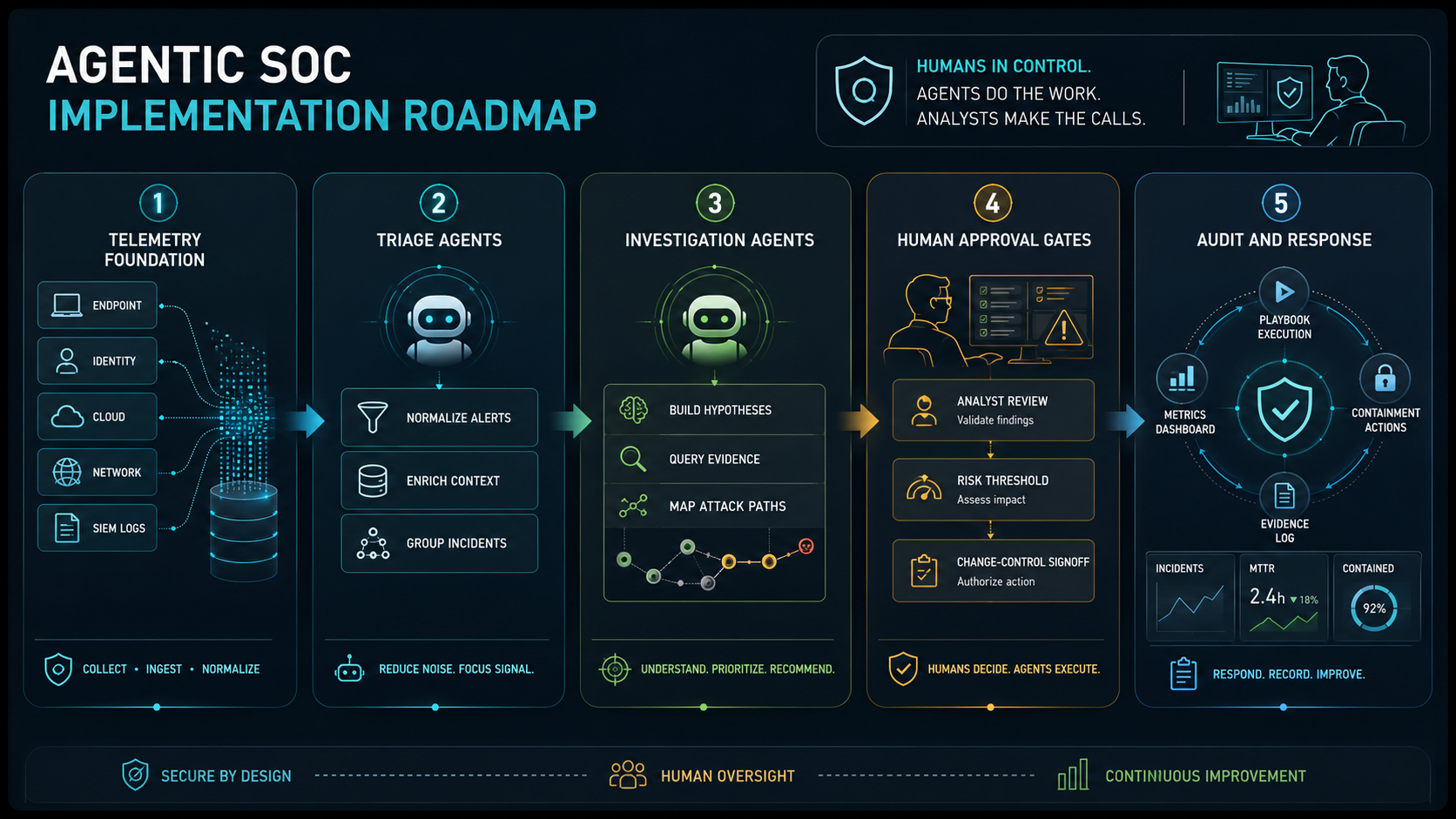
Plan an agentic SOC rollout with telemetry, triage agents, investigation workflows, human approval gates, playbooks, audit logs, and metrics.
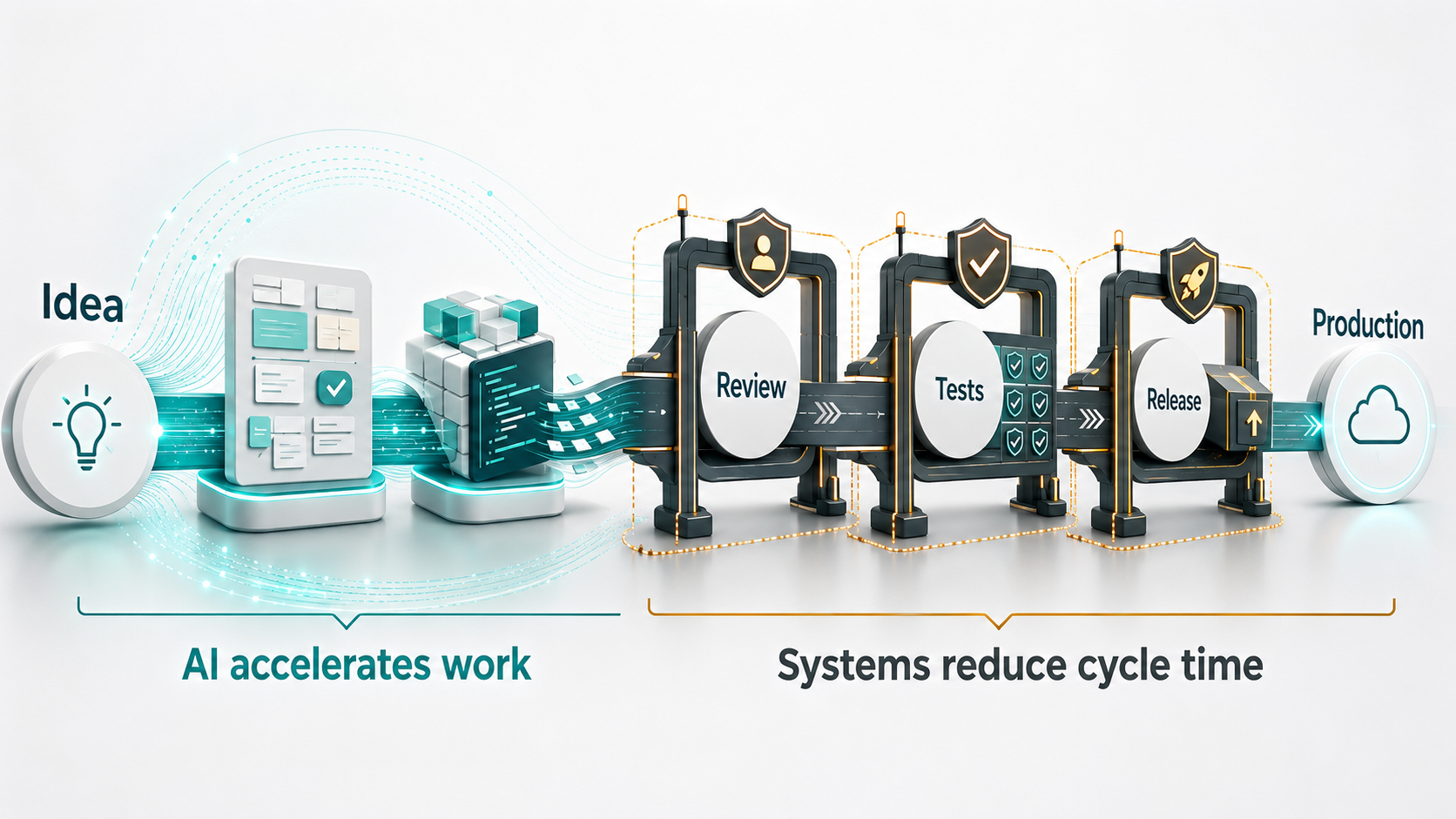
A practical guide to reducing engineering cycle time with AI across requirements, reviews, testing, CI/CD, release operations, and team extension.
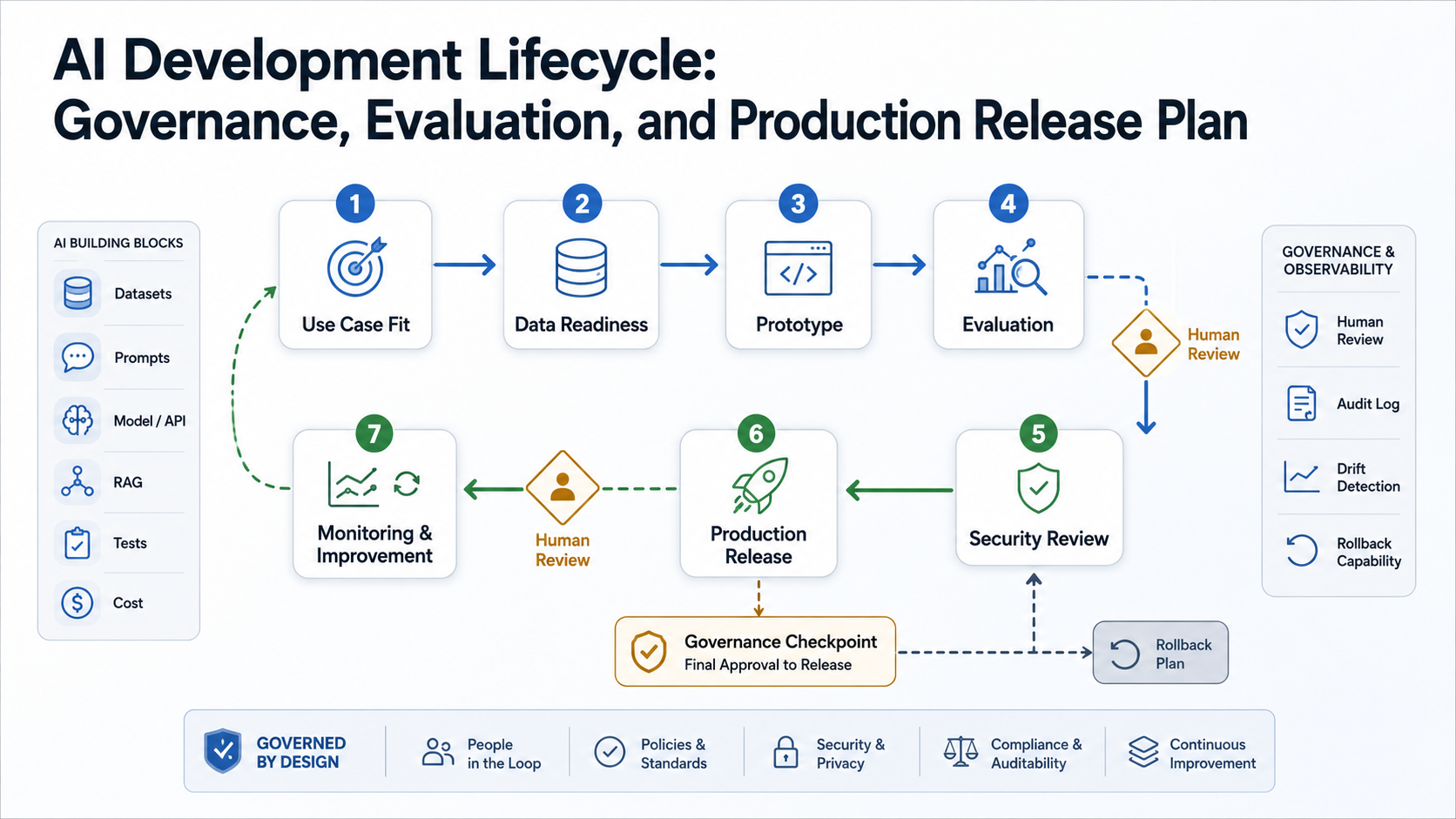
A practical AI development lifecycle for moving AI features from idea to production with data readiness, evaluation gates, governance, monitoring, and release controls.
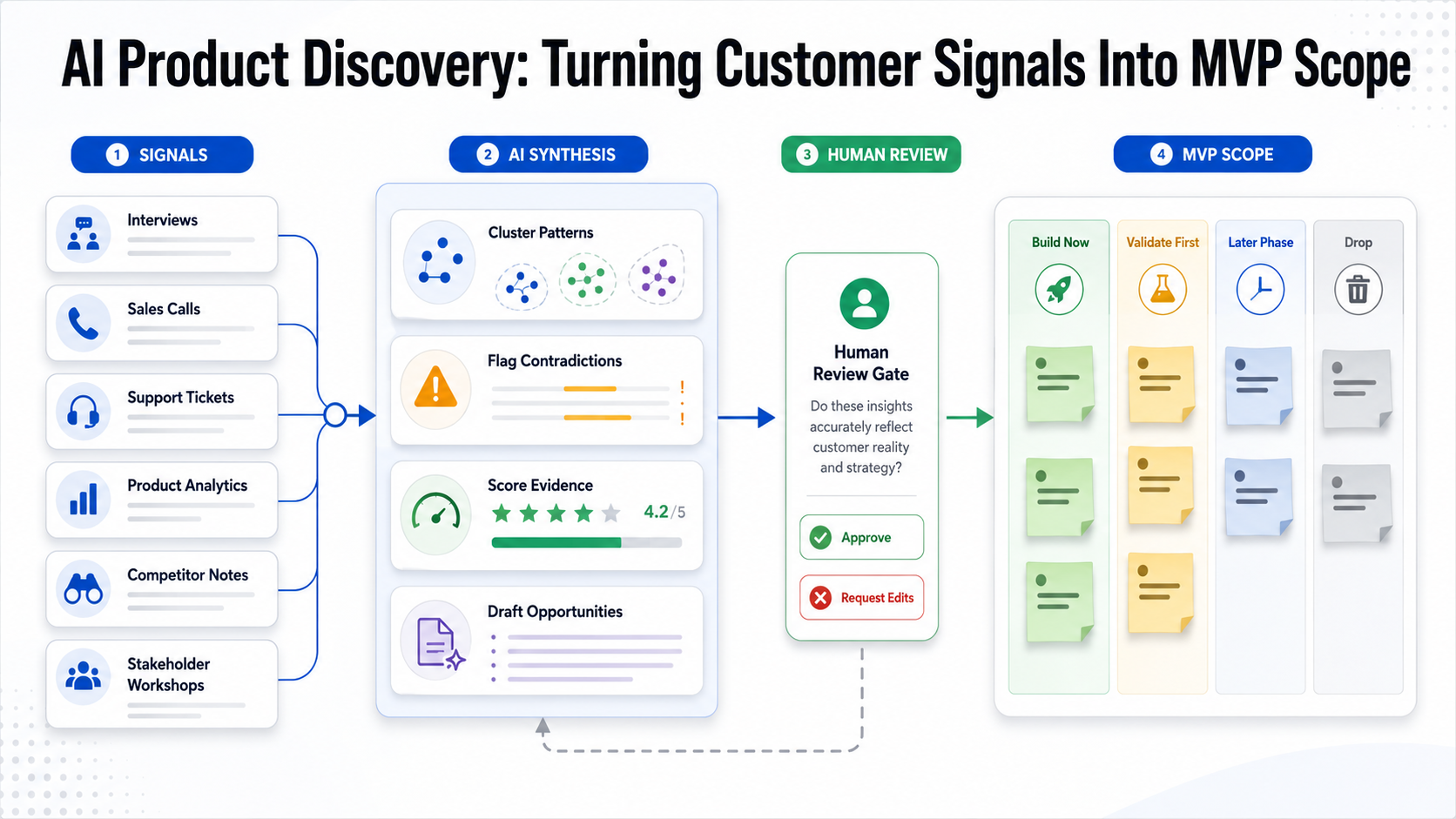
Use AI product discovery to synthesize customer signals, score opportunities, define human review boundaries, and turn evidence into practical MVP scope.
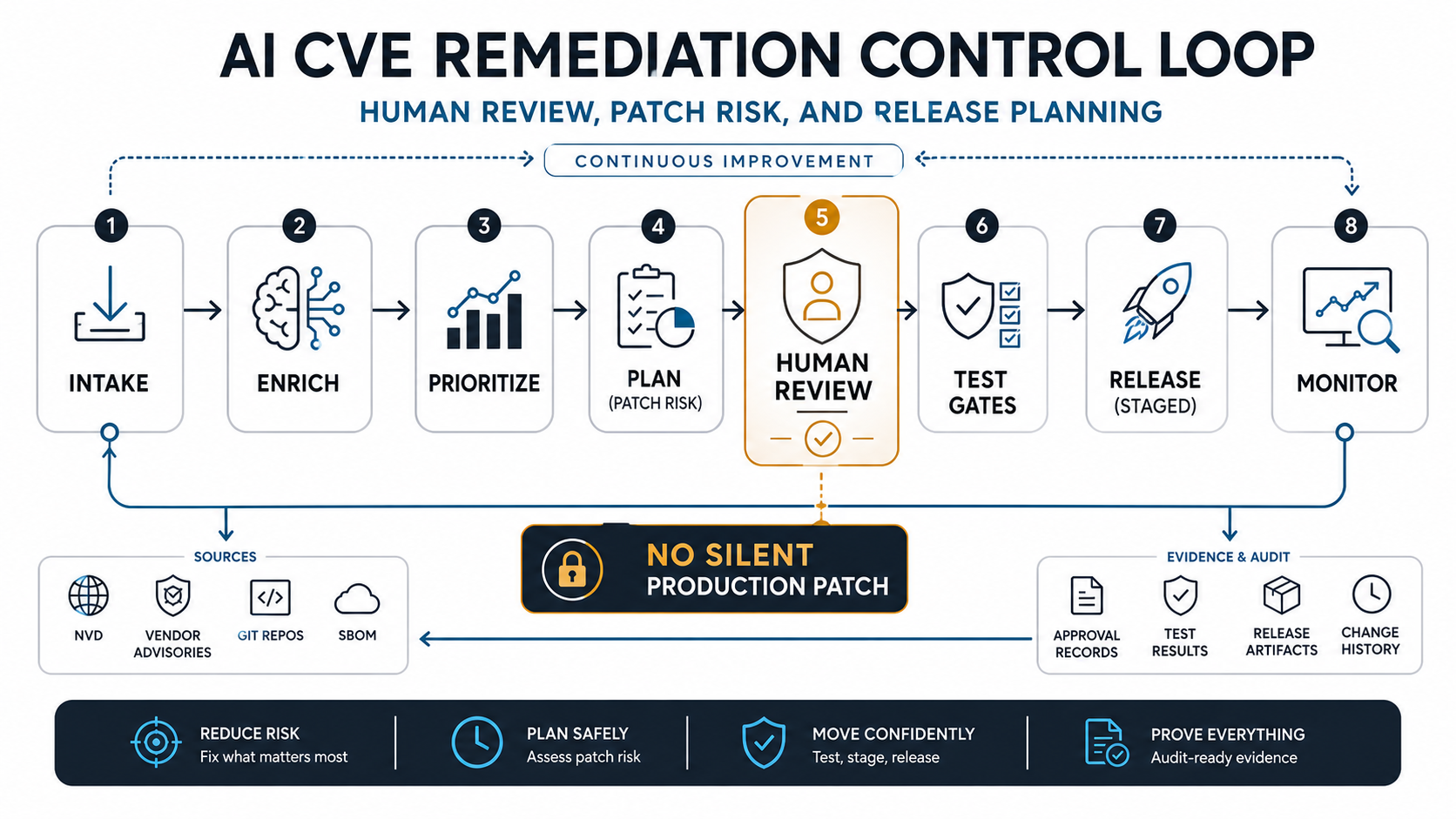
A practical AI CVE remediation framework for prioritizing vulnerabilities, preserving human approval, testing patch risk, and shipping fixes safely.