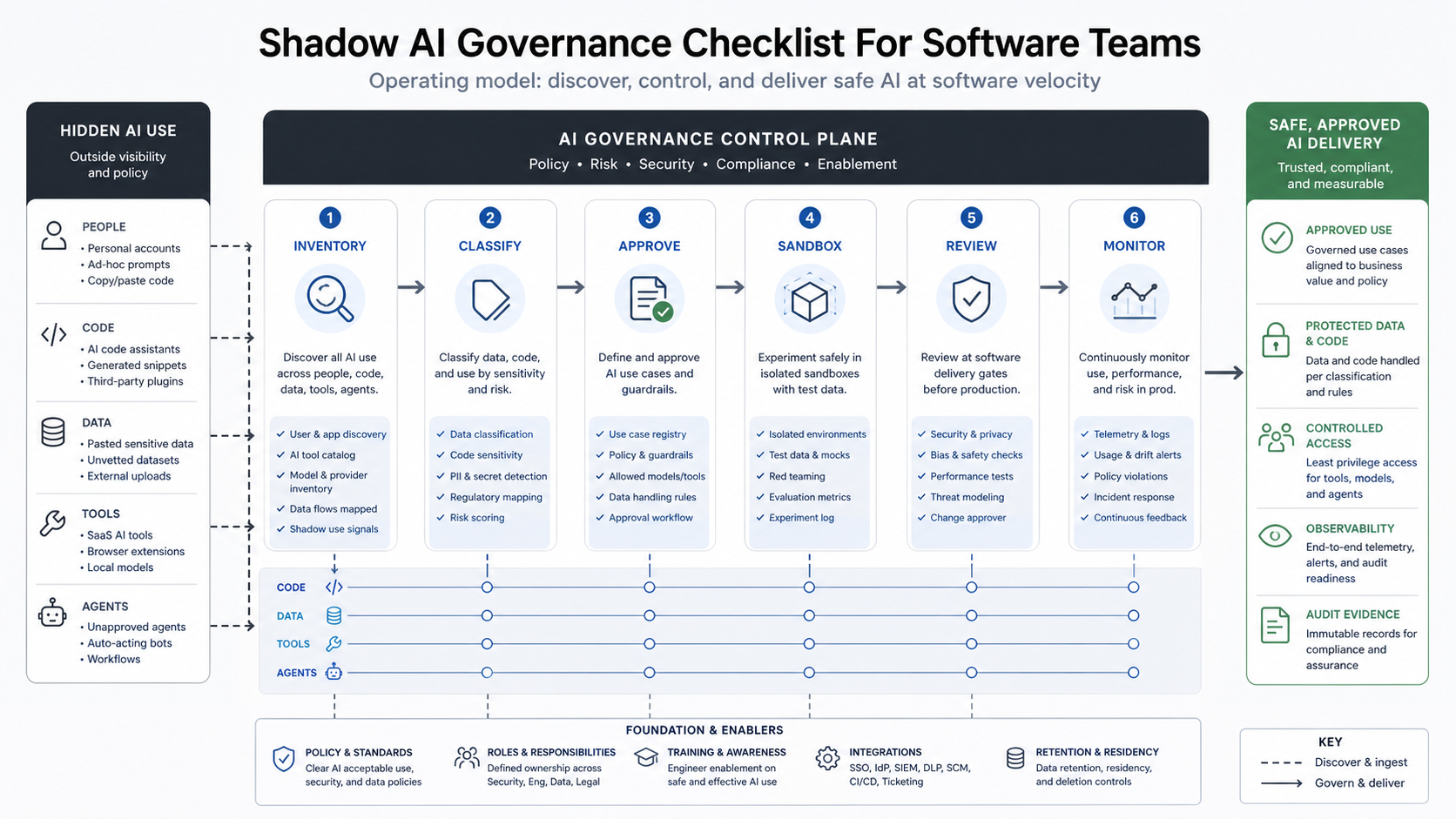
Shadow AI Governance Checklist For Software Teams
Use this shadow AI governance checklist to inventory hidden AI use, classify data and code risk, approve tools, review agents, monitor evidence, and keep software delivery safe.
Published NextPage articles about AI Governance.
Showing 13–24 of 24 posts
Use this shadow AI governance checklist to inventory hidden AI use, classify data and code risk, approve tools, review agents, monitor evidence, and keep software delivery safe.
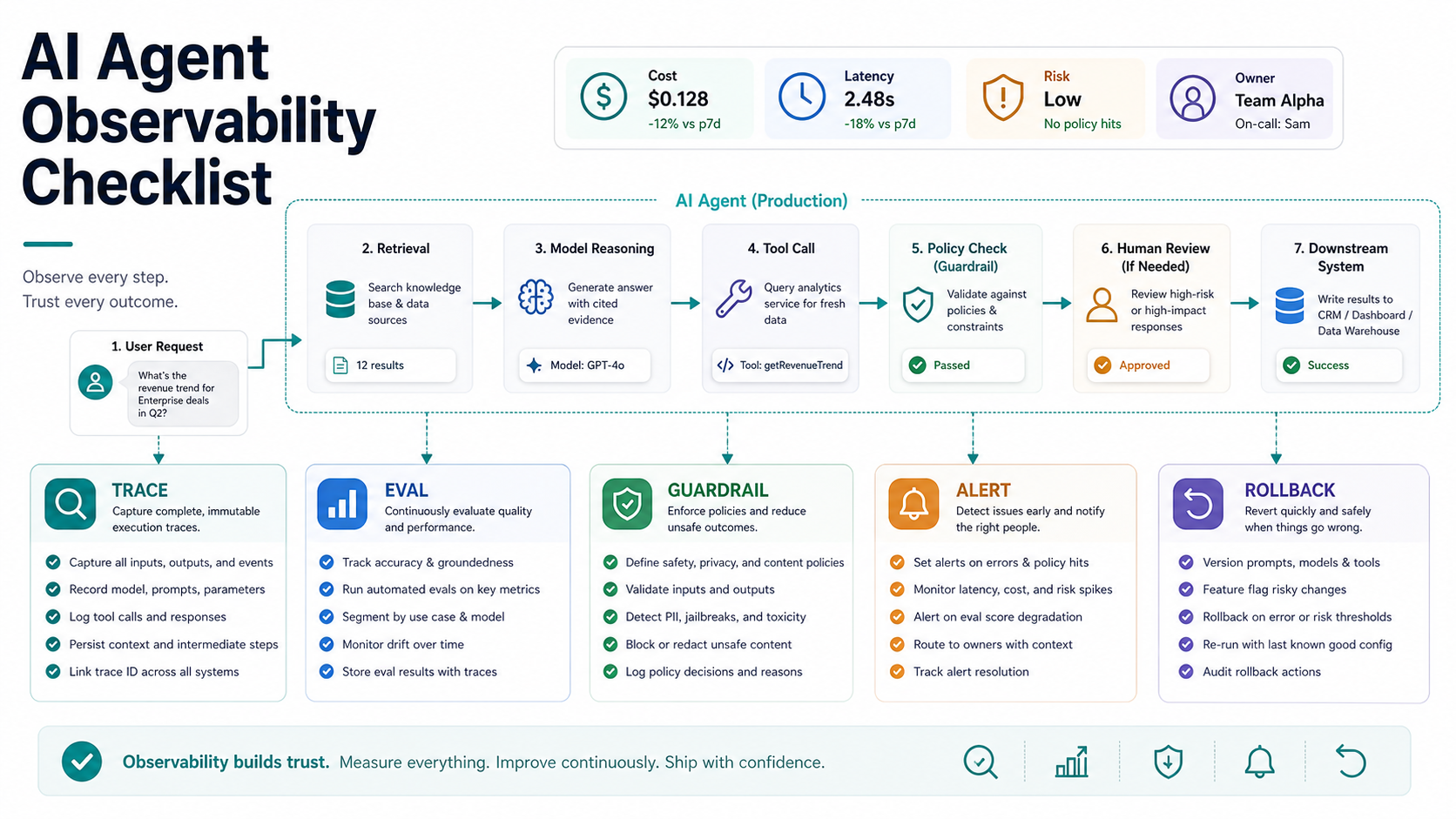
Use this AI agent observability checklist to design traces, eval gates, guardrails, alerts, rollback runbooks, and incident evidence before production rollout.
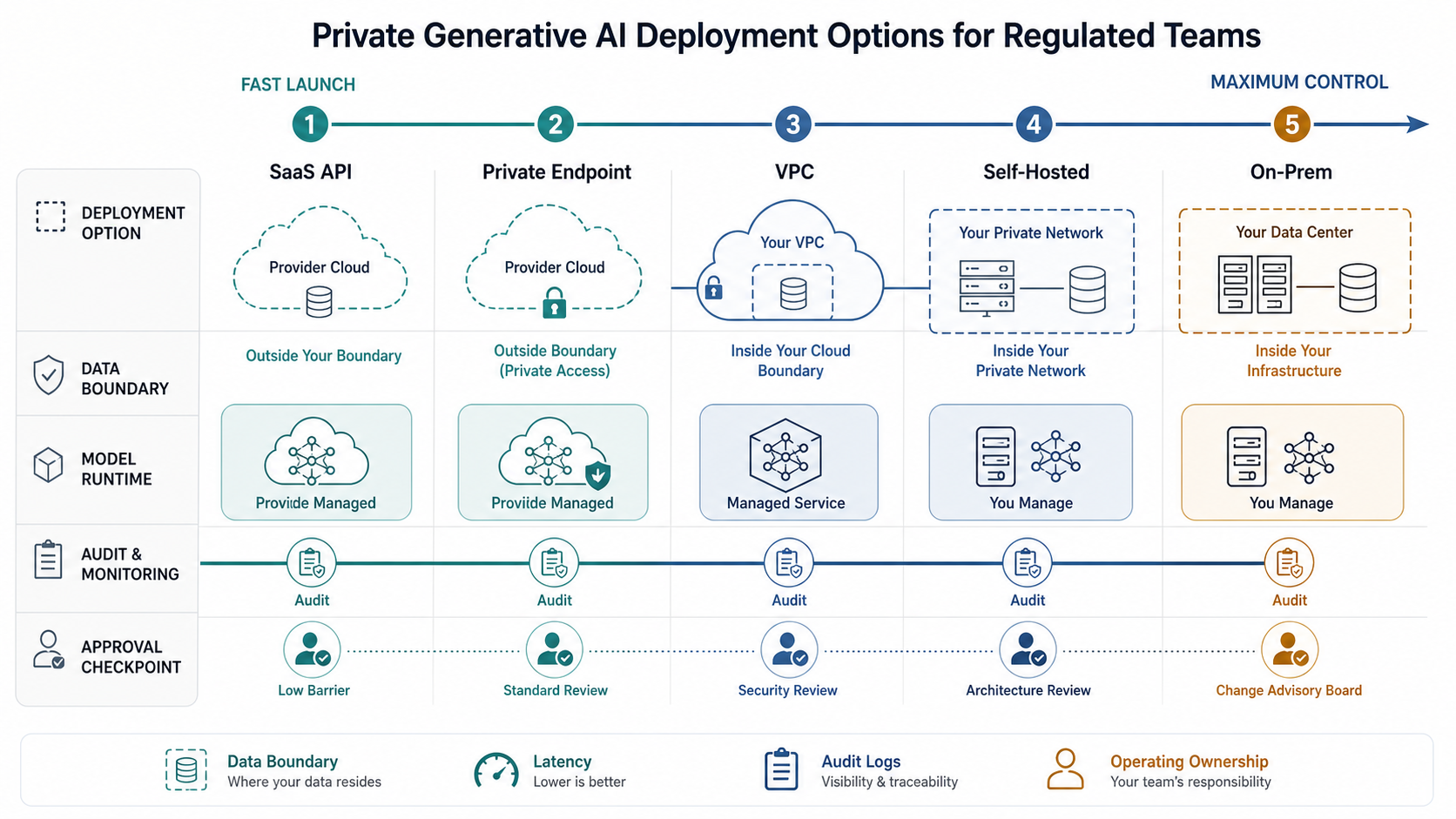
Compare private GenAI deployment options across SaaS APIs, private endpoints, BYOC/VPC, self-hosted models, on-prem AI, model gateways, runbooks, and audit evidence.
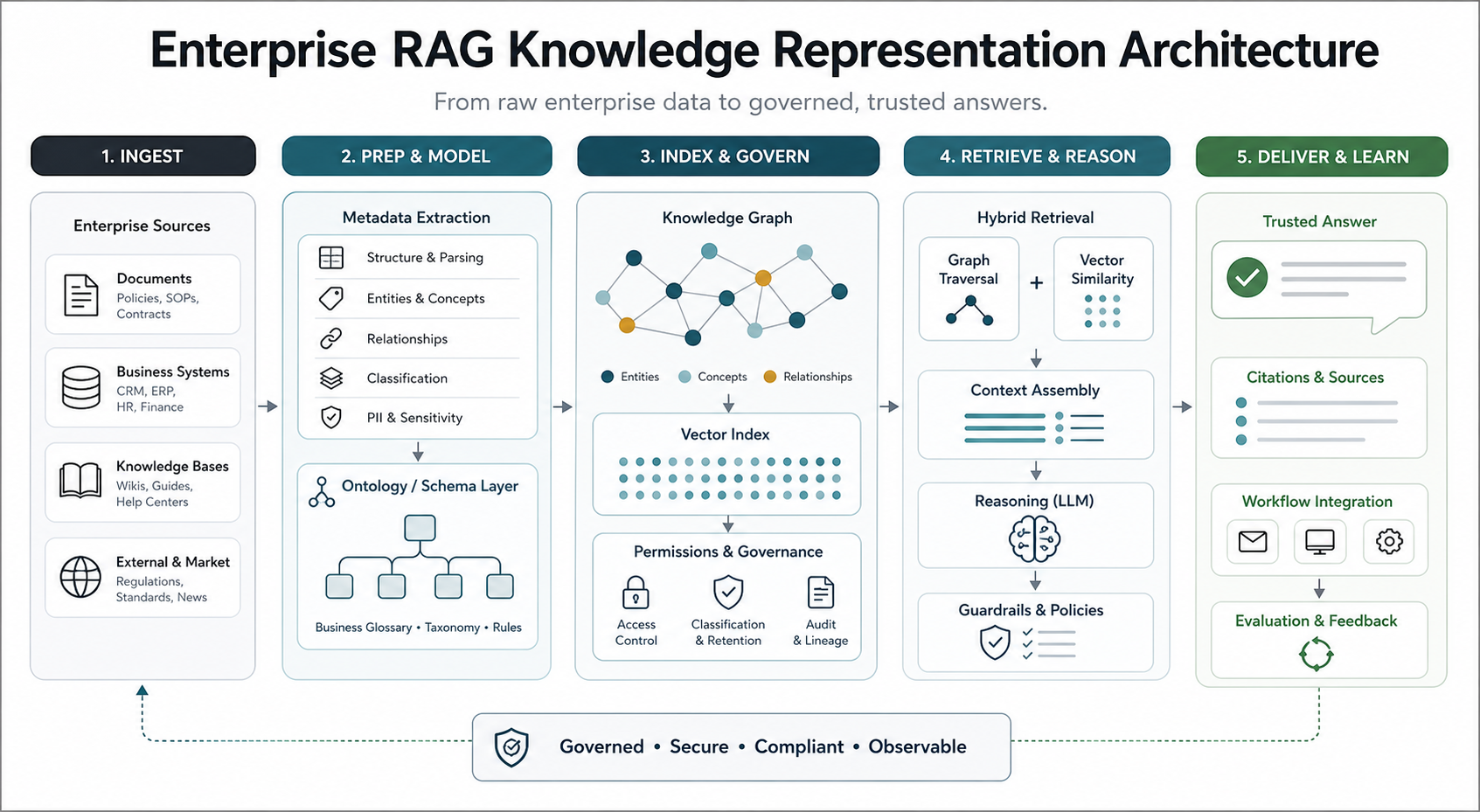
Learn how knowledge representation improves RAG systems with metadata, ontologies, knowledge graphs, permissions, evaluation, and a practical data prep checklist.
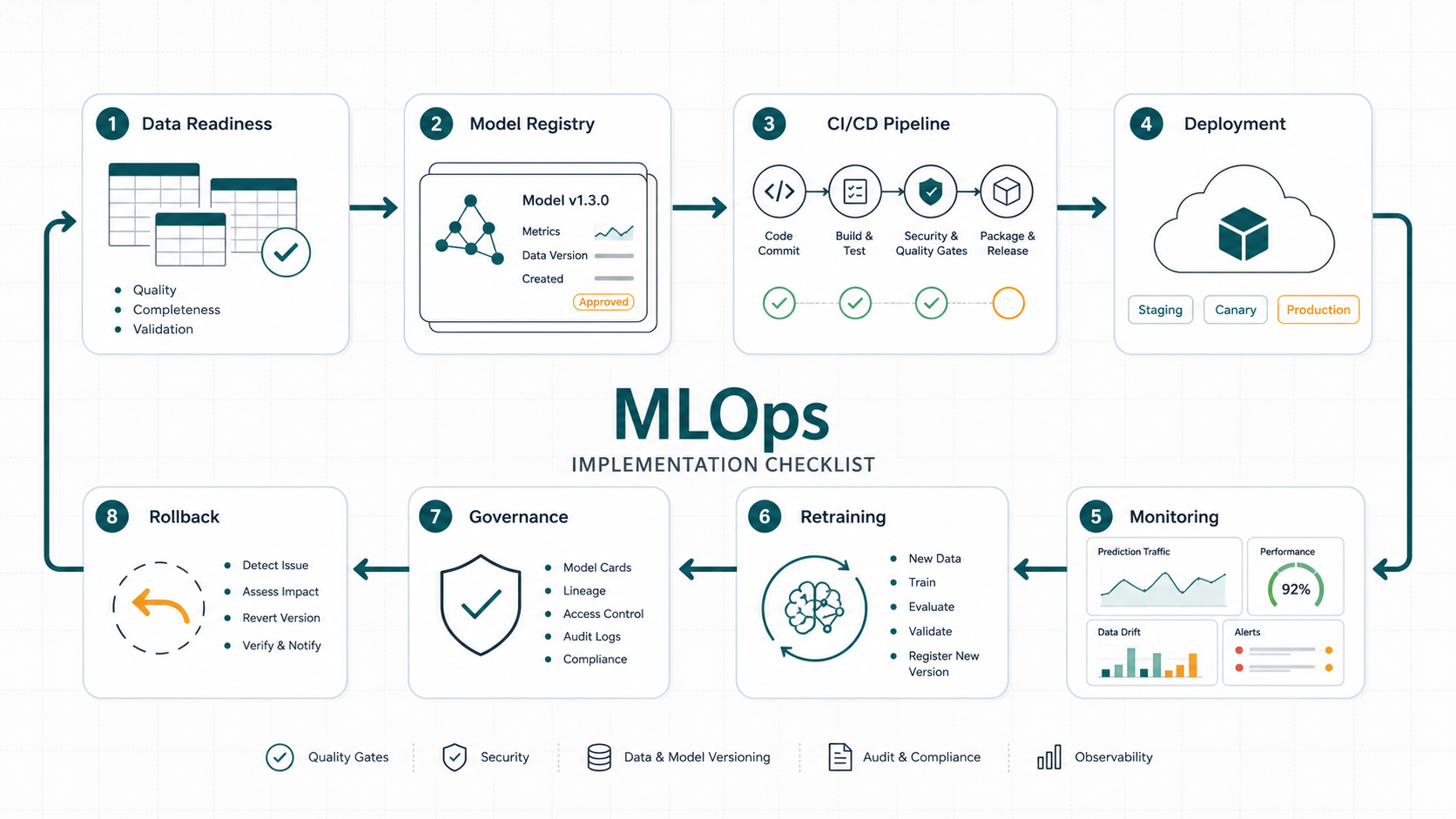
Use this MLOps implementation checklist to move machine learning models from pilots to reliable production systems with monitoring, governance, retraining, and rollback.
Use this healthcare software development company checklist to compare vendors on compliance evidence, EHR/FHIR integration, AI governance, UX, and support.
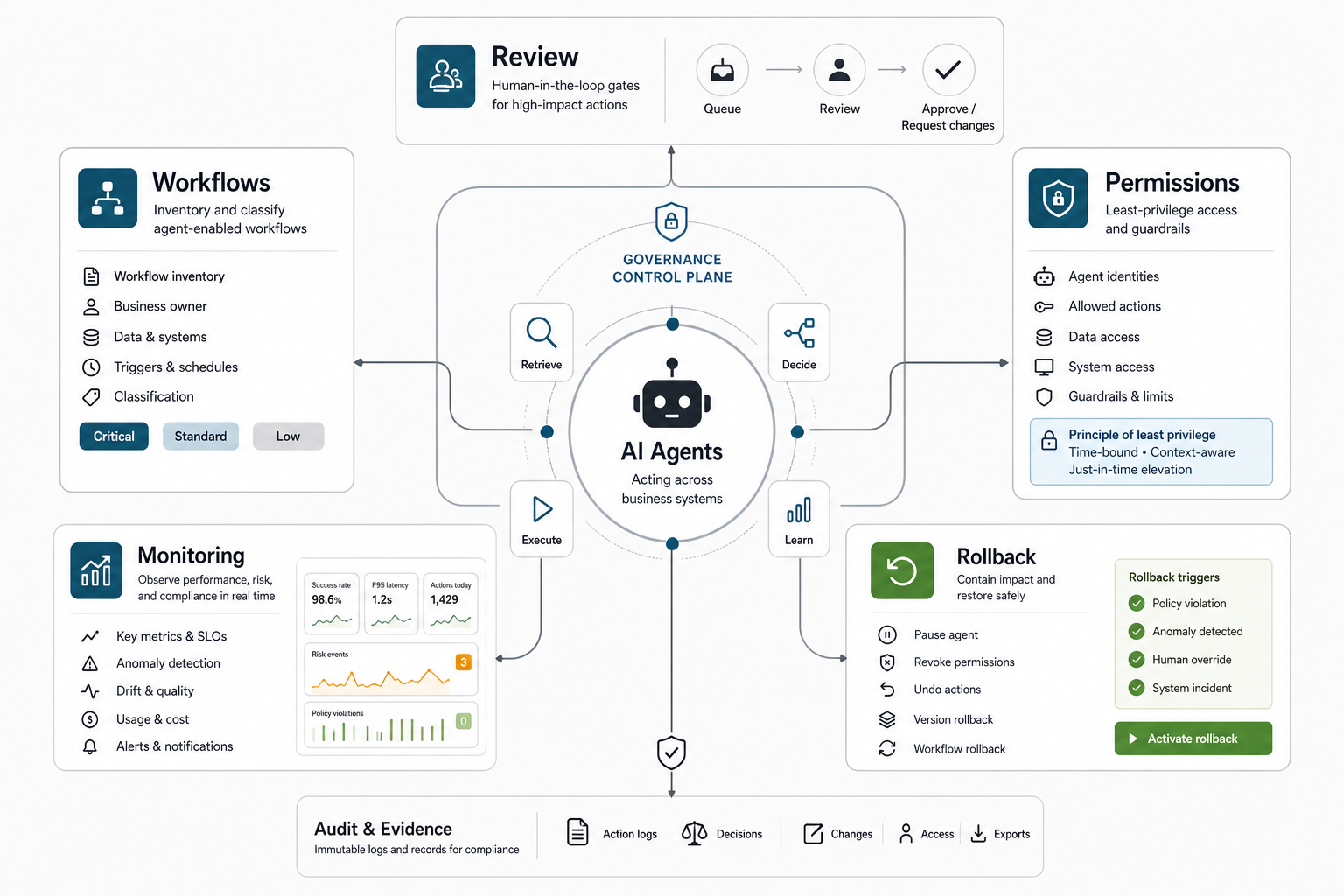
A practical enterprise AI agent governance plan for permission envelopes, human review gates, monitoring, audit evidence, rollback paths, and phased rollout.
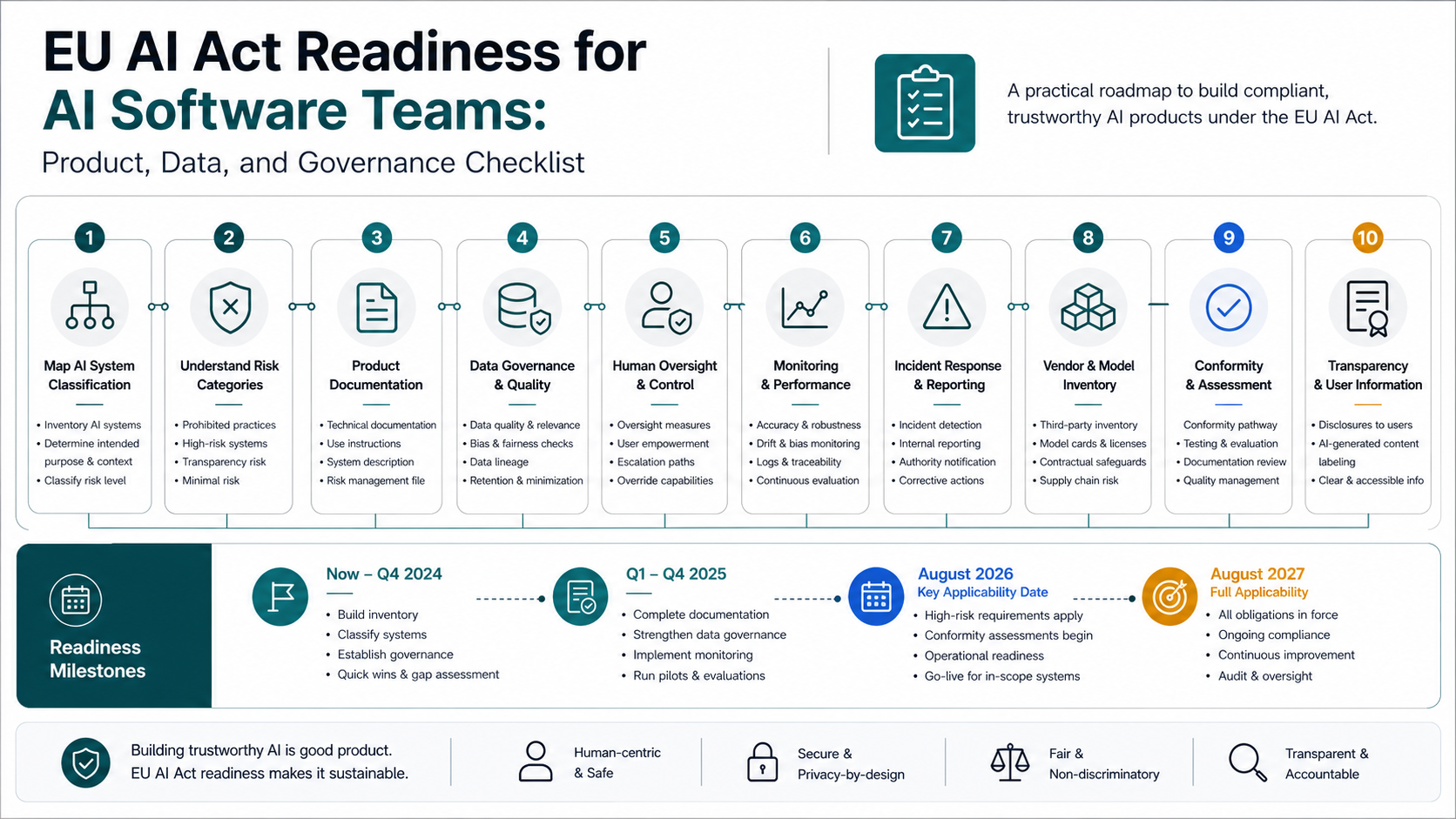
Use this EU AI Act readiness checklist to map AI product inventory, risk classification, implementation timing, data evidence, human oversight, monitoring, and release gates.
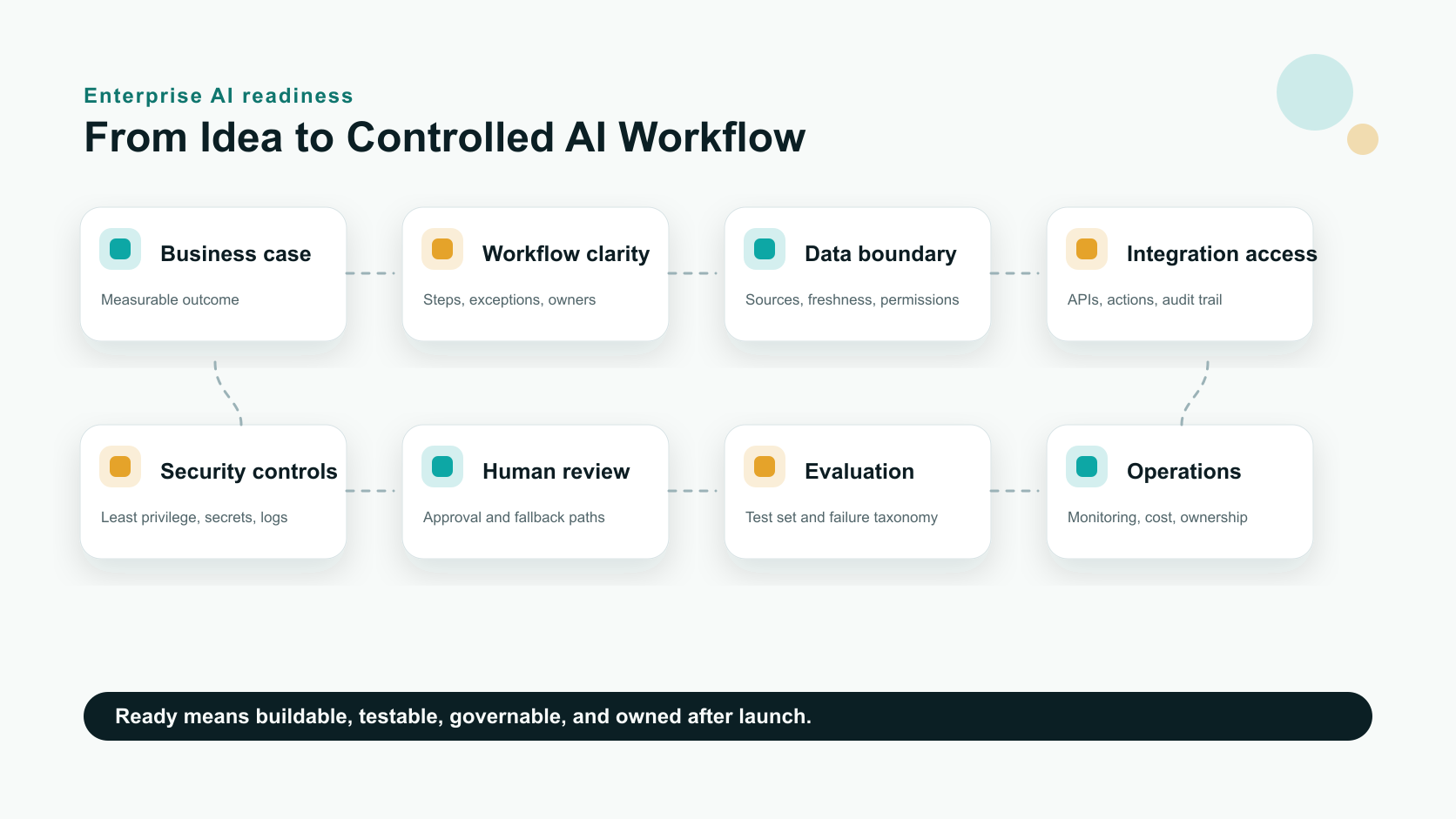
Check whether your enterprise AI idea is ready for a pilot, production hardening, or workflow cleanup before investing in models and agents.
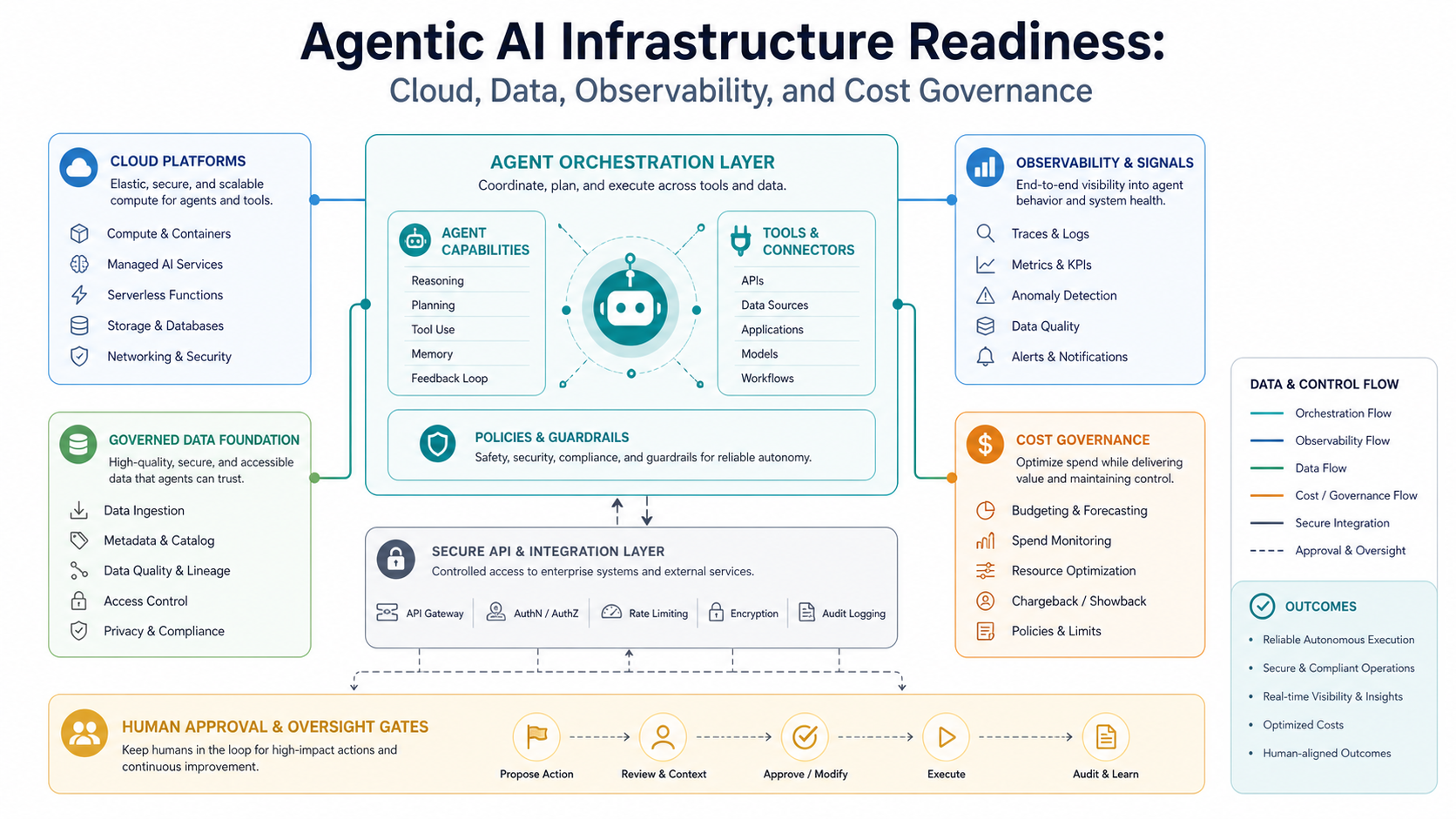
Use this agentic AI infrastructure readiness checklist to assess cloud runtime, trusted data, tool permissions, observability, cost controls, governance, and rollout evidence.
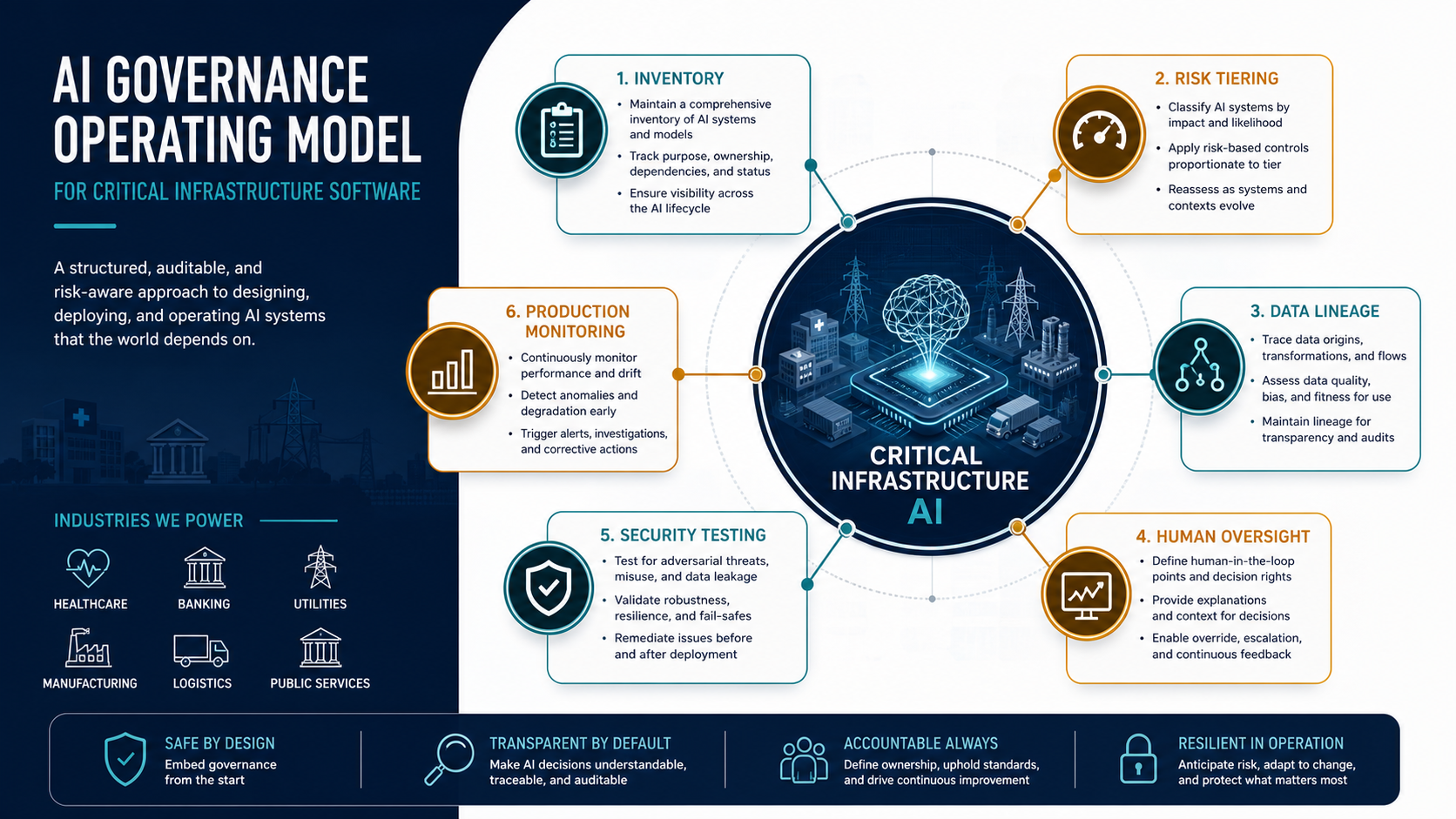
Use this AI governance checklist for critical infrastructure software to map NIST AI RMF controls, risk tiers, data lineage, oversight, monitoring, and launch evidence.
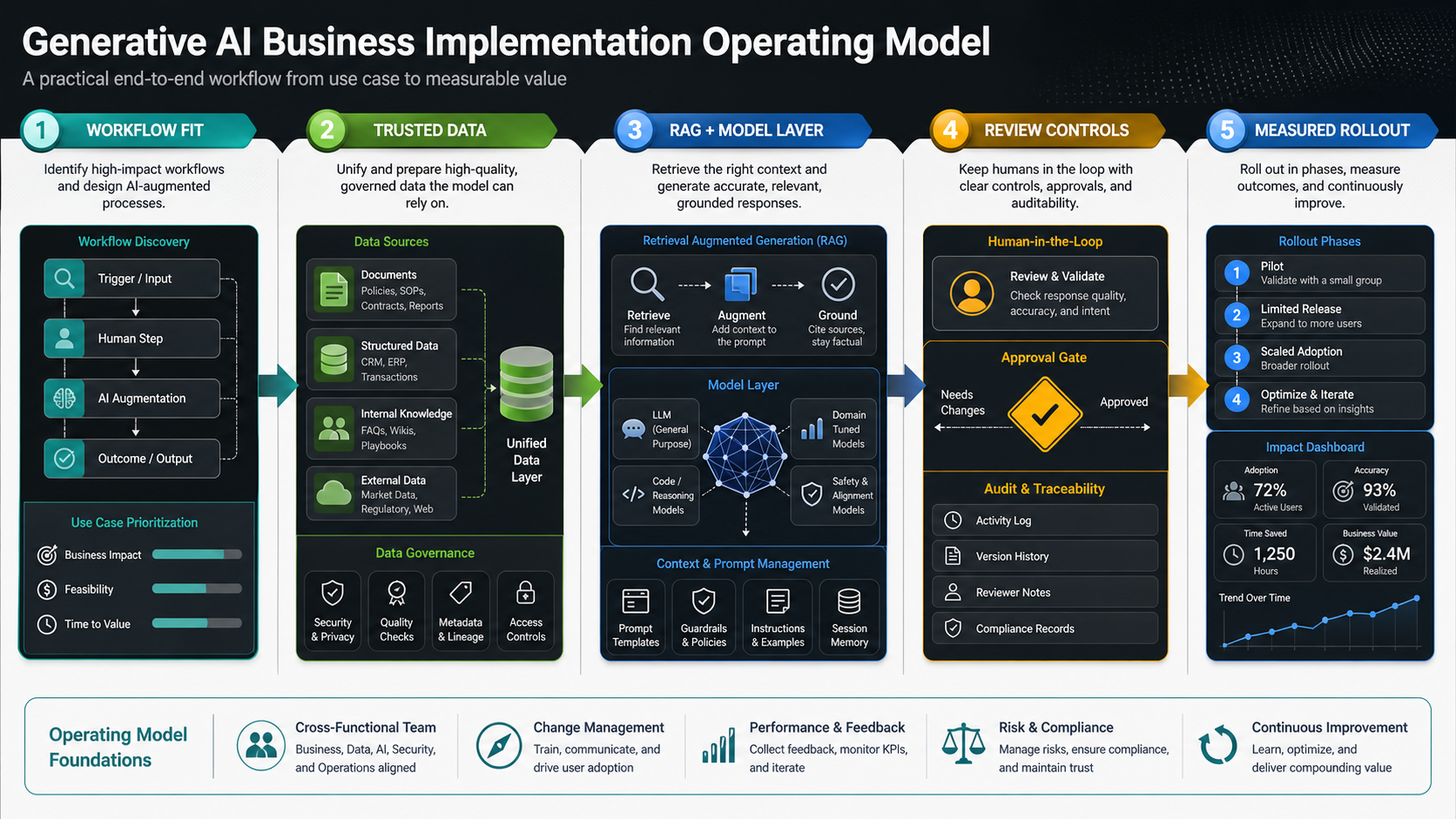
Plan generative AI for business with practical use cases, RAG architecture, governance controls, evaluation methods, ROI metrics, and rollout guidance.