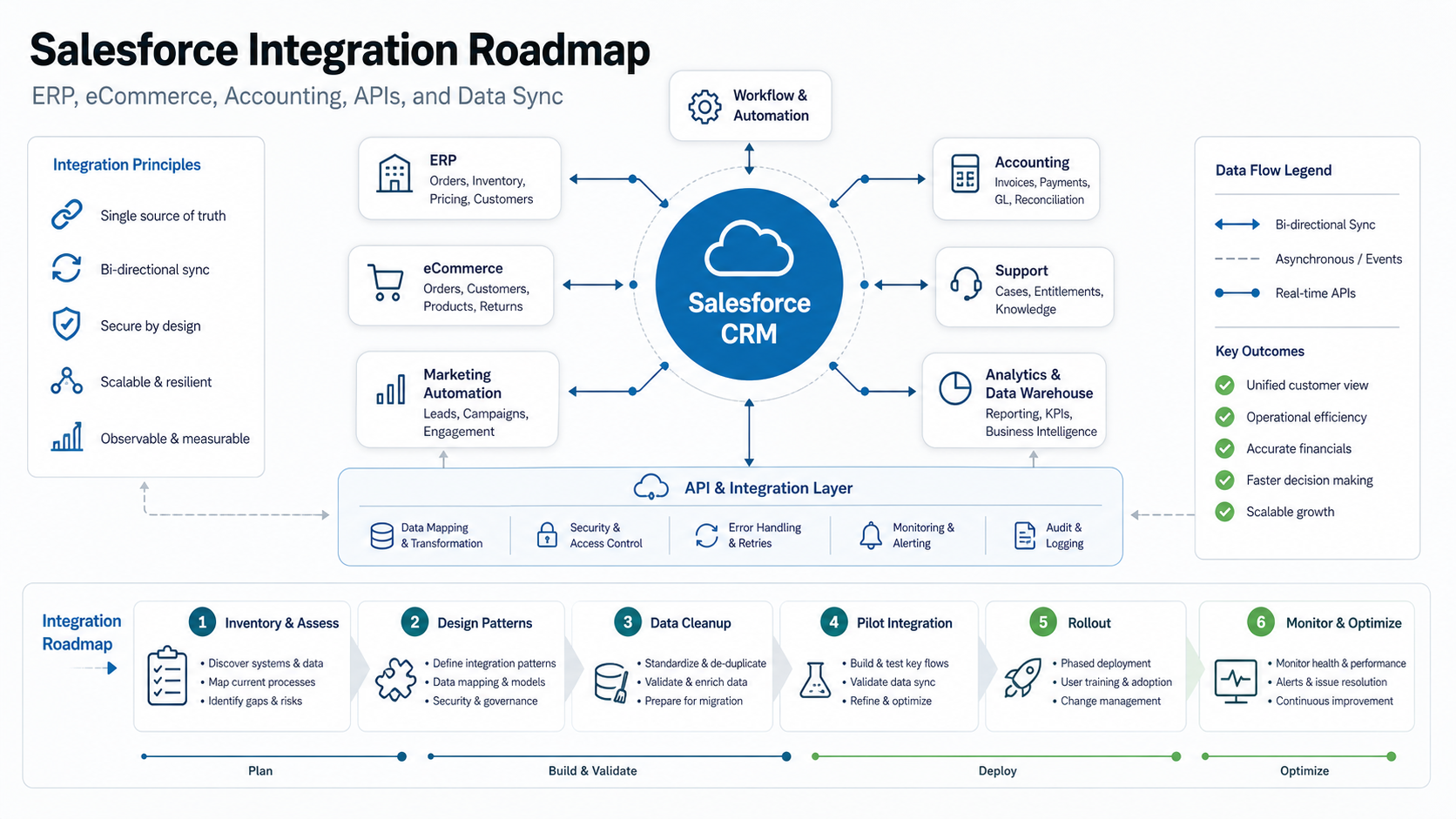
Salesforce Integration Roadmap: ERP, eCommerce, Accounting, APIs, And Data Sync
Plan Salesforce integration across ERP, eCommerce, accounting, APIs, data sync, testing, monitoring, and phased rollout gates.
Guides to process discovery, automation scope, integrations, exception handling and measuring business value.
Workflow automation makes repeated business actions more consistent by connecting systems, rules and approvals. Document the process and its exceptions before choosing an automation tool.
Measure time saved and error reduction against the current process. Assign owners for failed jobs, access controls and changes to upstream APIs so unattended work remains supportable.
These guides help distinguish rule-based automation from workflows that need AI interpretation. Start with a small measurable process before expanding across departments.
Showing 13–24 of 35 posts
Plan Salesforce integration across ERP, eCommerce, accounting, APIs, data sync, testing, monitoring, and phased rollout gates.
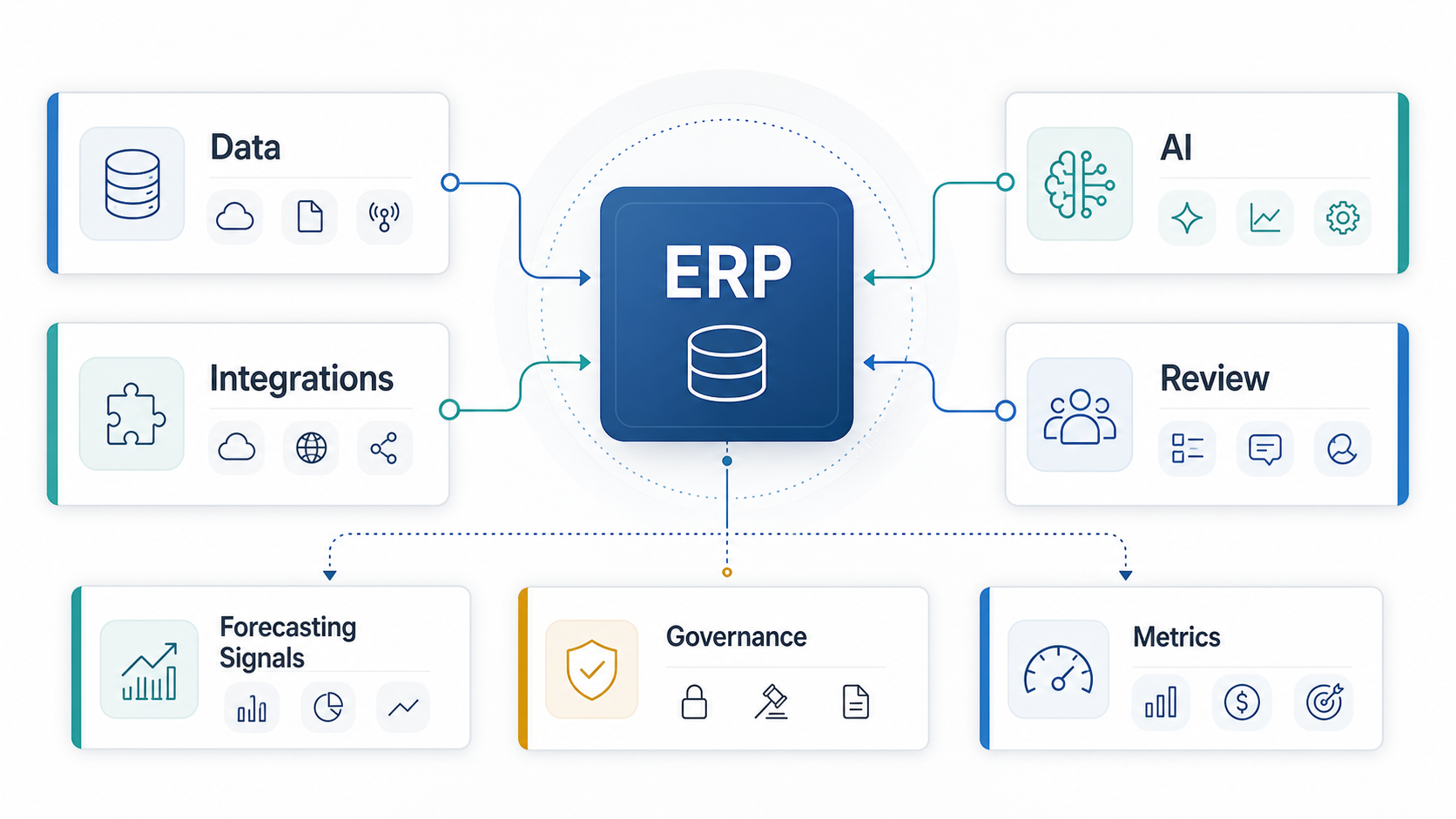
Plan AI in ERP implementation with governed workflows, data readiness, integration architecture, forecasting, human review, ROI metrics, and rollout gates.
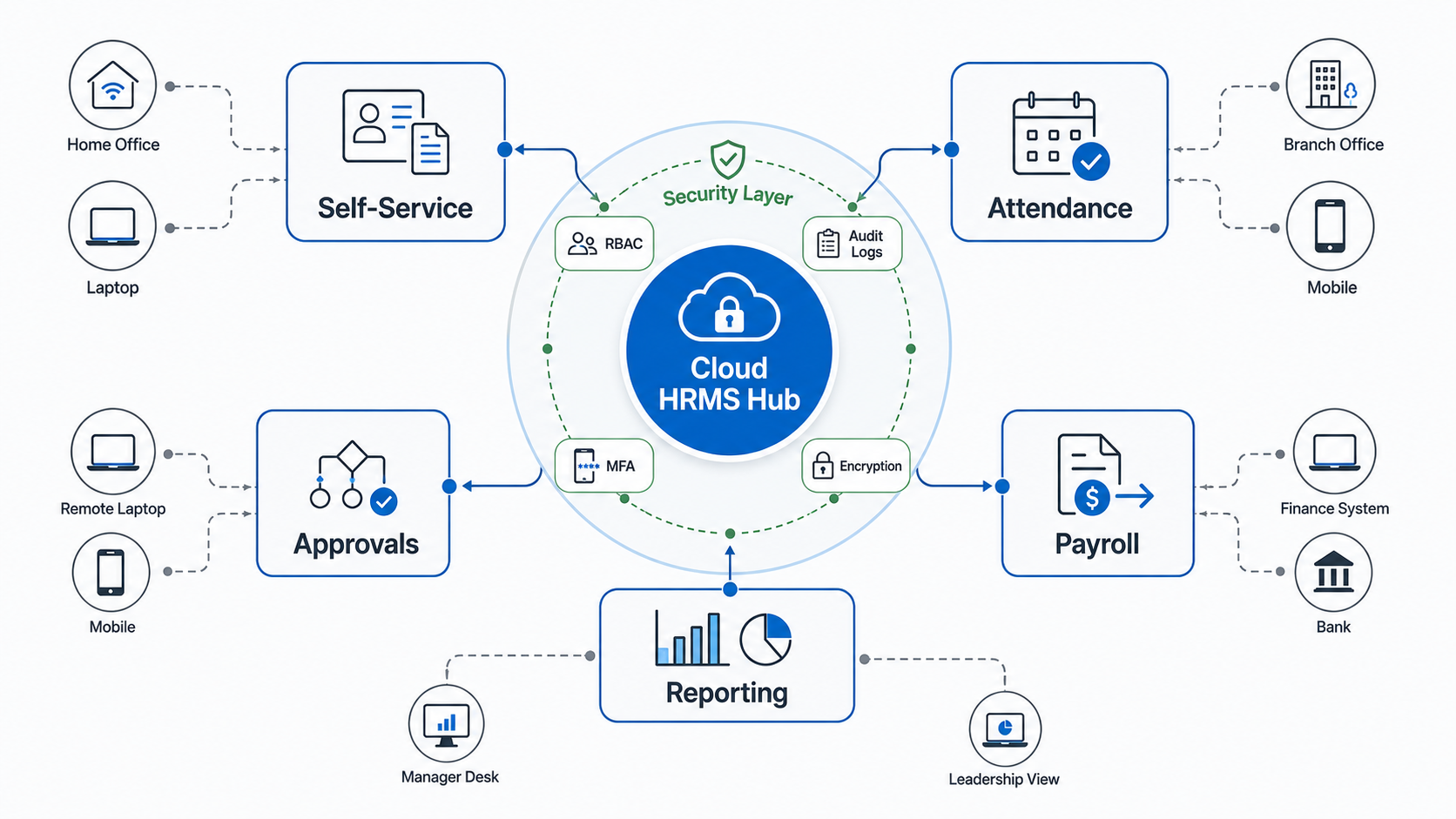
Plan cloud HRMS workflows for remote teams with self-service, attendance, approvals, payroll handoffs, security controls, reporting, and rollout governance.
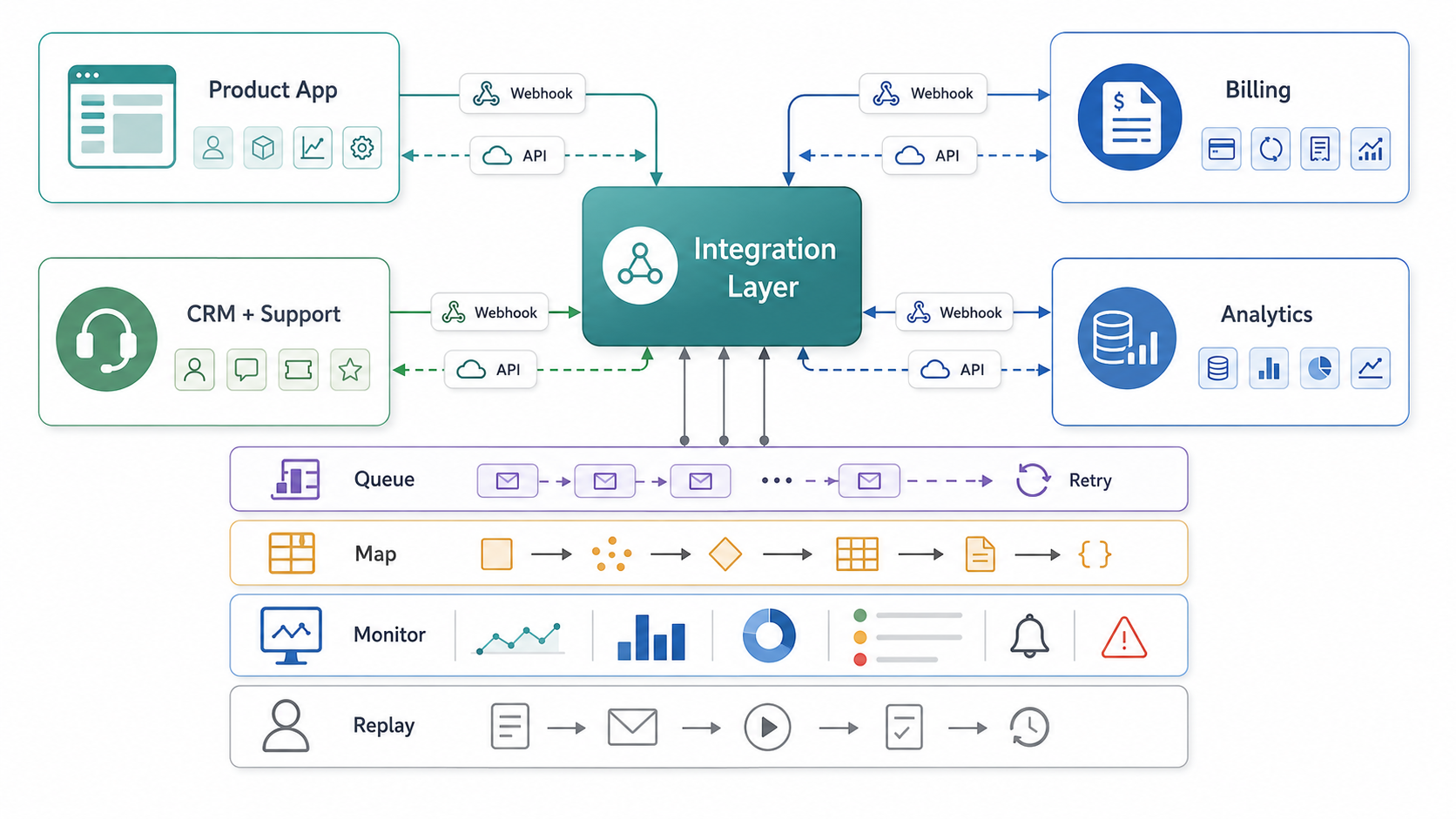
Plan SaaS integration architecture across APIs, webhooks, billing, CRM, support, analytics, source-of-truth rules, retries, replay, testing, and build-vs-buy decisions.
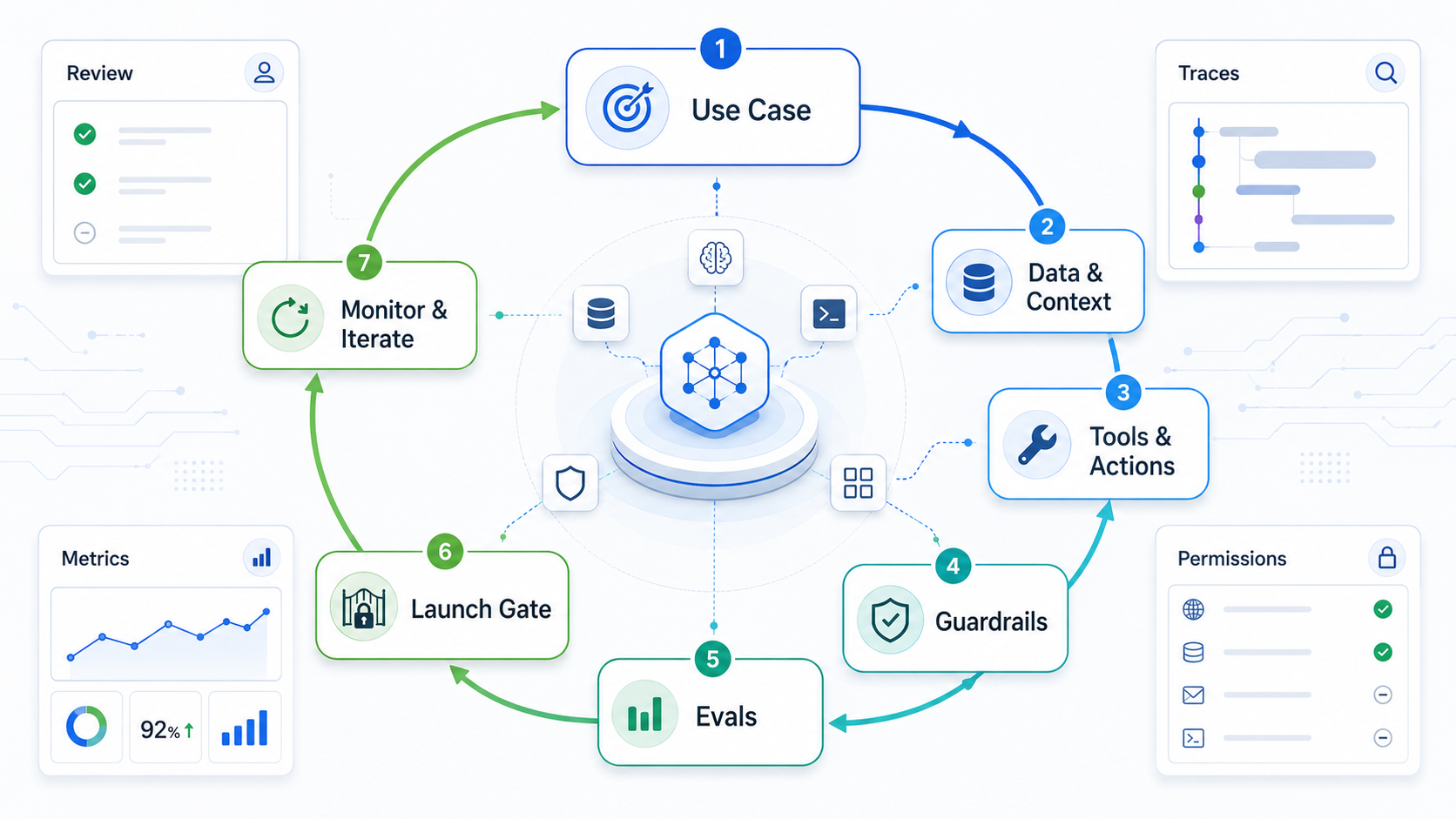
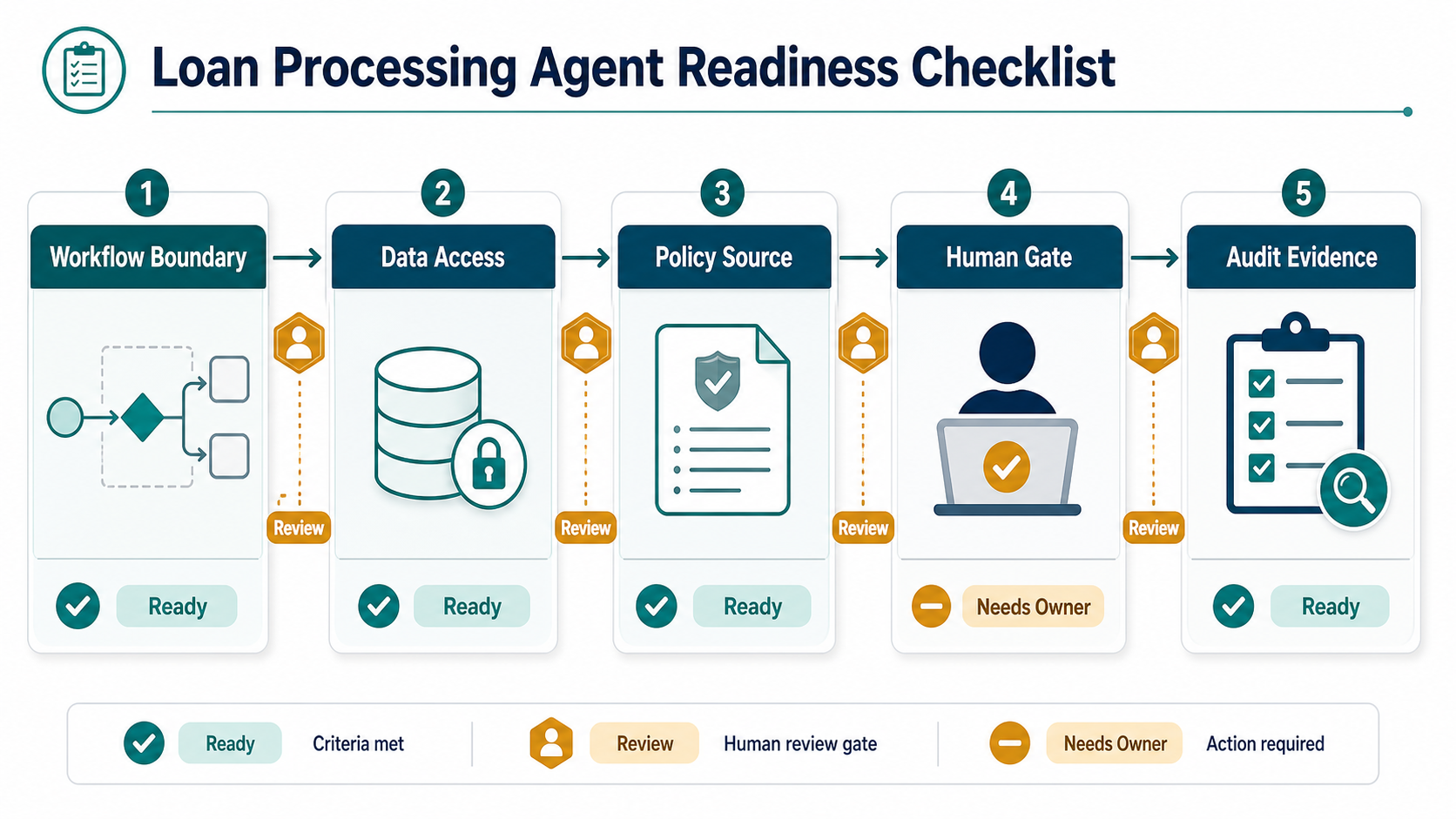
Use this AI agent development lifecycle to plan workflow selection, owners, context, tools, evals, guardrails, release gates, monitoring, and evidence-based iteration.
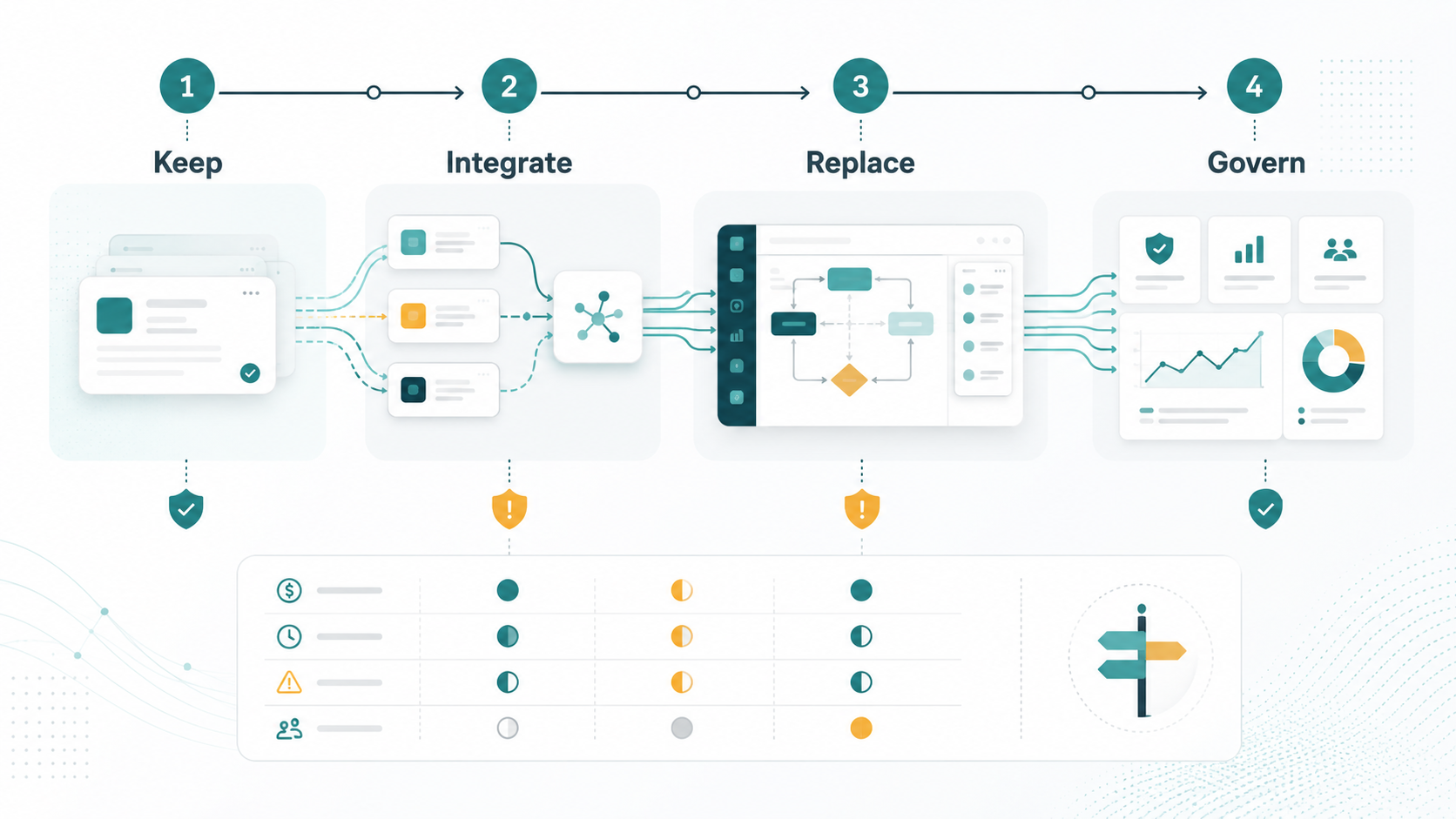
Use this SaaS replacement roadmap to decide what to keep, integrate, or replace with custom software before workflow debt, license sprawl, and data gaps get worse.
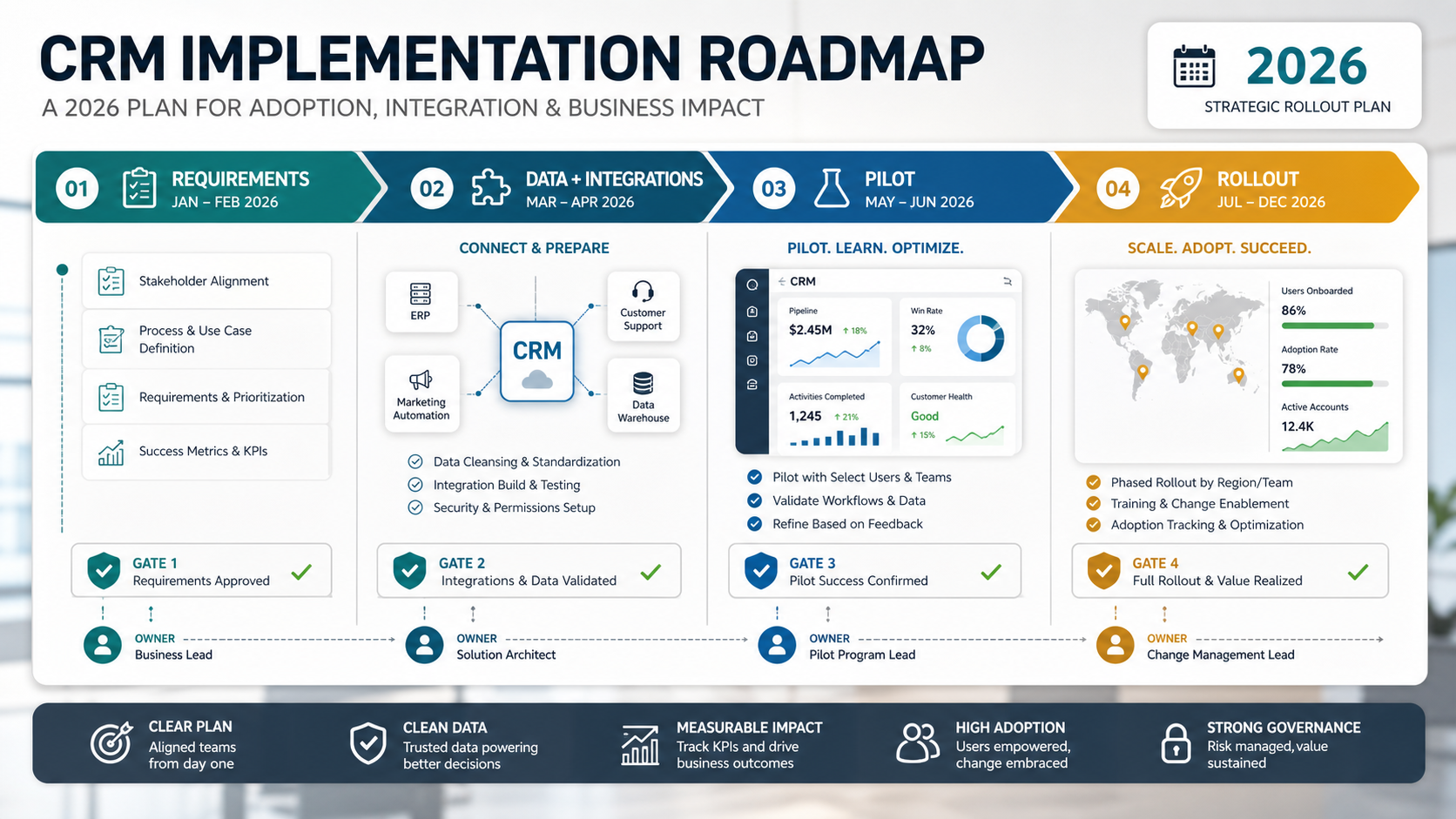
Use this 2026 CRM implementation roadmap to plan requirements, data ownership, integrations, dashboards, rollout gates, adoption metrics, and post-launch optimization.
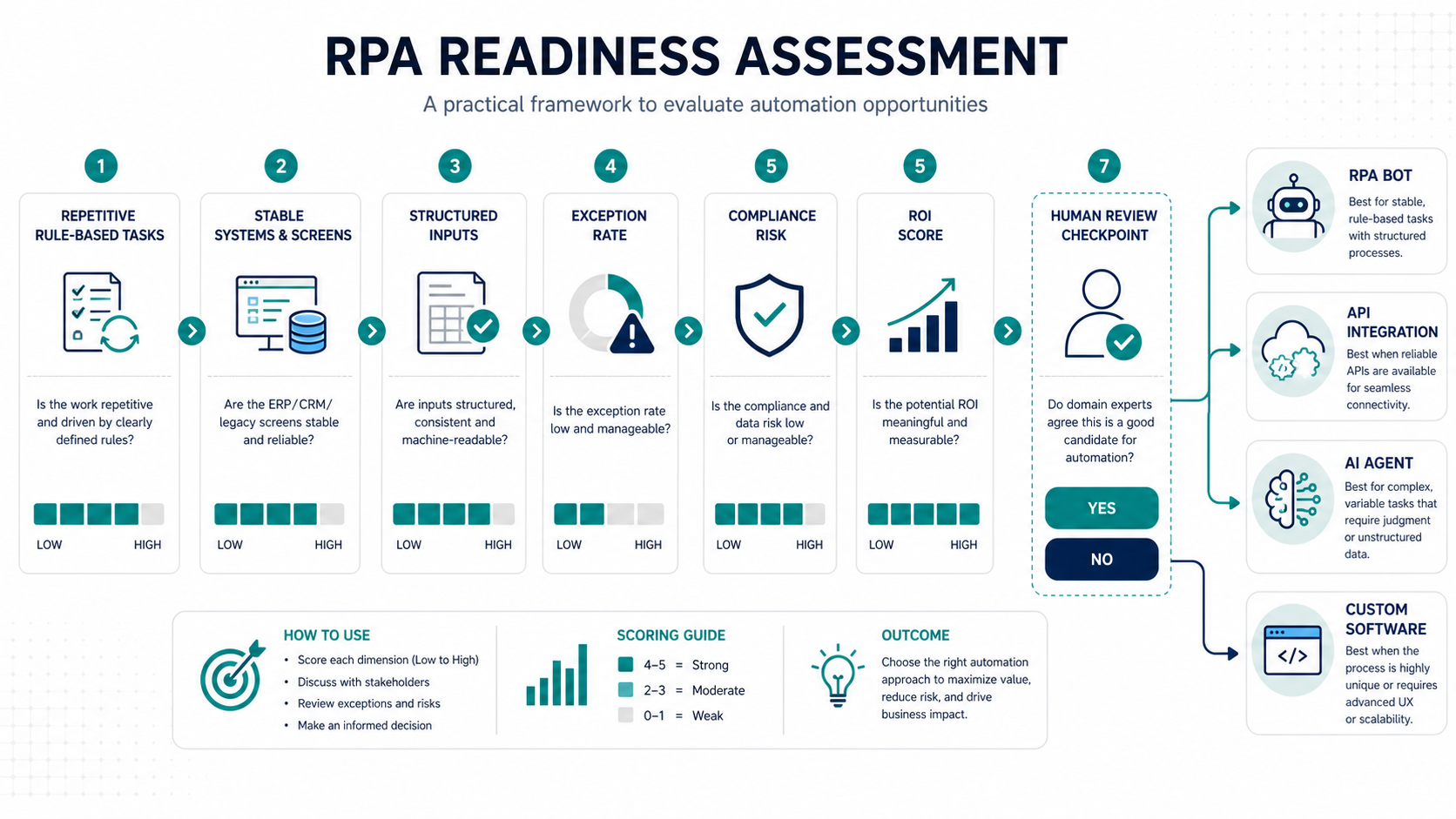
Use this RPA readiness assessment to score process fit, data quality, system stability, exceptions, governance, ROI, and whether RPA, APIs, AI, or cleanup should come first.
Estimate RPA development cost with current licensing checks, bot scope, integrations, document processing, exception handling, support ownership, timeline, and ROI.
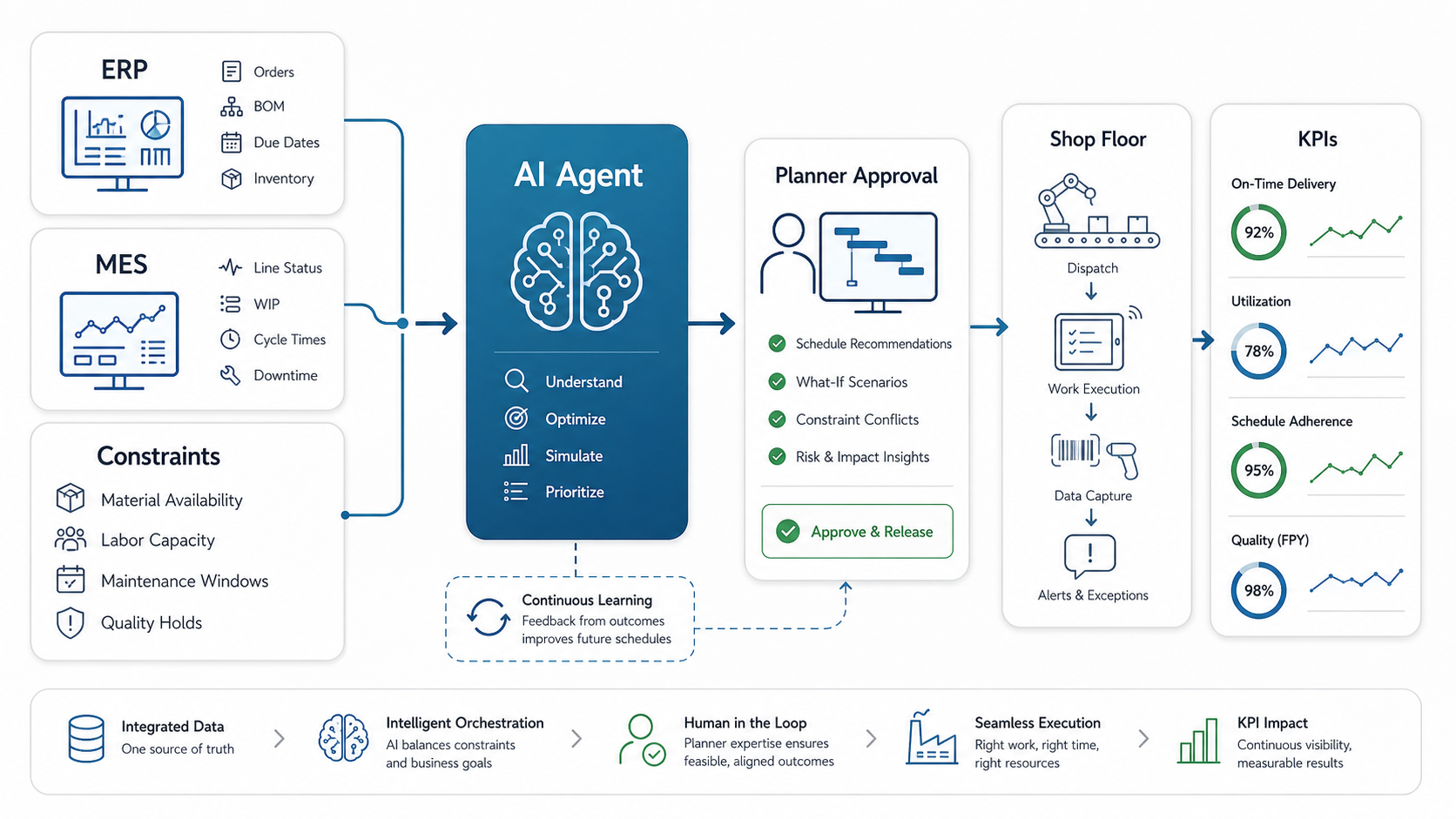
Plan AI agents for production scheduling with ERP, MES, APS, constraints, planner approvals, shop-floor write-back, KPIs, and safe autonomy gates.
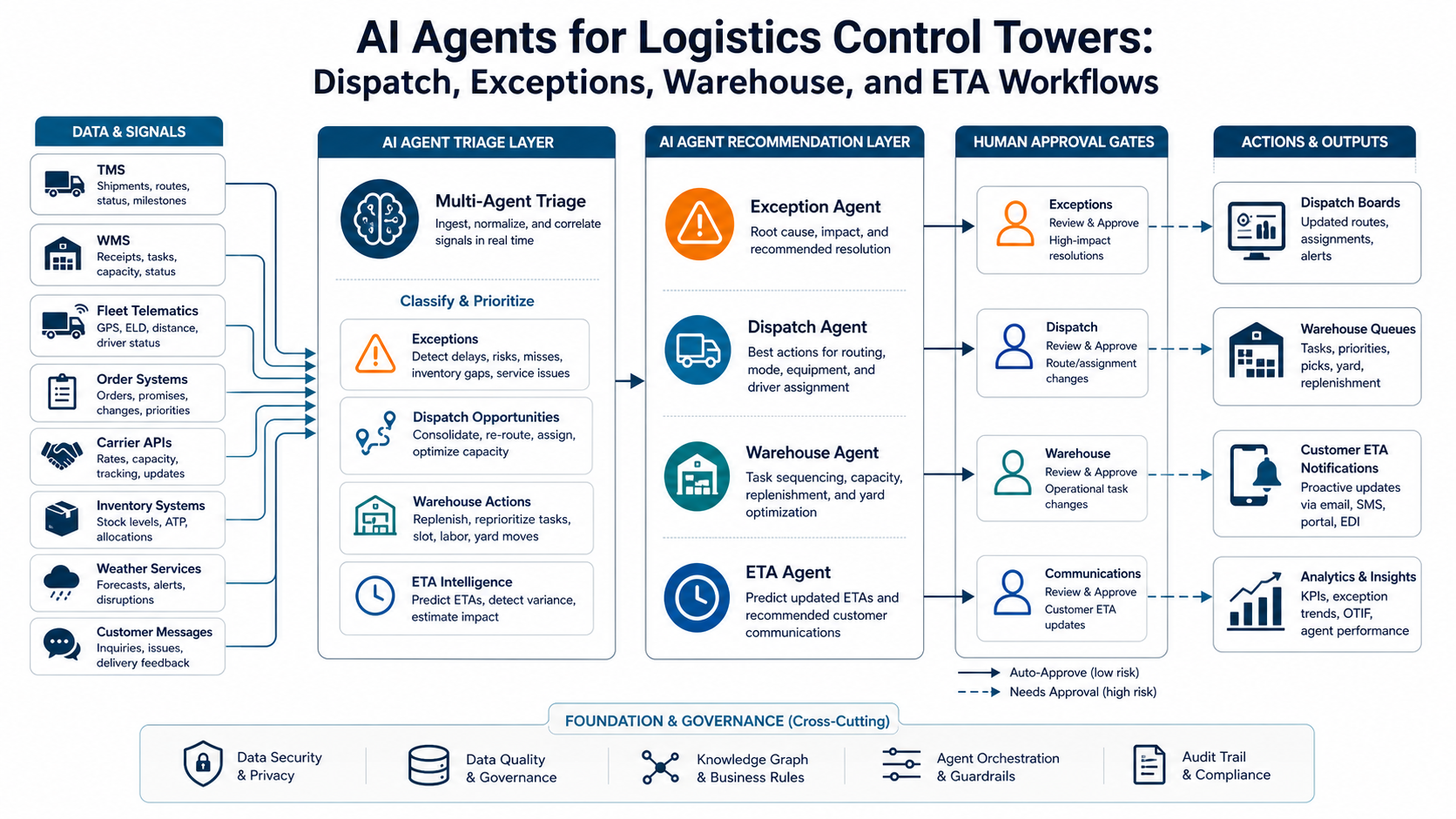
Plan logistics control-tower AI agents for dispatch exceptions, WMS/TMS integration, ETA updates, human approvals, physical visibility, pilot scoring, and ROI.
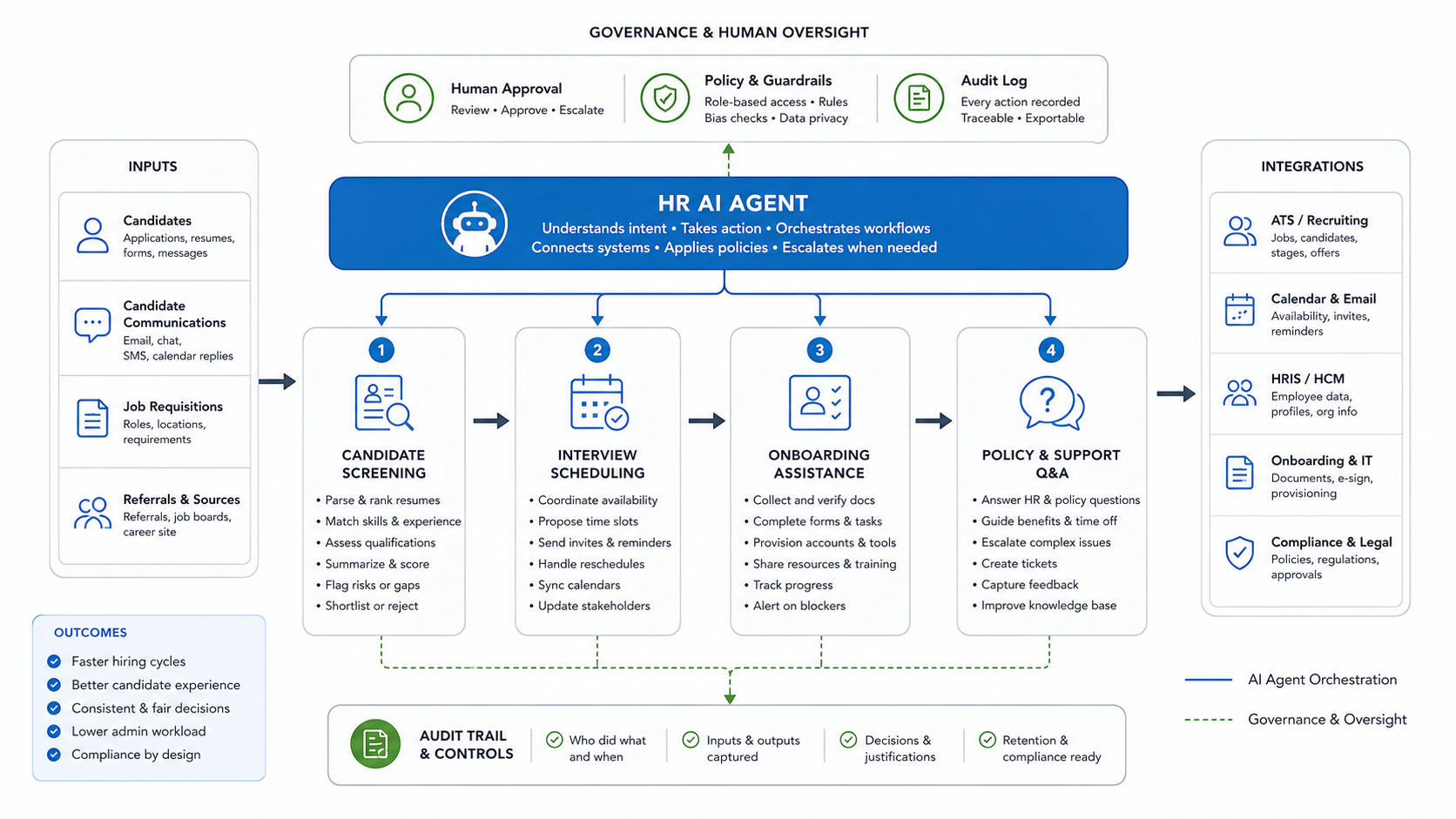
Plan HR AI agents with recruiting use cases, scheduling workflows, onboarding support, jurisdiction readiness, bias controls, audit evidence, and 2026 compliance context.