Retail Automation Cost And Integration Guide: POS, Inventory, RFID, IoT, And AI
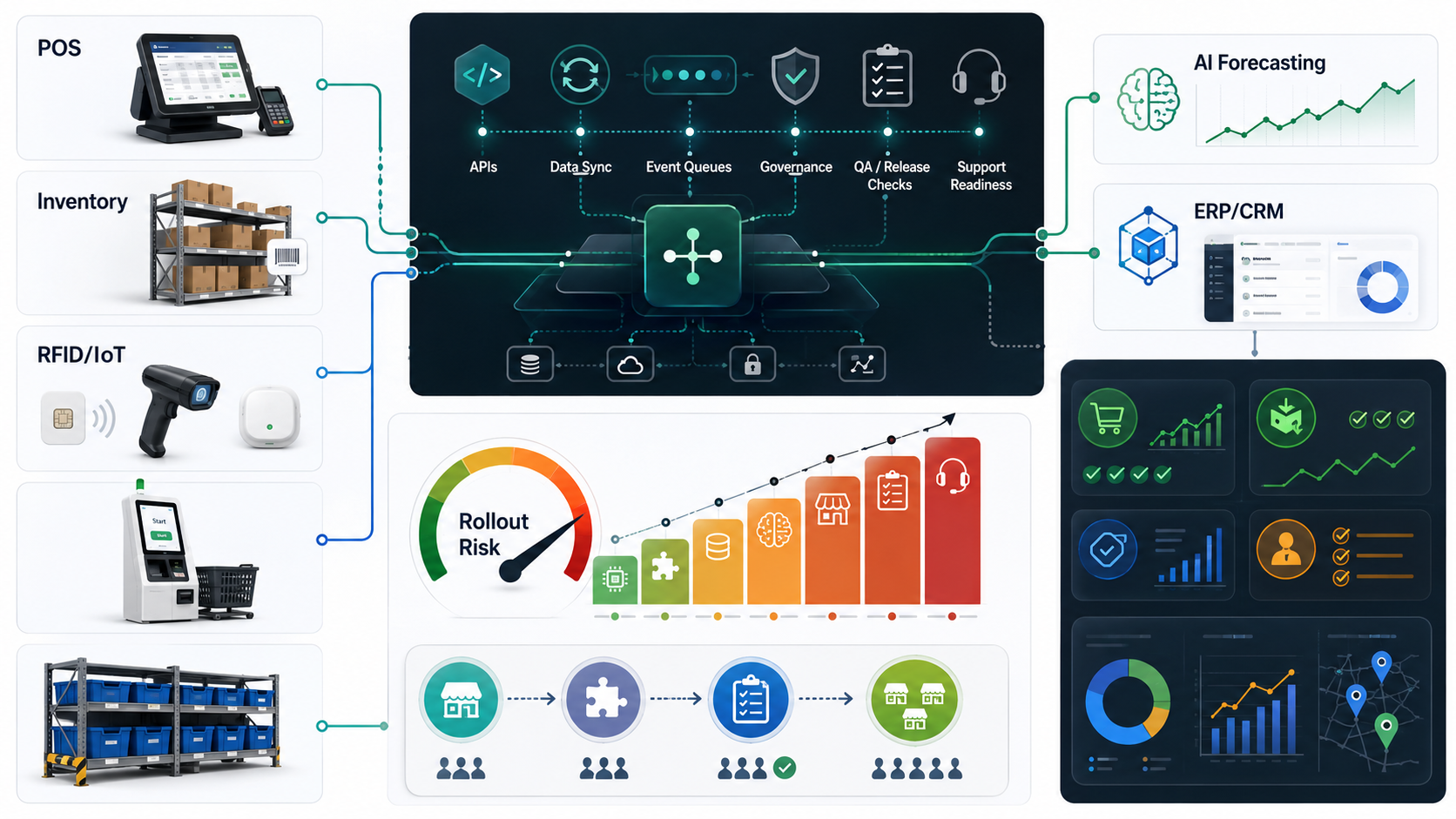
Plan retail automation cost across POS, inventory, RFID, IoT, AI forecasting, ERP, CRM, omnichannel integrations, rollout gates, training, QA, and support.
Notes from the NextPage team on product engineering, app development, outsourcing, and the practical choices behind reliable digital products.
Browse topicsMeet the authorEditorial standards
Showing 121–132 of 430 posts
Plan retail automation cost across POS, inventory, RFID, IoT, AI forecasting, ERP, CRM, omnichannel integrations, rollout gates, training, QA, and support.
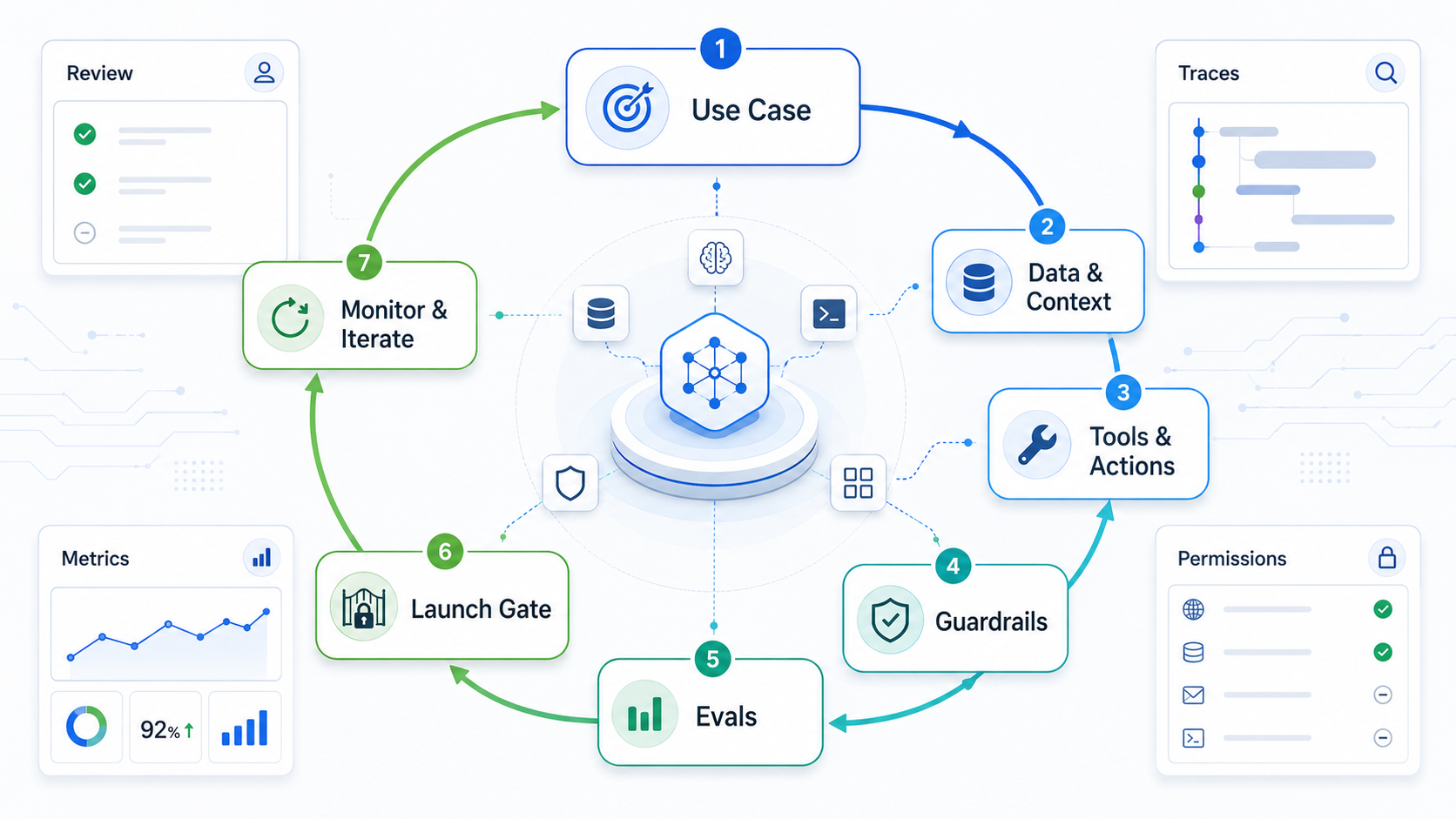
Use this AI agent development lifecycle to plan workflow selection, owners, context, tools, evals, guardrails, release gates, monitoring, and evidence-based iteration.
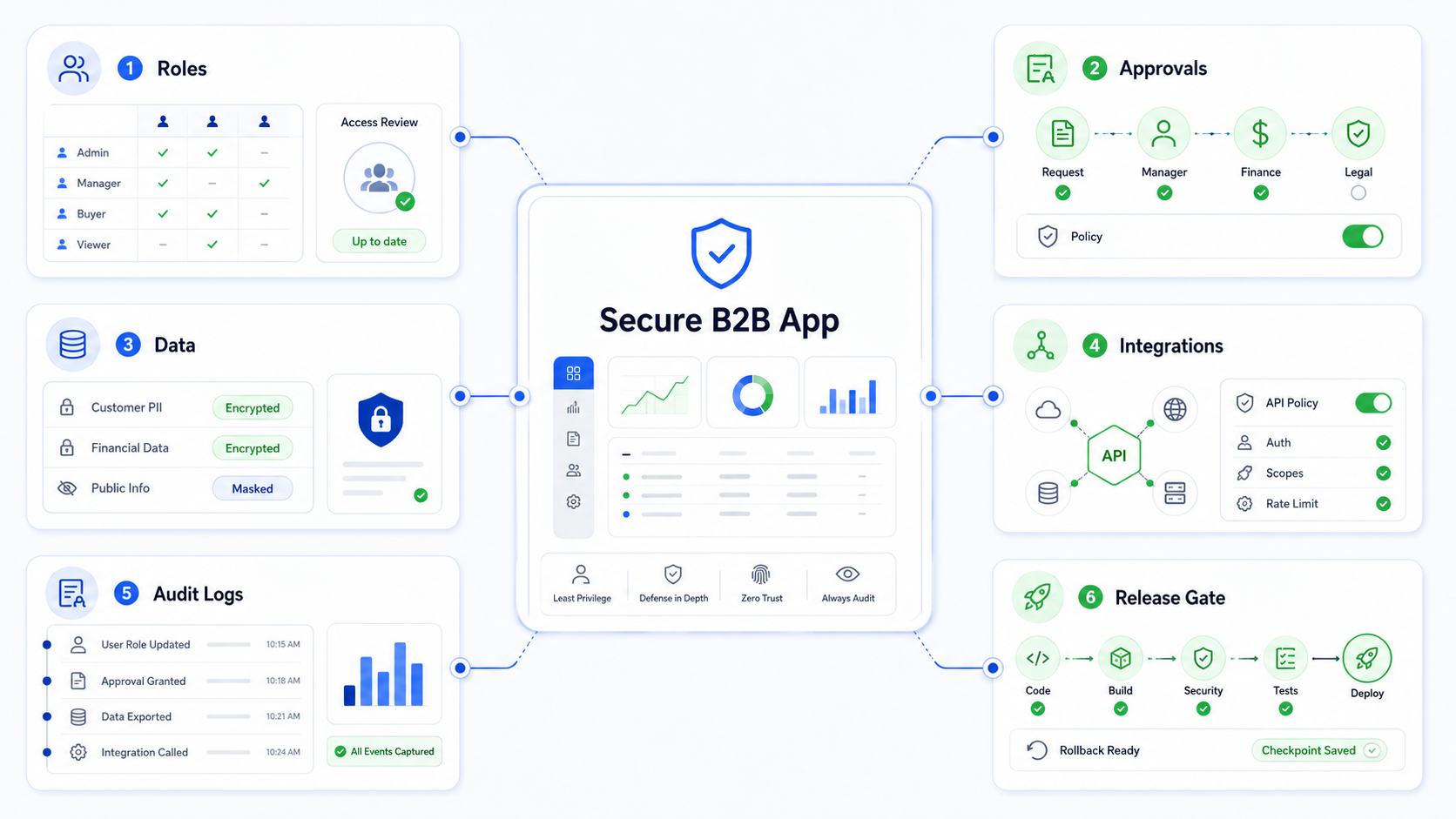
Plan secure B2B app development with a practical checklist for role-based access, approval workflows, data protection, API security, audit logs, and release governance.
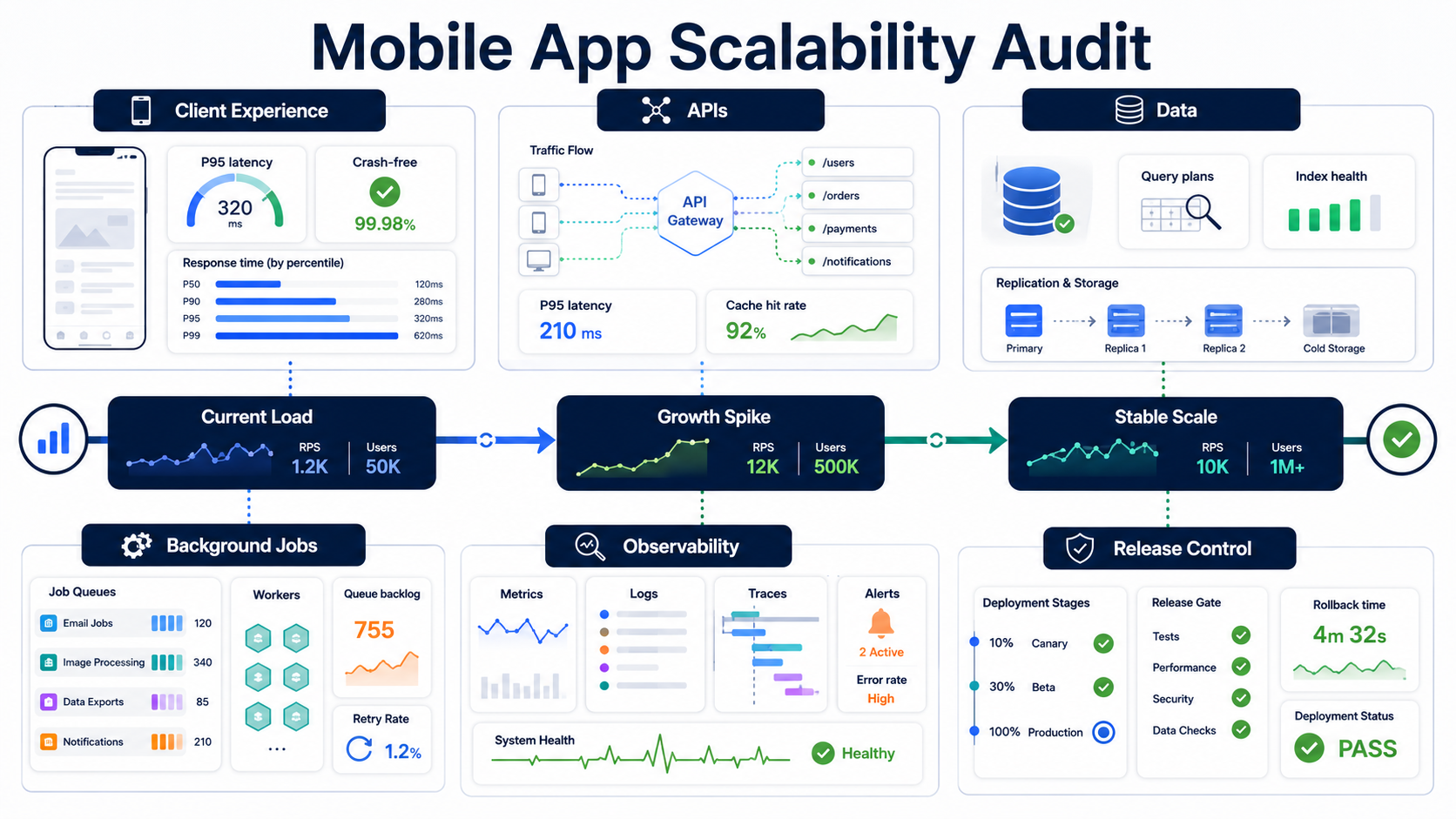
Use this mobile app scalability audit checklist to score client experience, APIs, databases, queues, observability, release gates, security, and cloud cost before a growth push.
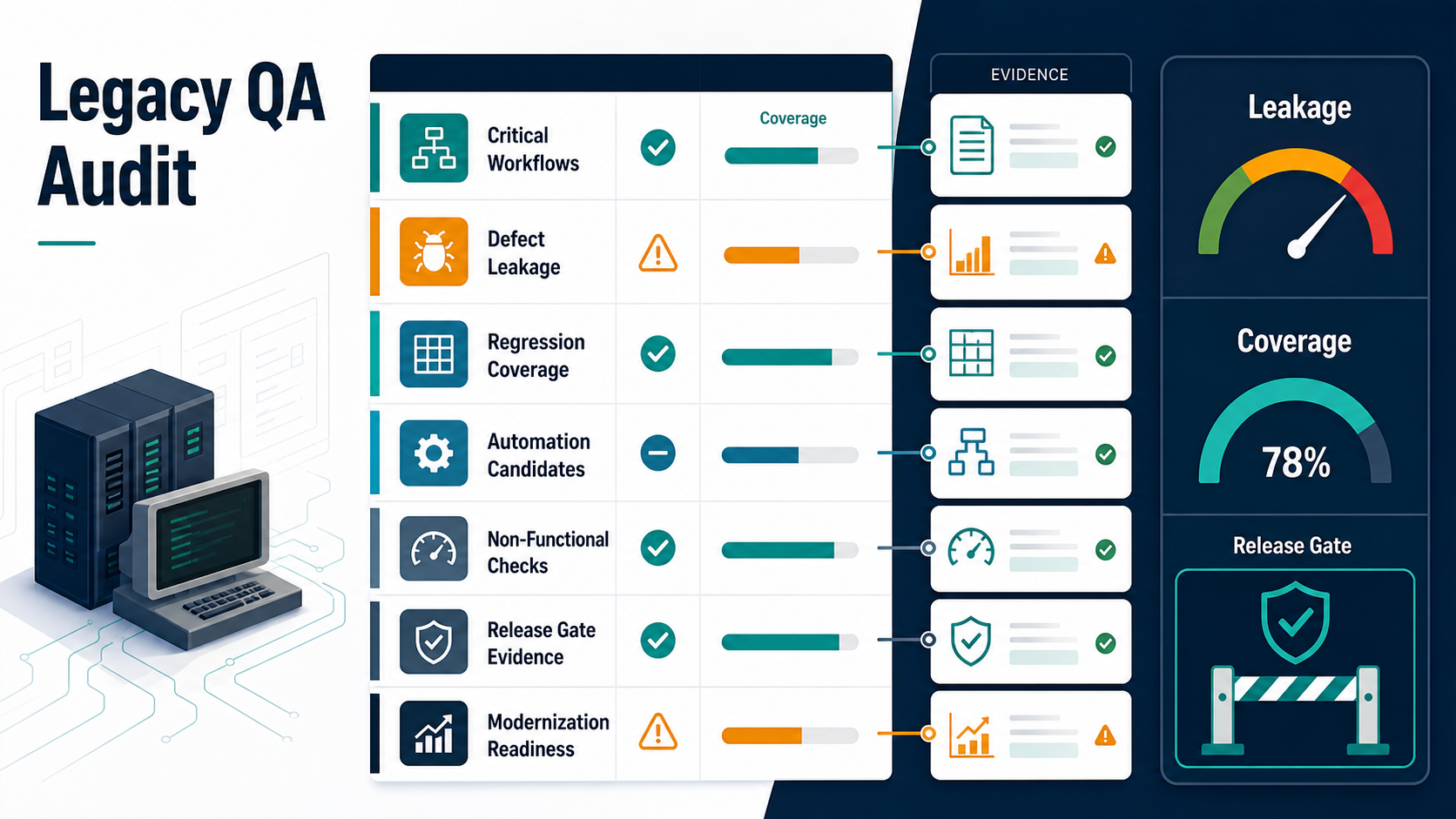
Use this legacy software QA audit checklist to score workflow risk, defect leakage, regression coverage, automation candidates, release gates, and modernization readiness.
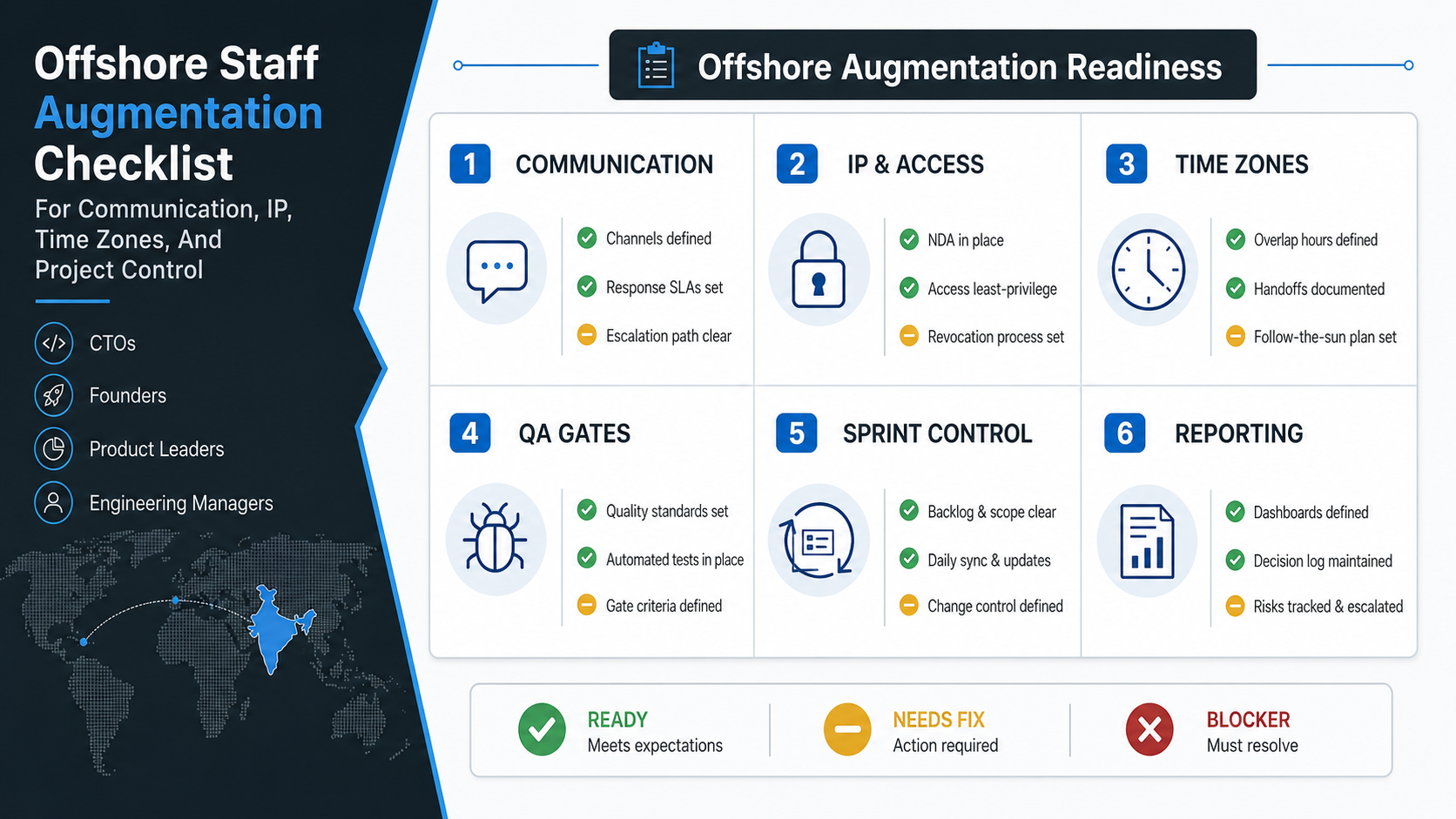
Use this offshore staff augmentation checklist to prepare communication SLAs, IP and access controls, time-zone handoffs, QA gates, reporting, and continuity before hiring remote developers.
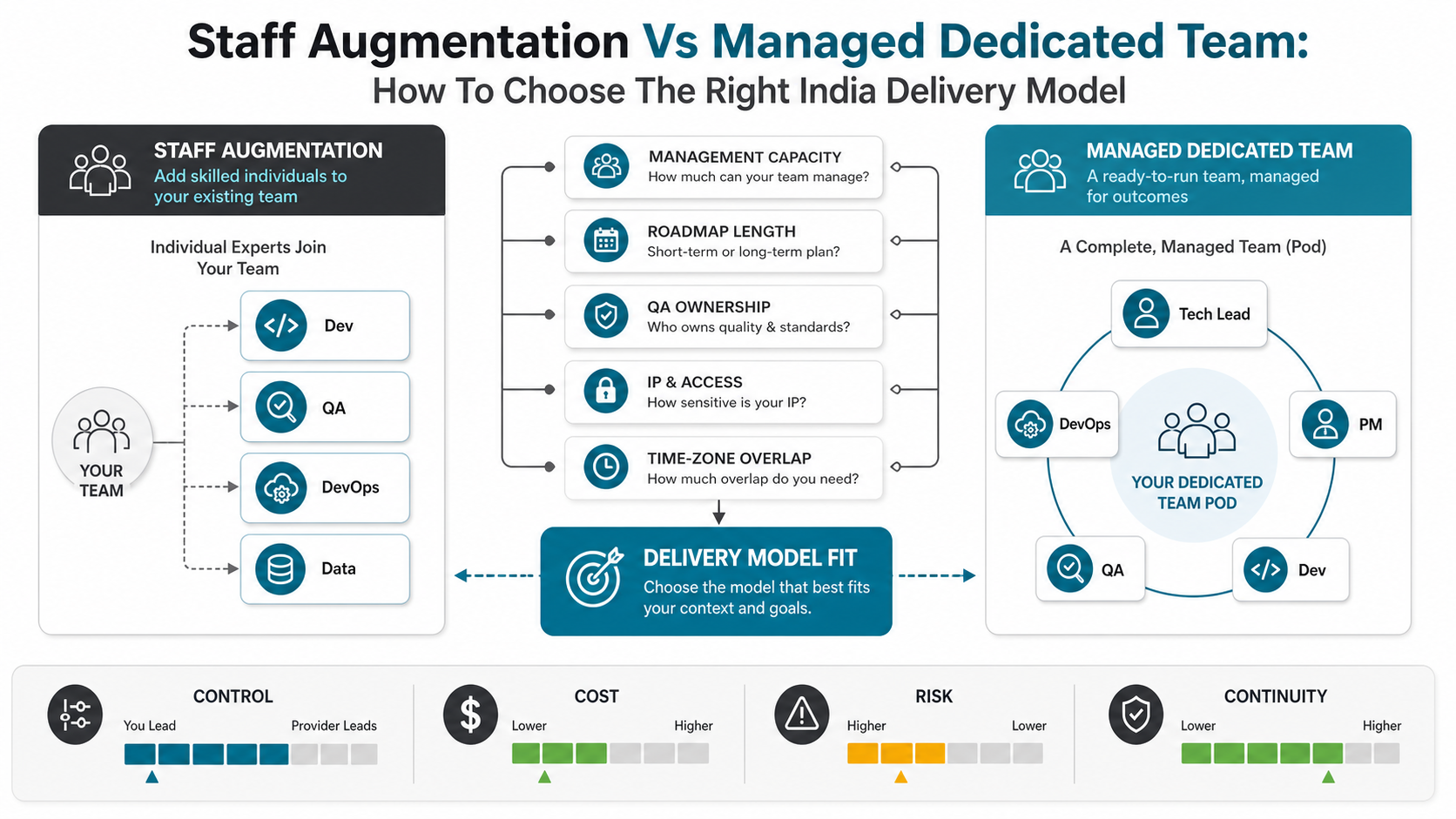
Compare staff augmentation and managed dedicated teams by leadership capacity, cost, QA ownership, IP controls, time-zone overlap, governance, and India delivery fit.
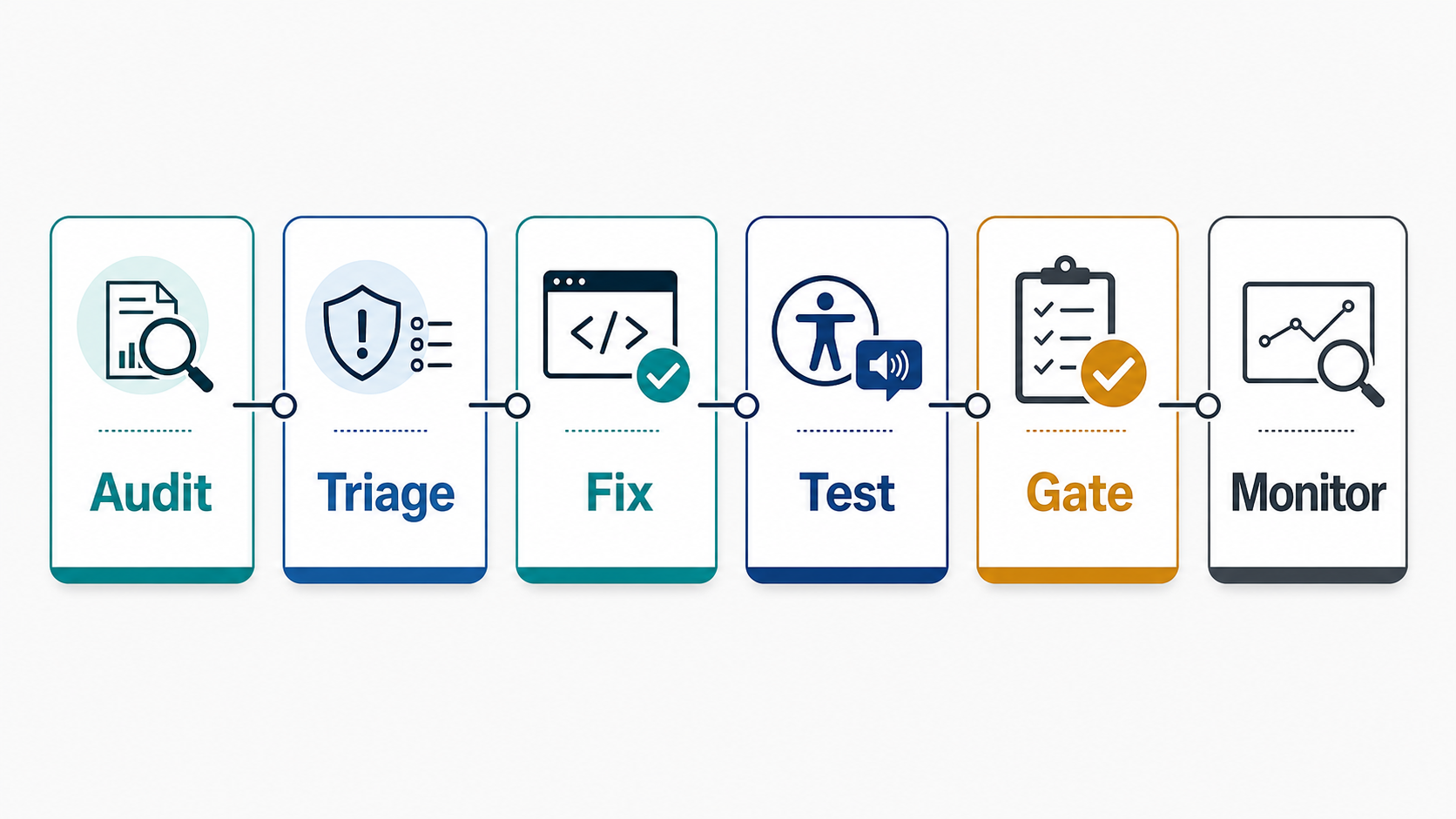
Use this 2026 accessibility remediation roadmap to prioritize WCAG 2.2 fixes, EAA risk, WCAG2ICT mobile/software checks, QA evidence, release gates, and regression governance.
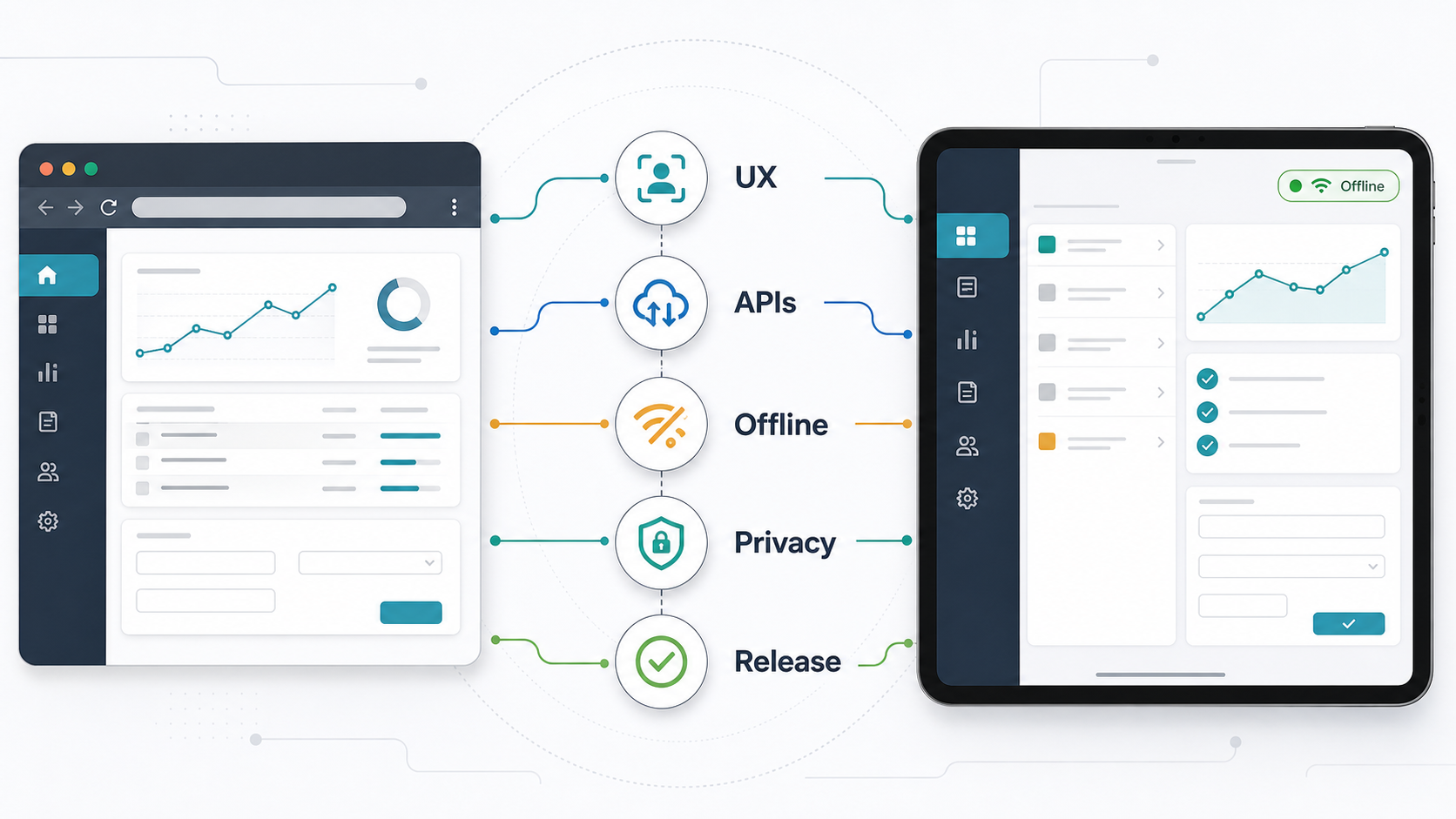
Use this website to iPad app migration checklist to plan tablet UX, APIs, offline sync, privacy evidence, QA gates, cost, and rollout.
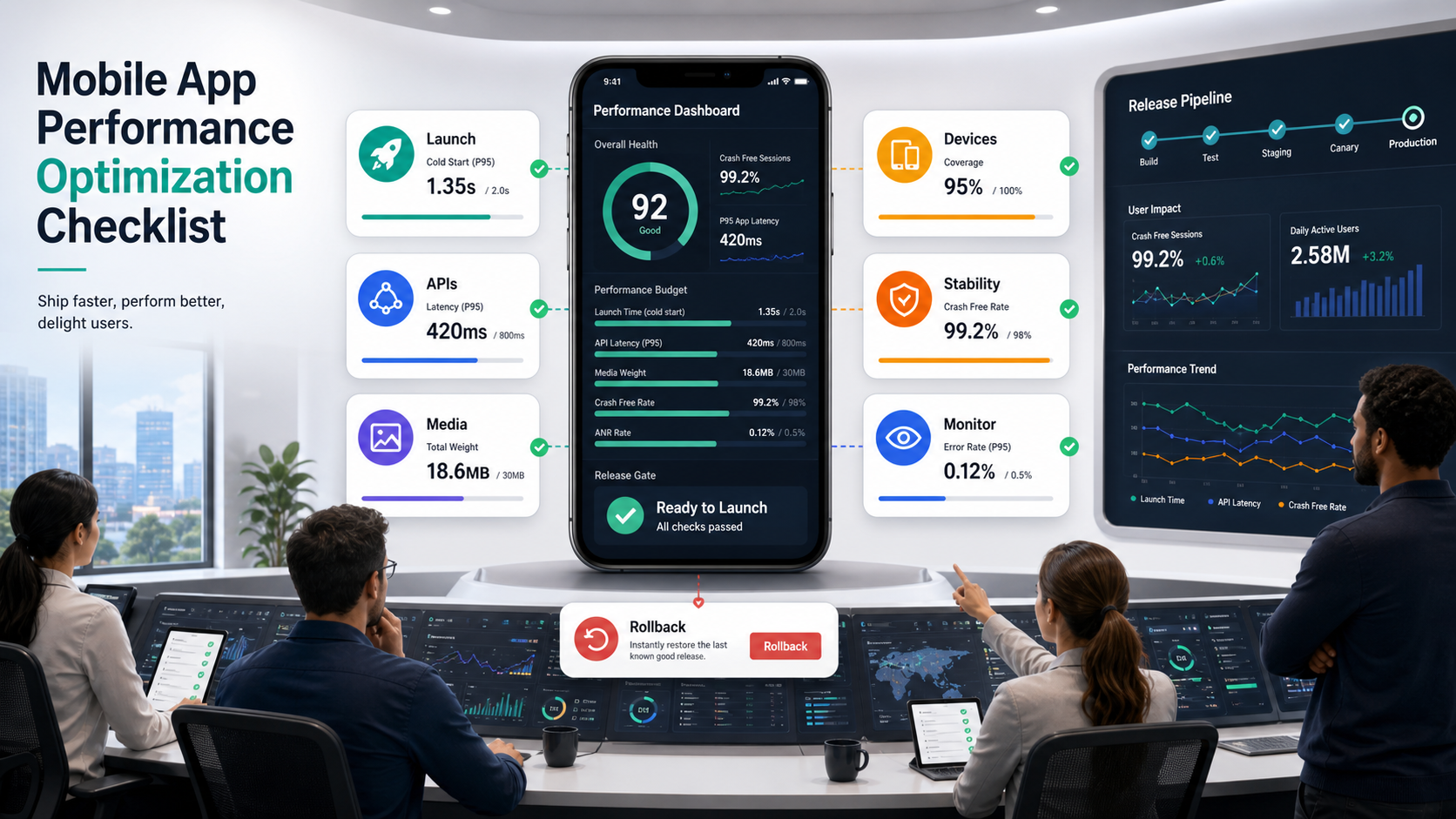
Use this 2026 mobile app performance optimization checklist to set budgets for launch speed, APIs, media, Android vitals, wake locks, QA evidence, release gates, monitoring, and rollback.
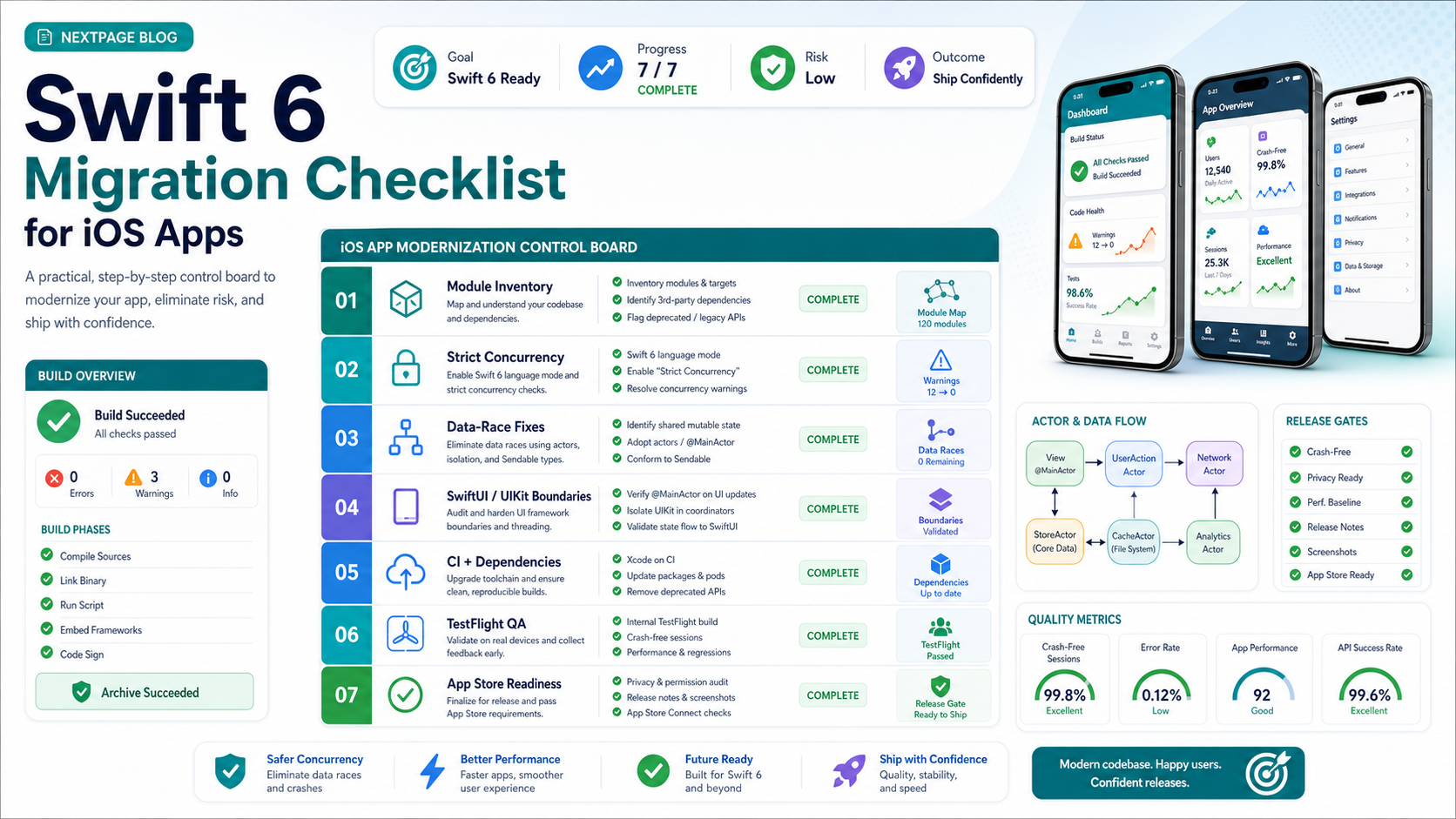
Use this Swift 6 migration checklist to plan strict concurrency, module sequencing, Xcode 26/current SDK readiness, TestFlight QA evidence, and App Store release gates.
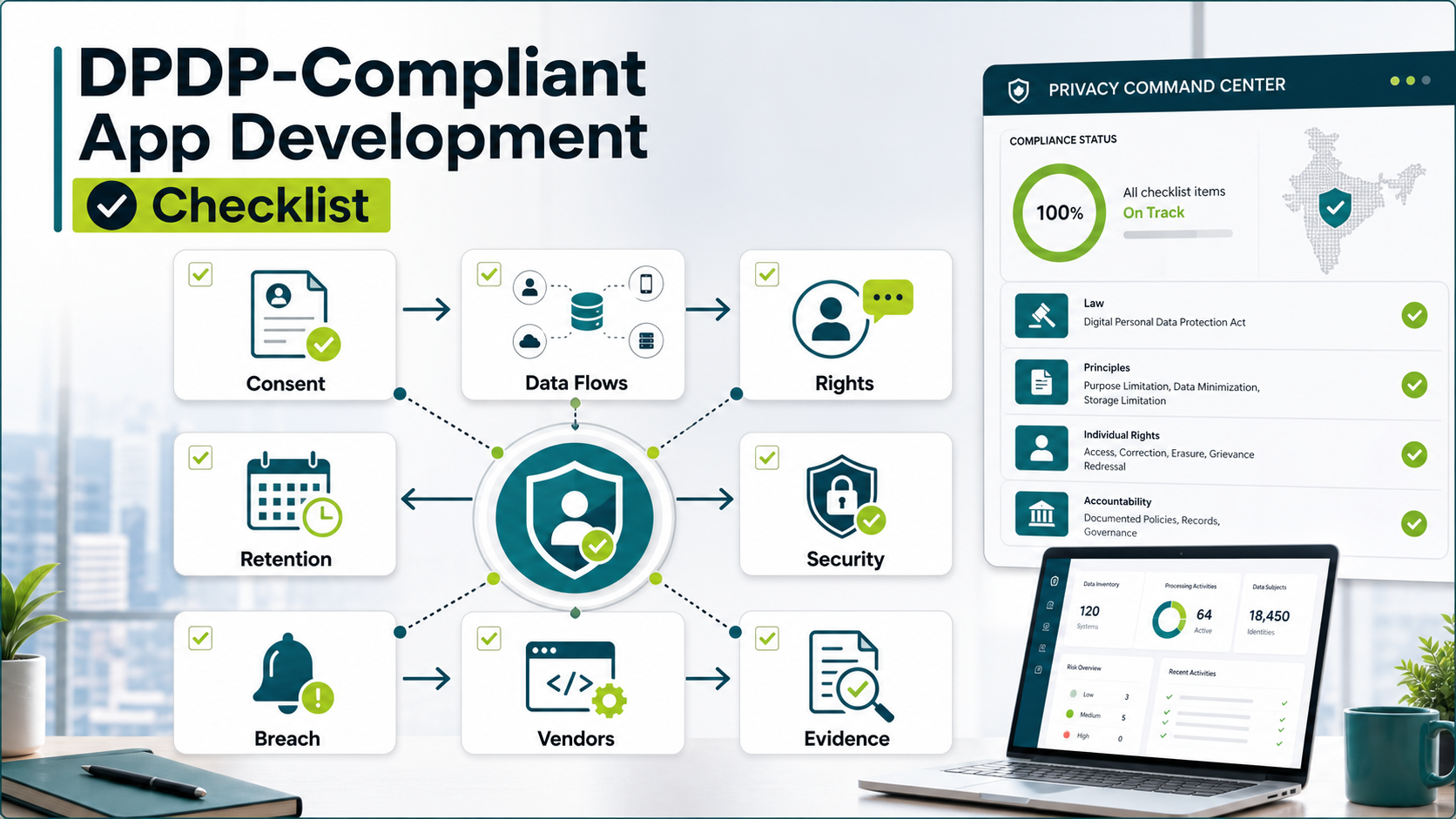
Use this DPDP-compliant app development checklist to plan consent UX, data flows, user rights, retention, security, vendors, breach response, audit evidence, and phased release gates.