Mobile App Architecture Guide For AI-Native, Offline, And Scalable Apps
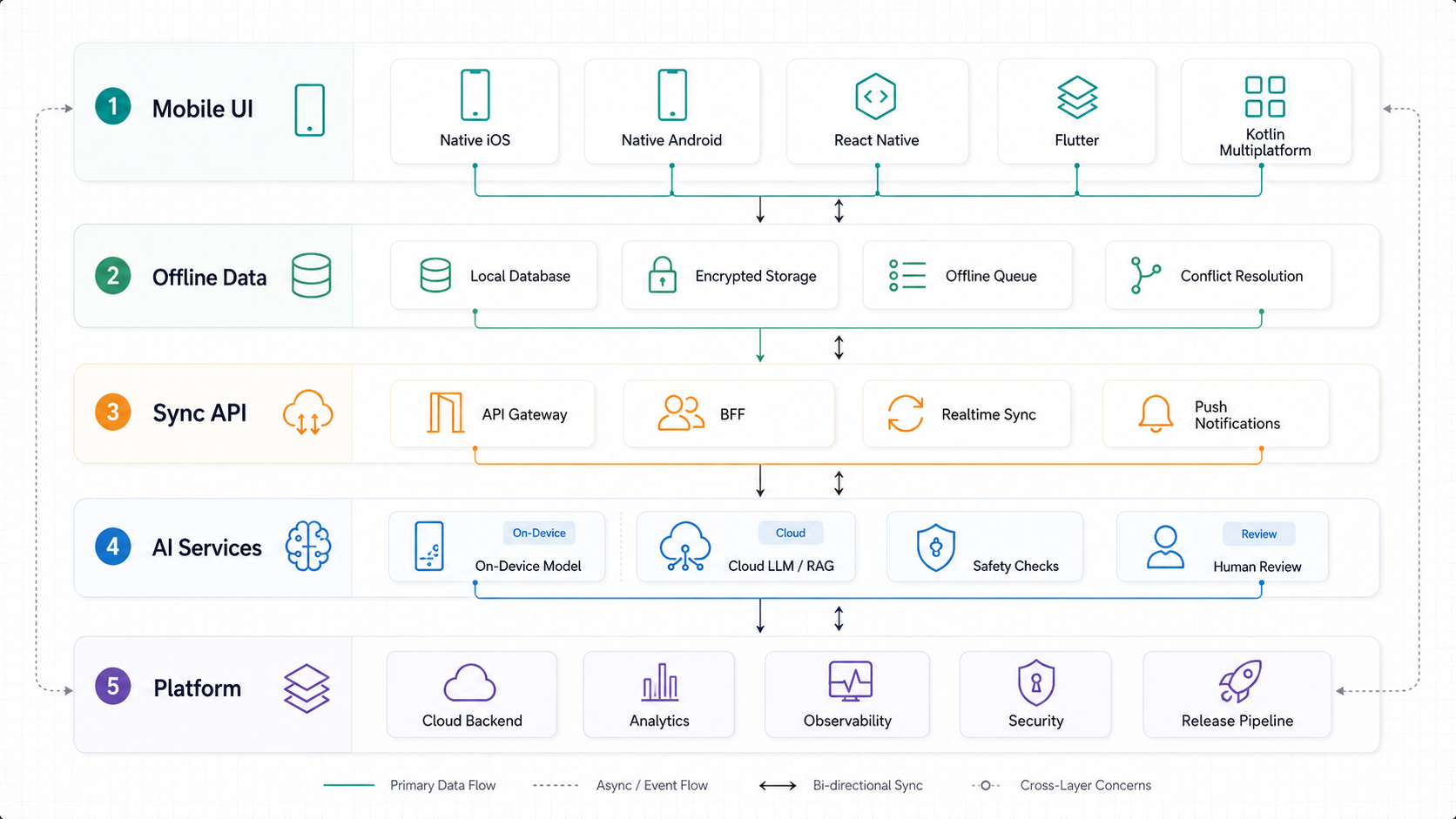
Choose mobile app architecture by mapping client layers, offline sync, backend APIs, AI placement, security, analytics, release gates, and cloud scaling decisions.
Plan mobile app scope, technology, integrations, costs, testing and release readiness.
A useful mobile app plan begins with its users and the core journey, then identifies platform requirements, API dependencies and offline or device-specific behavior.
Compare technology choices against team skills, accessibility, maintenance and release operations. Budget for integration work and quality assurance as well as the screens users see.
Use this collection to work through planning and delivery decisions. The mobile service hub connects related implementation services without replacing the detailed guides.
Showing 1–12 of 38 posts
Choose mobile app architecture by mapping client layers, offline sync, backend APIs, AI placement, security, analytics, release gates, and cloud scaling decisions.
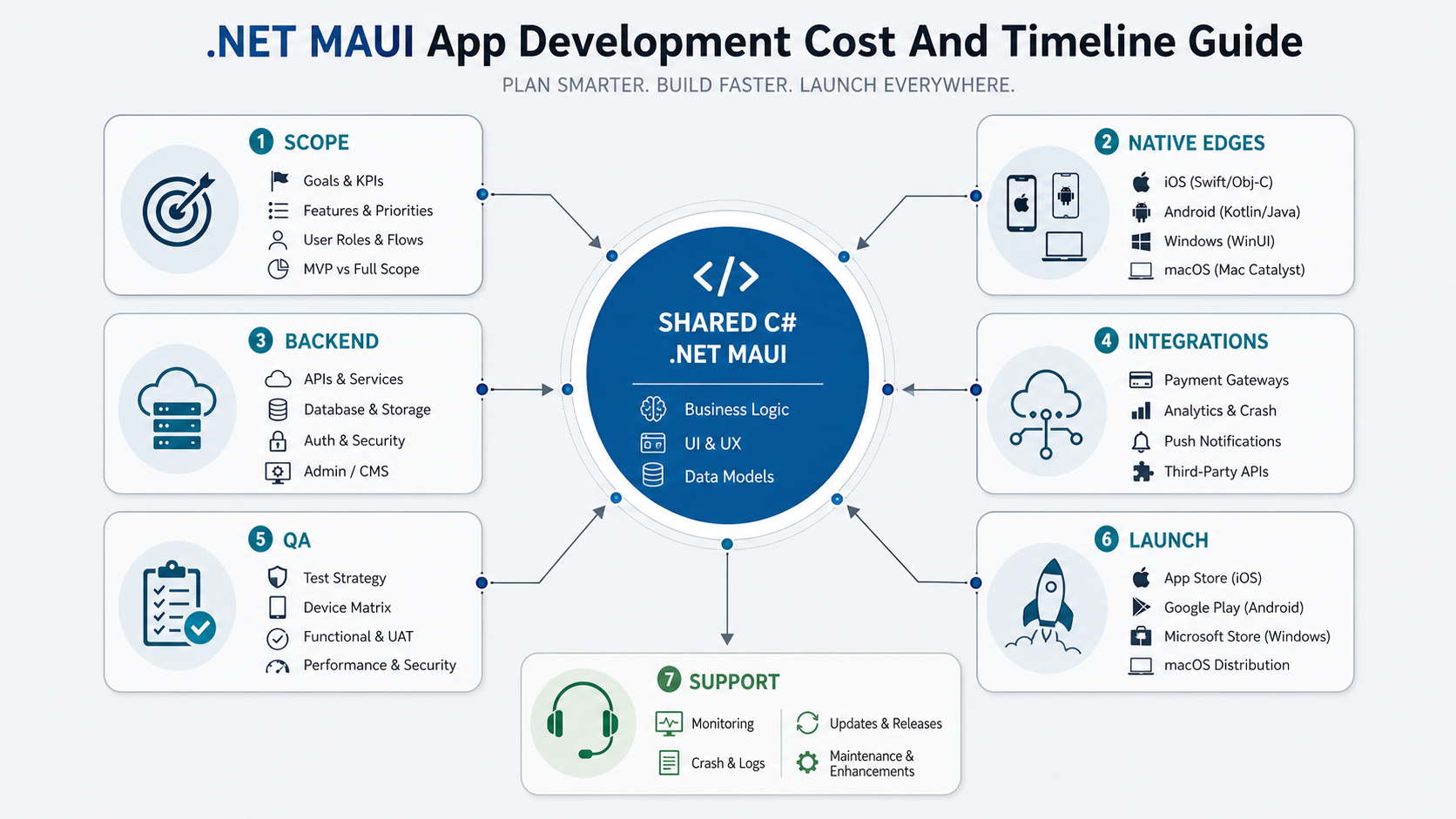
Estimate .NET MAUI app development cost and timeline with scope bands, shared C# reuse, platform targets, native edges, backend APIs, QA, launch, and maintenance.
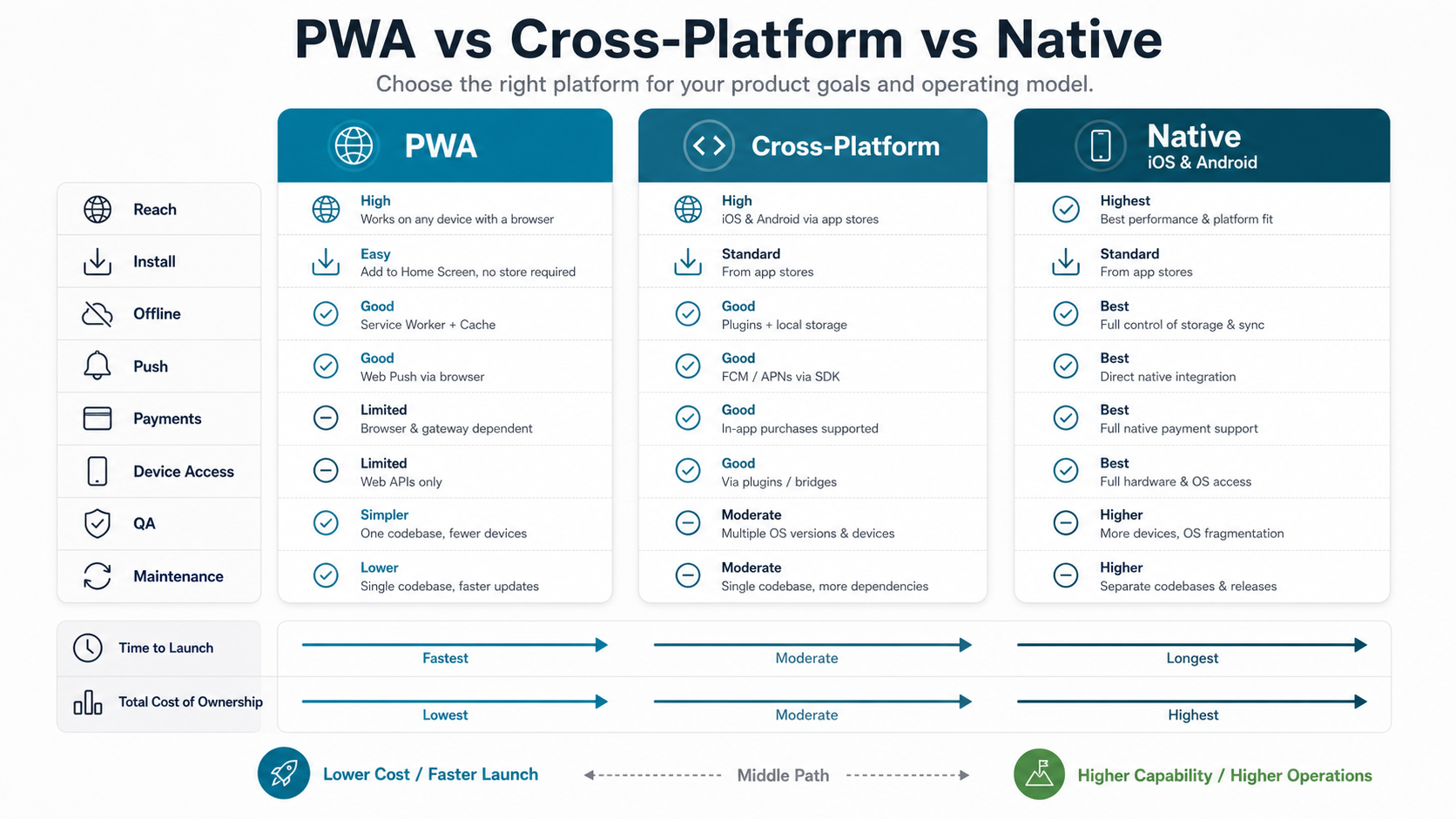
Compare PWA development cost vs native app cost across offline sync, push, payments, device access, QA, release operations, and MVP platform tradeoffs.
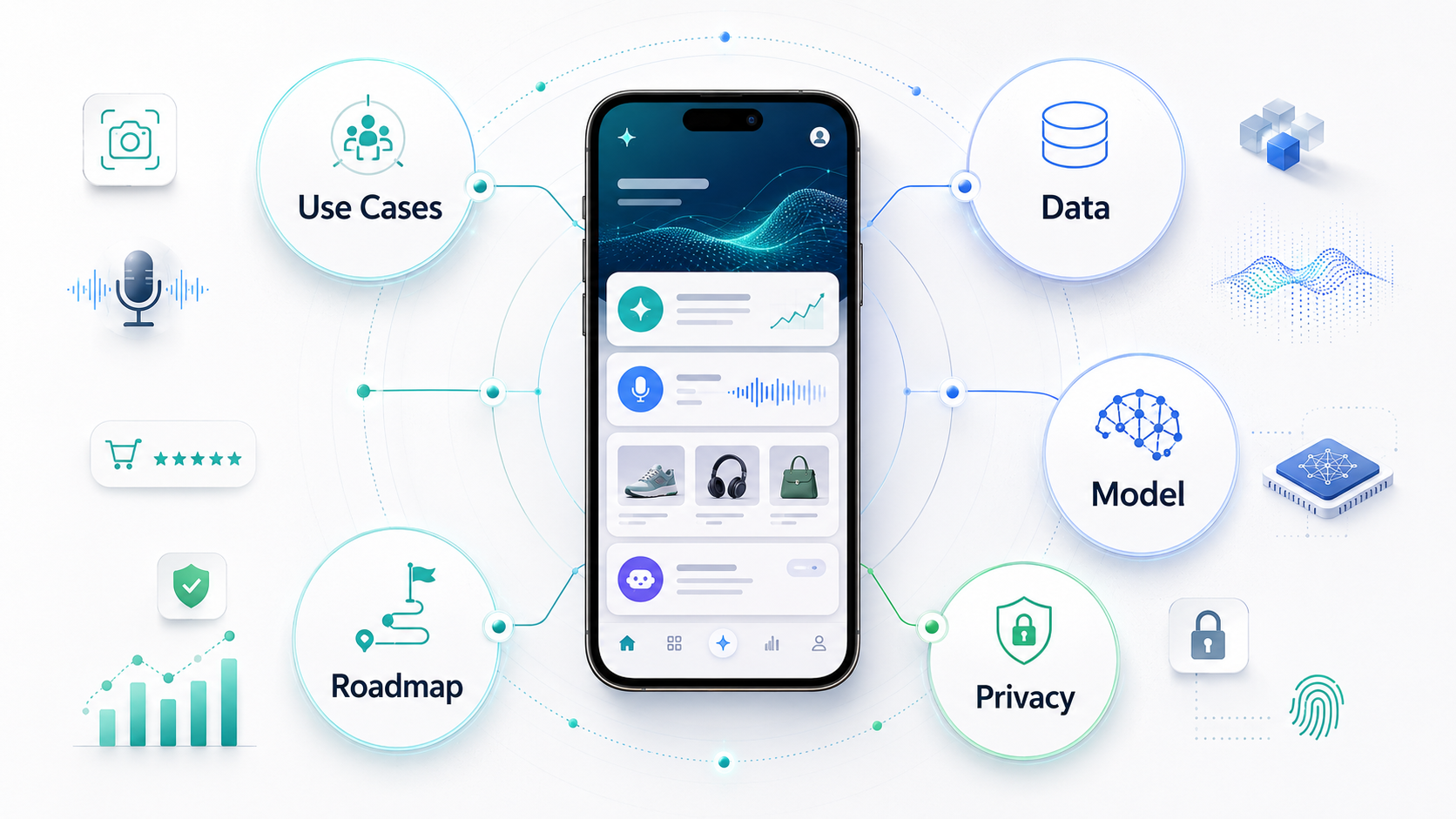
Plan AI features for mobile apps with a practical roadmap for use cases, data readiness, on-device versus cloud AI, build-vs-buy choices, launch controls, and ROI.
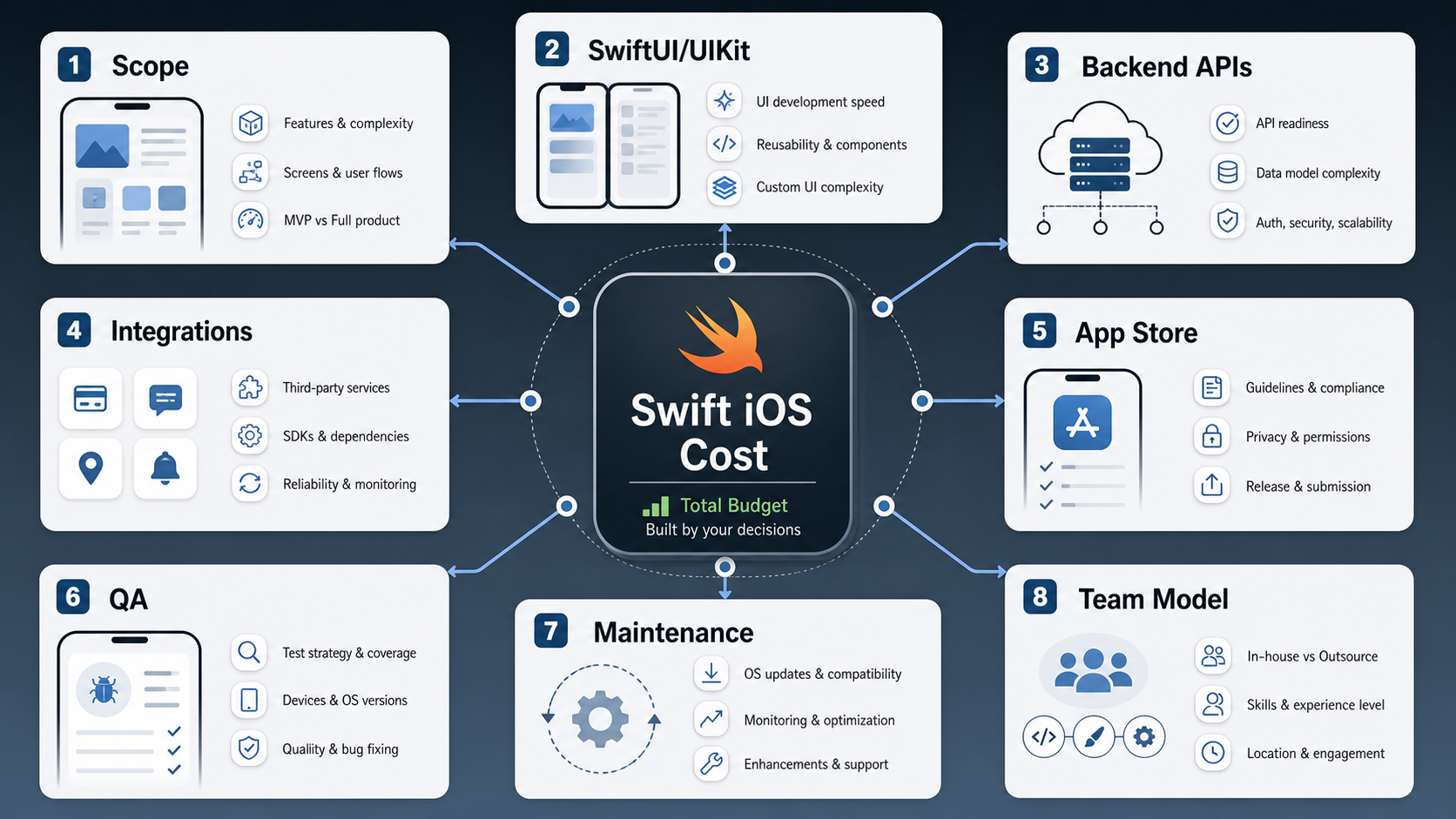
Estimate Swift app development cost with native iOS scope bands, SwiftUI/UIKit choices, backend APIs, integrations, App Store launch, QA, team model, and maintenance.
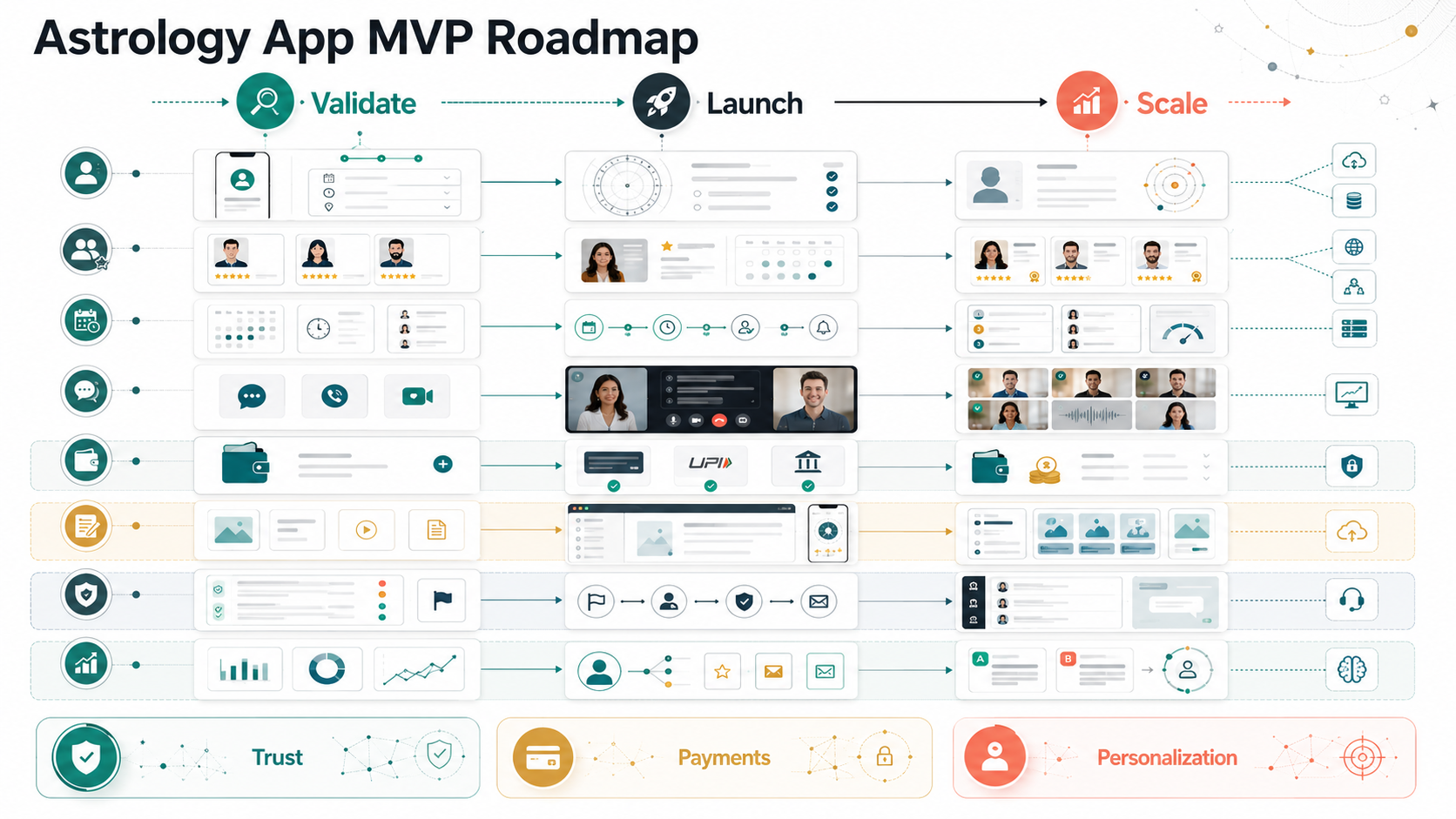
Plan astrology app features for an MVP with booking, astrologer profiles, wallet payments, chat or video sessions, content CMS, moderation, analytics, and personalization.
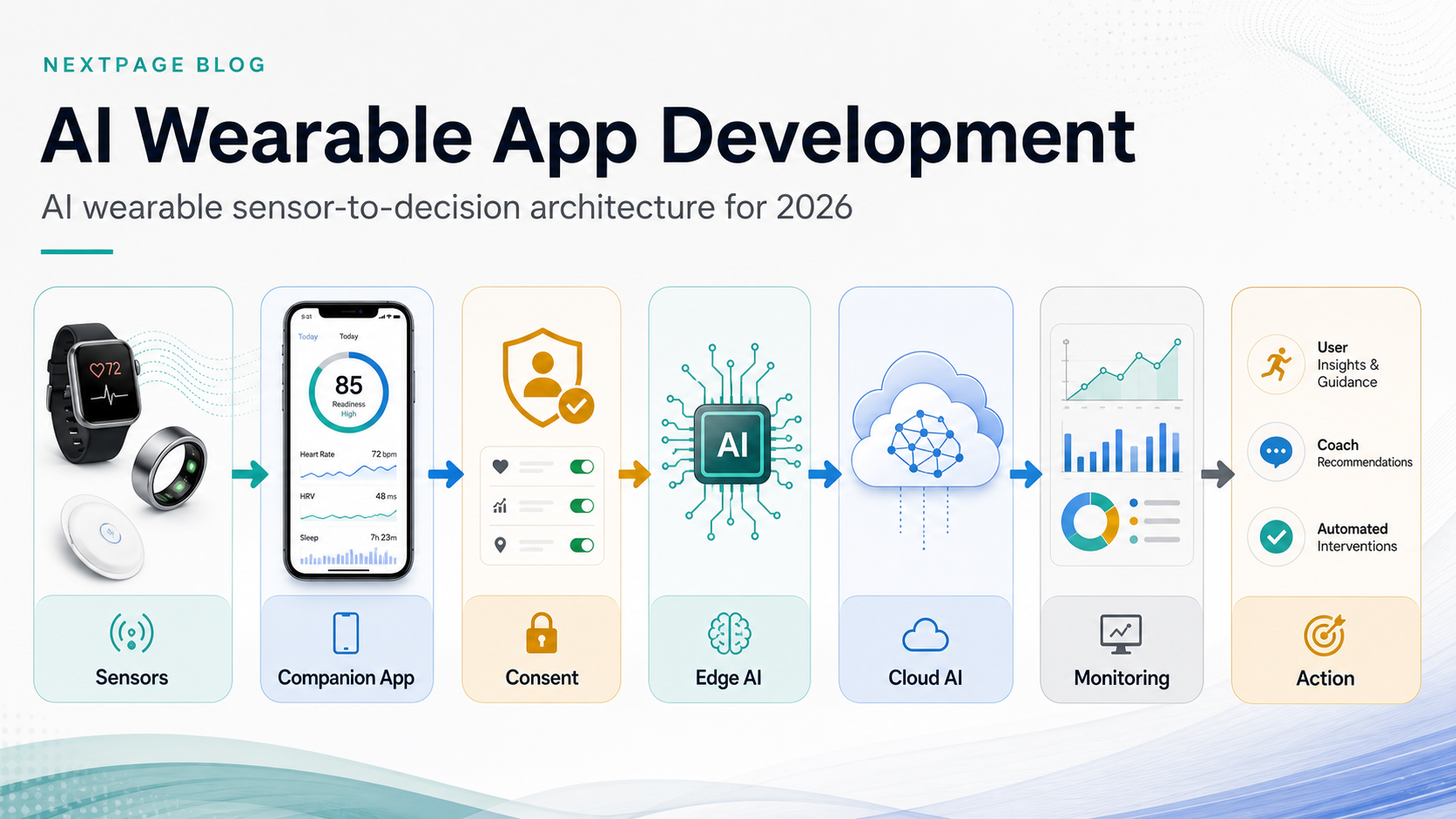
Plan AI wearable app development with sensor fusion, HealthKit and Health Connect privacy, edge vs cloud inference, MVP scope, validation gates, and architecture tradeoffs.
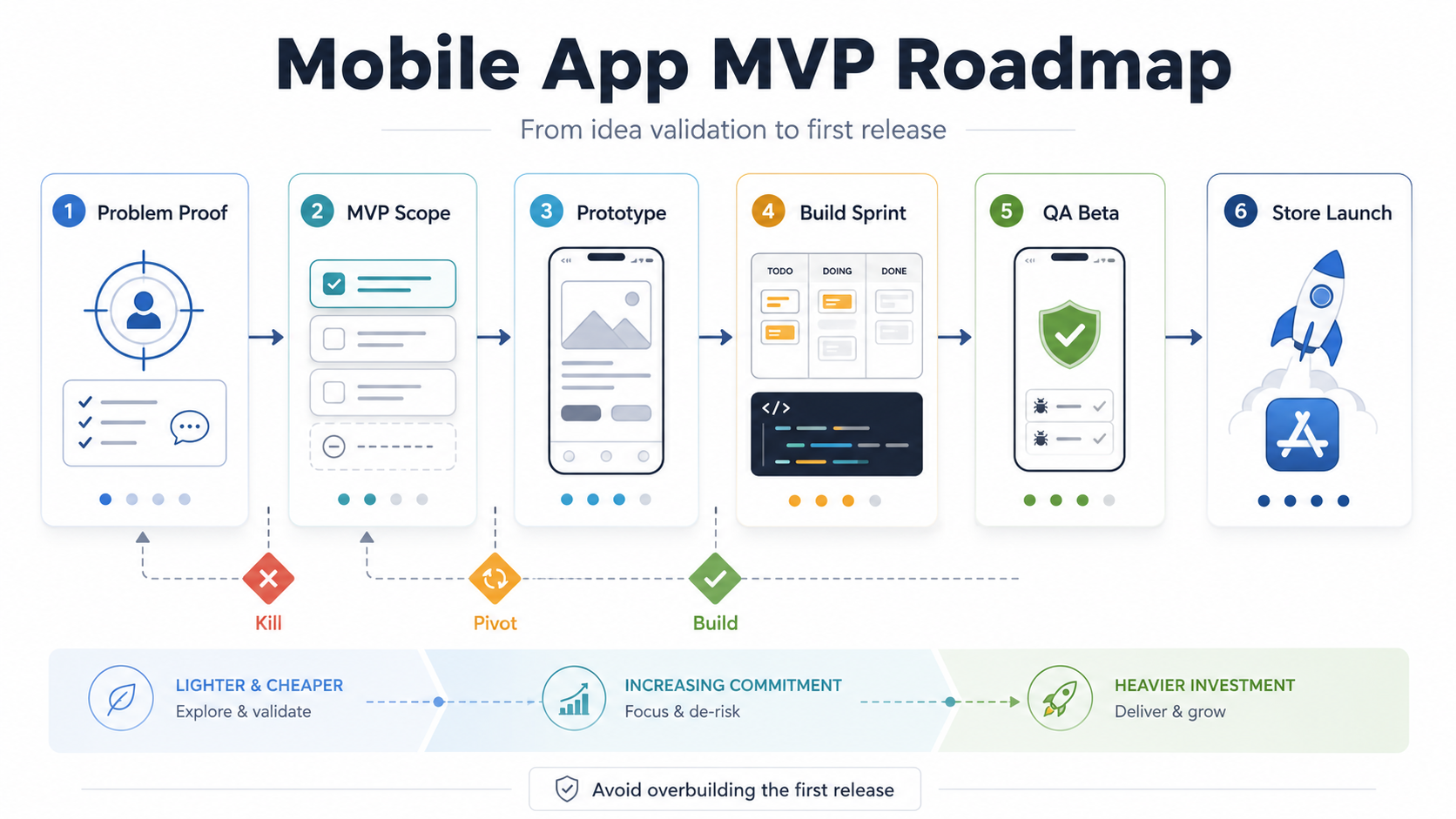
Plan a mobile app MVP roadmap with validation gates, scope controls, prototype decisions, platform choices, QA evidence, launch readiness, and iteration metrics.
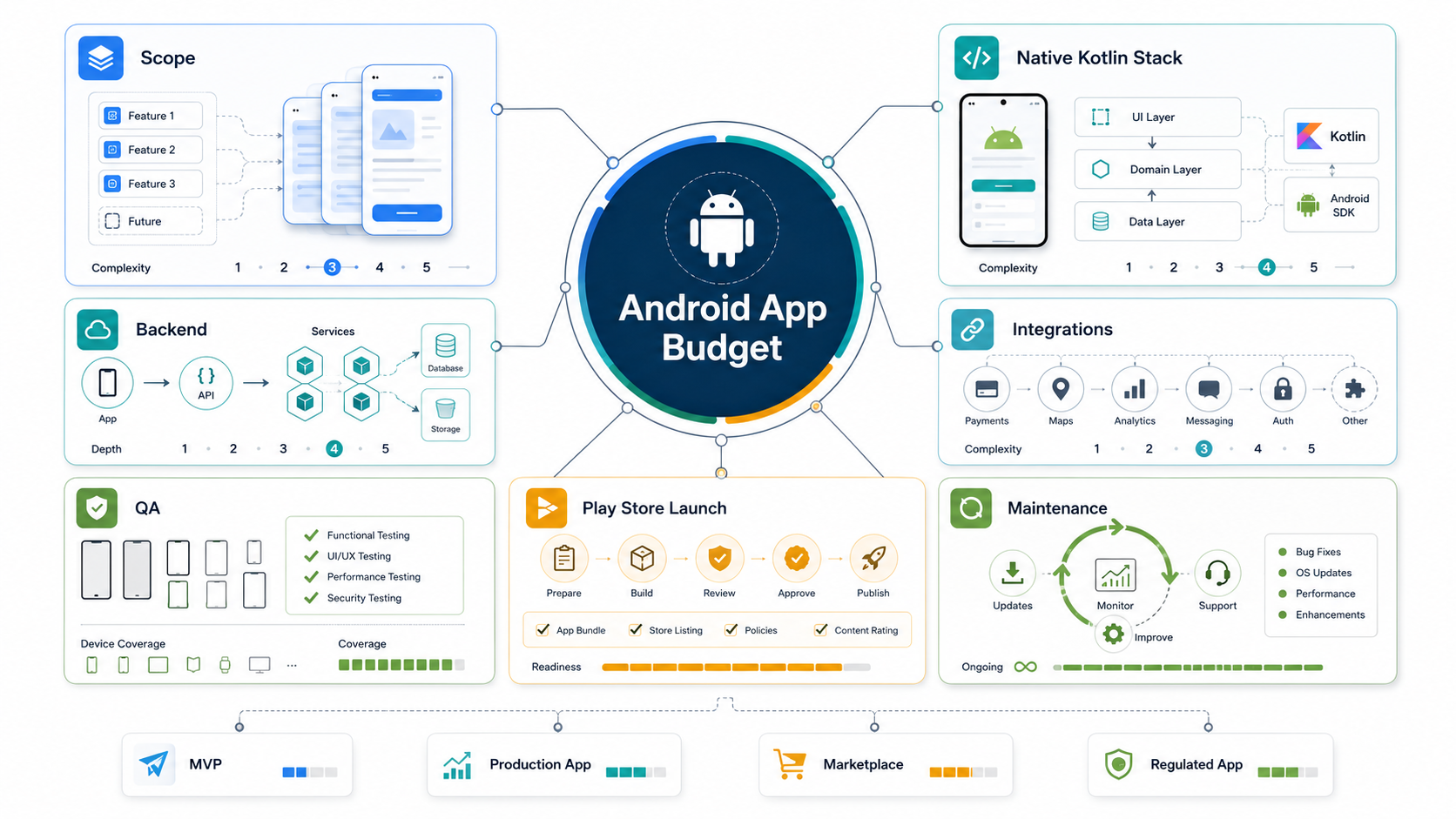
Estimate Android app development cost by MVP scope, Kotlin/native stack, backend, integrations, device QA, Play Store launch, security, and maintenance.
Estimate mobile app development cost in 2026 by scope, platform, features, team model, backend depth, integrations, QA, launch, maintenance, and risk reserve.
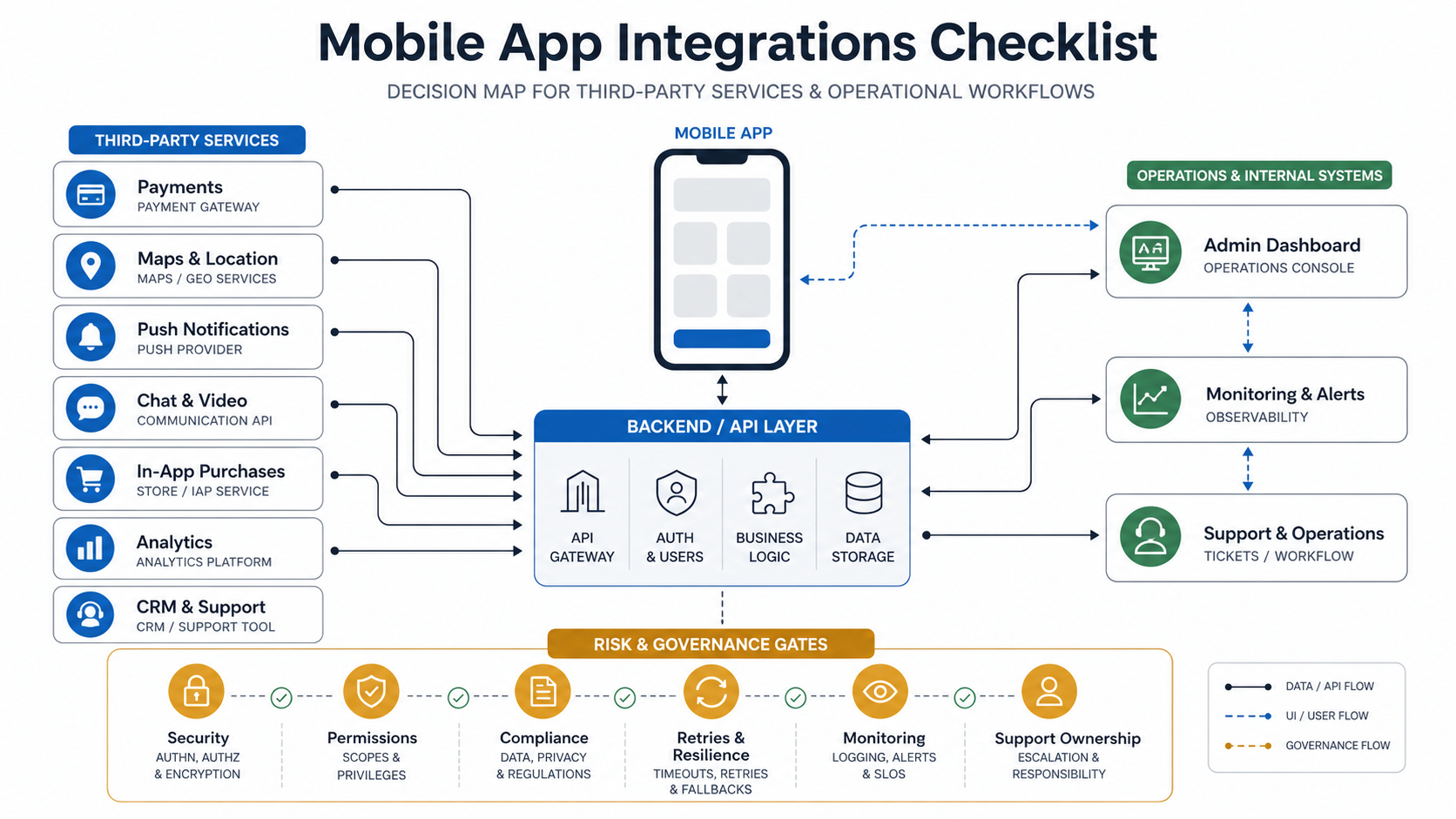
Prioritize mobile app integrations with a practical checklist for payments, maps, push, chat, video, subscriptions, SDK policy, backend ownership, QA, vendor readiness, and MVP scope.
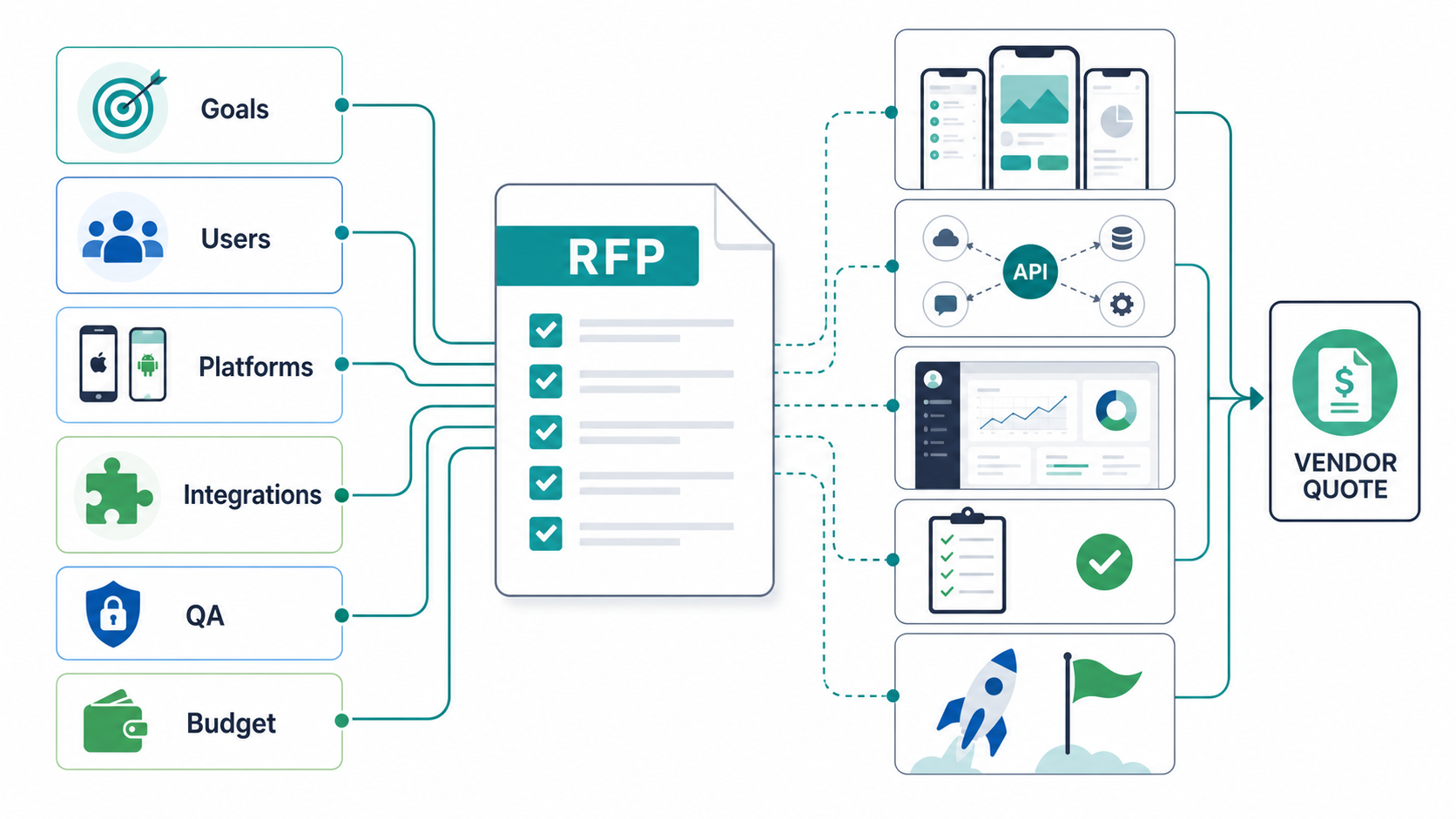
Use this mobile app development RFP checklist to define scope, compare vendors, score proposals, clarify pricing, map integration risk, plan QA evidence, and avoid quote-stage red flags.