Software QA Budget Guide: Manual, Automation, Performance, Security, And Release Risk Costs
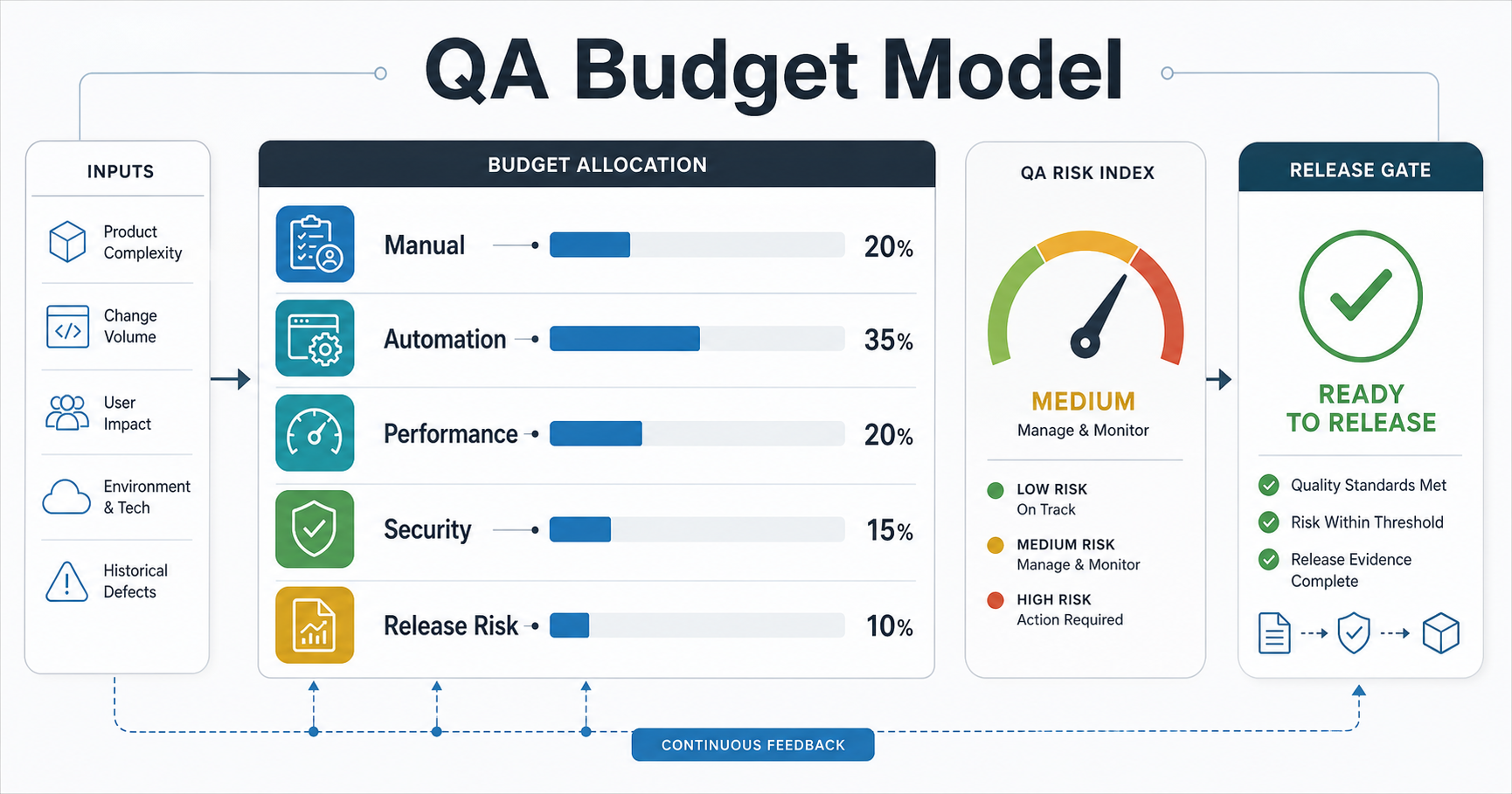
Plan a 2026 software QA budget by release risk, manual testing, automation ROI, AI-assisted QA, performance, security, release evidence, and governance.
Published NextPage articles about Software Testing.
Showing 1–12 of 19 posts
Plan a 2026 software QA budget by release risk, manual testing, automation ROI, AI-assisted QA, performance, security, release evidence, and governance.
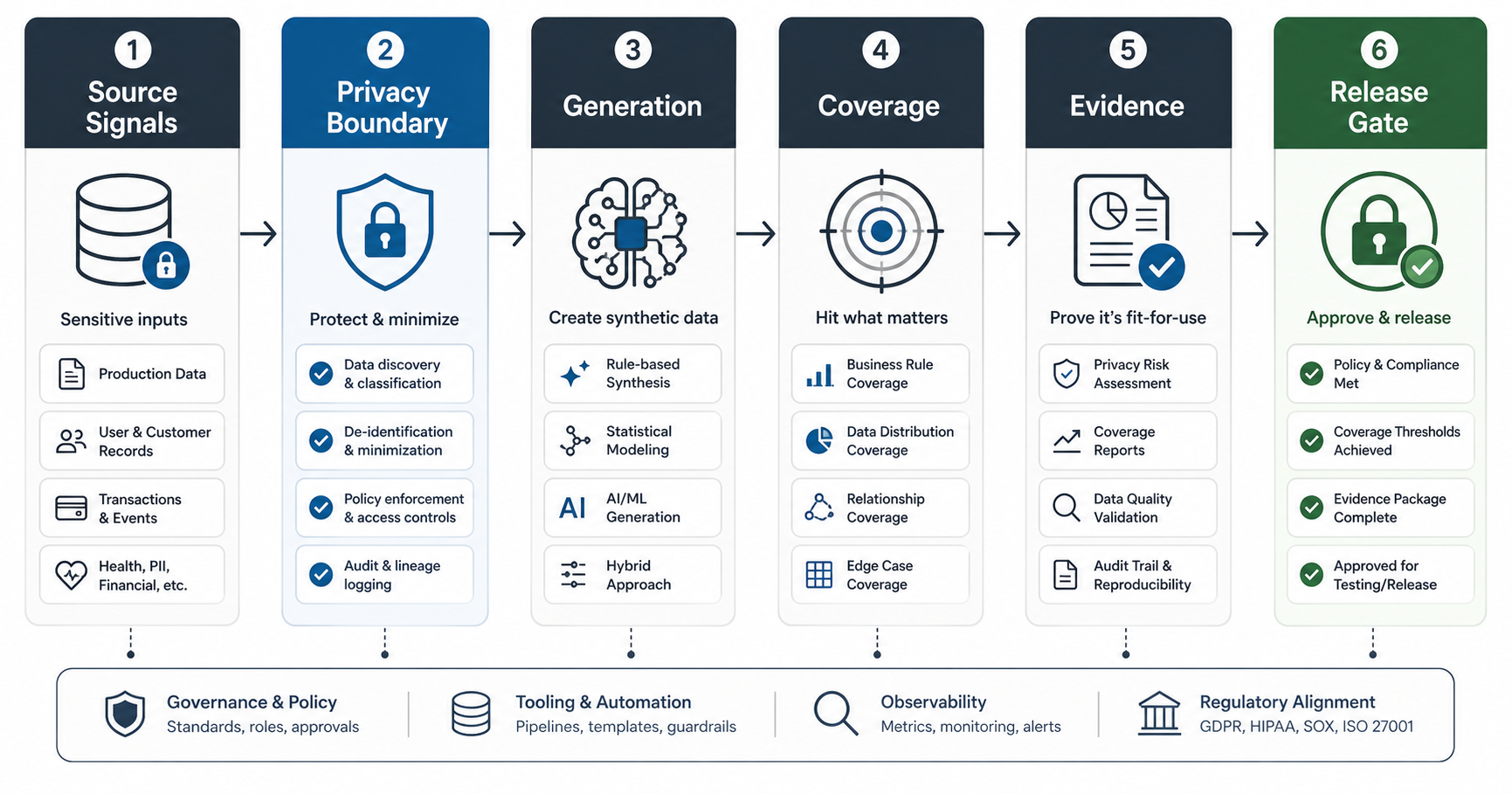
Build a synthetic test data strategy for regulated software with privacy controls, leakage checks, generation methods, coverage proof, release evidence, and QA governance.
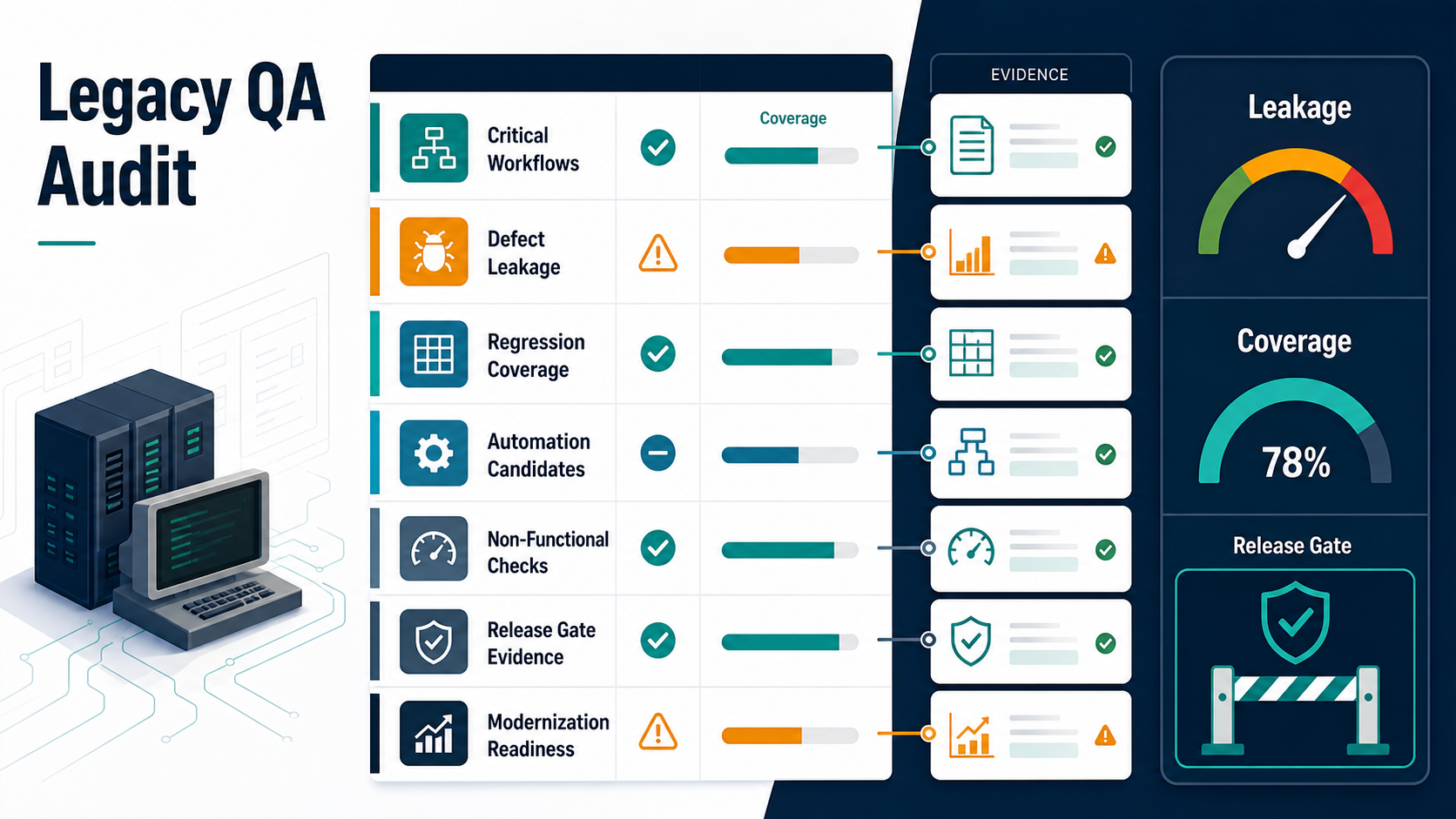
Use this legacy software QA audit checklist to score workflow risk, defect leakage, regression coverage, automation candidates, release gates, and modernization readiness.
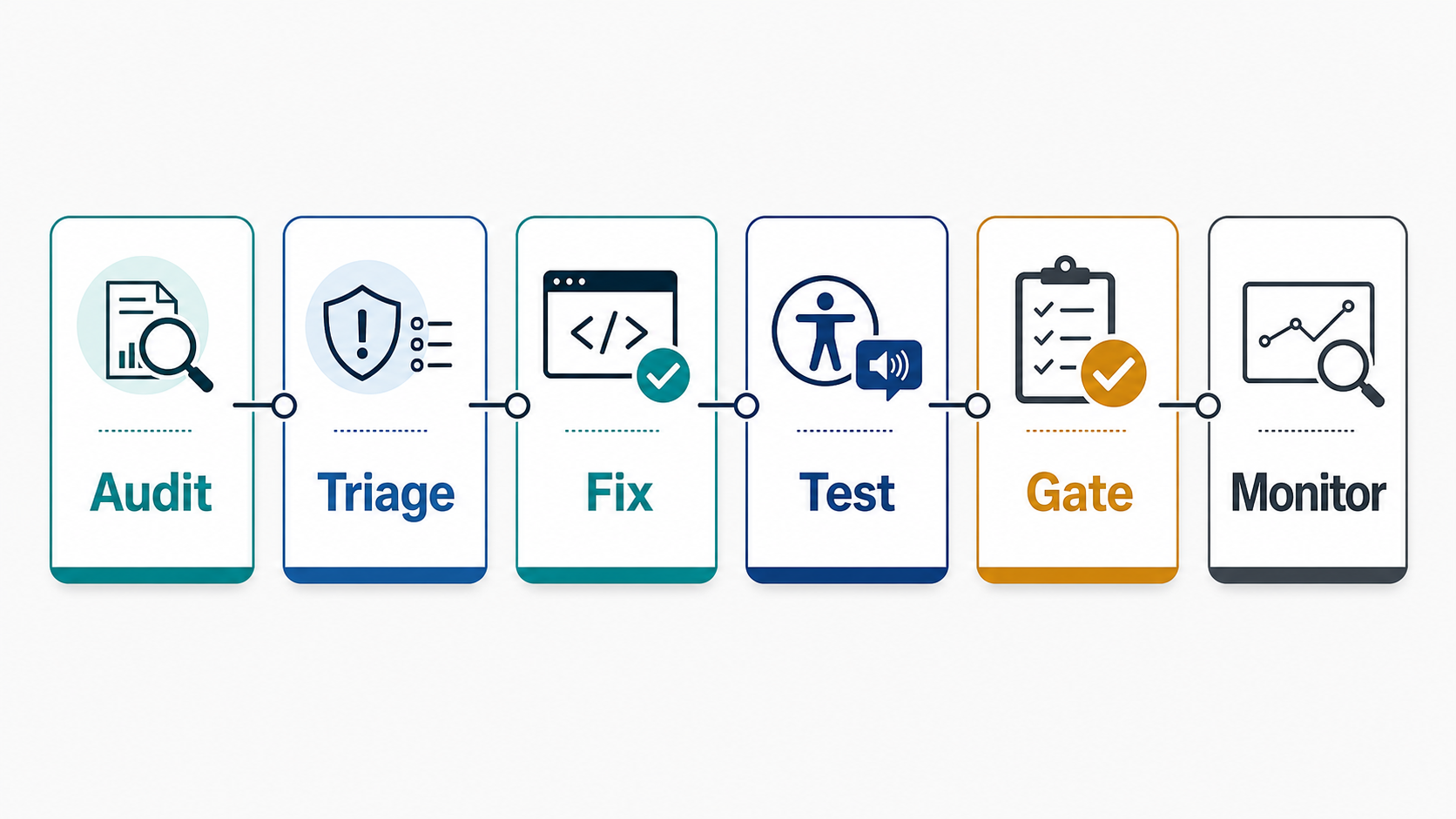
Use this 2026 accessibility remediation roadmap to prioritize WCAG 2.2 fixes, EAA risk, WCAG2ICT mobile/software checks, QA evidence, release gates, and regression governance.
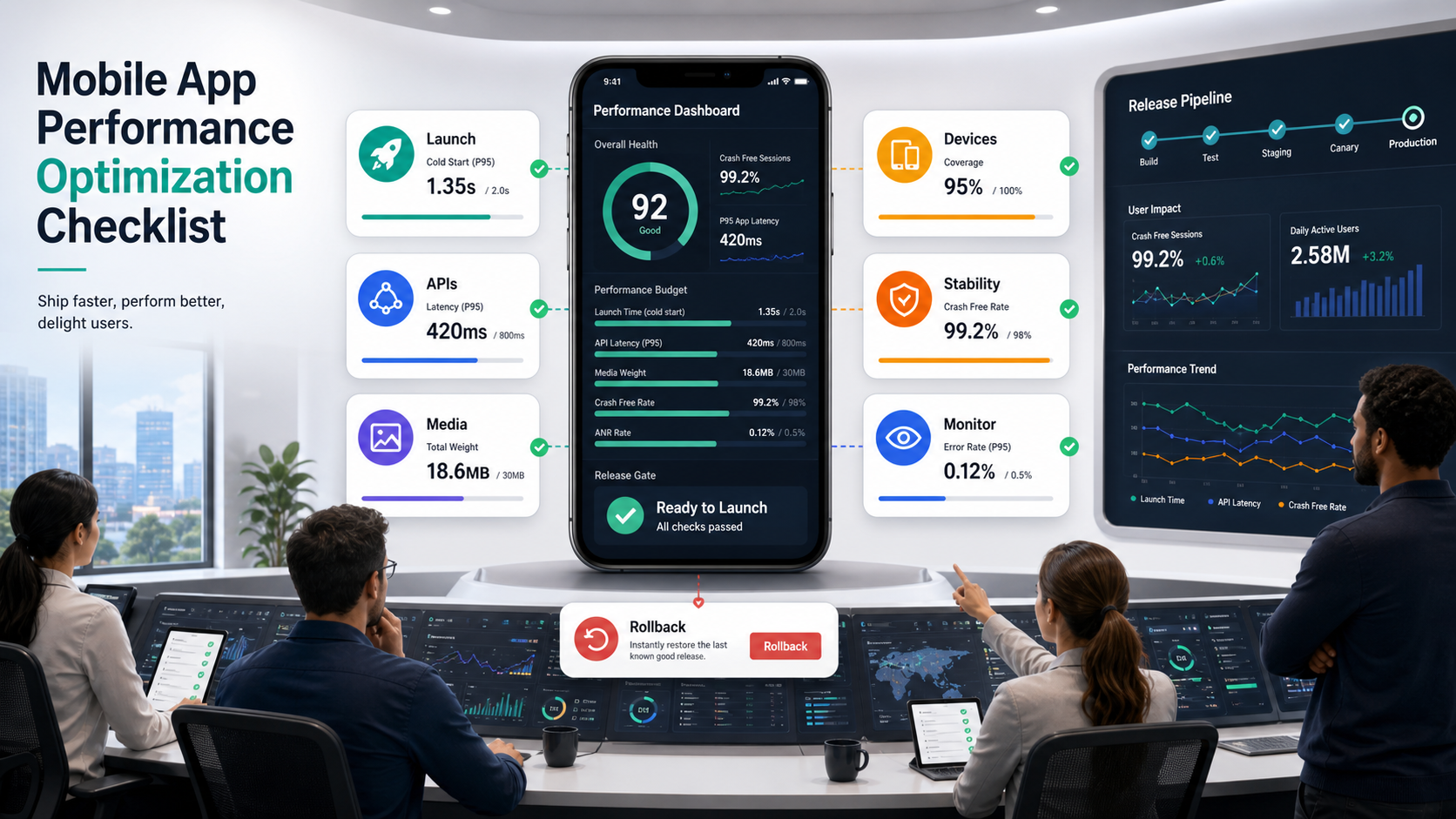
Use this 2026 mobile app performance optimization checklist to set budgets for launch speed, APIs, media, Android vitals, wake locks, QA evidence, release gates, monitoring, and rollback.
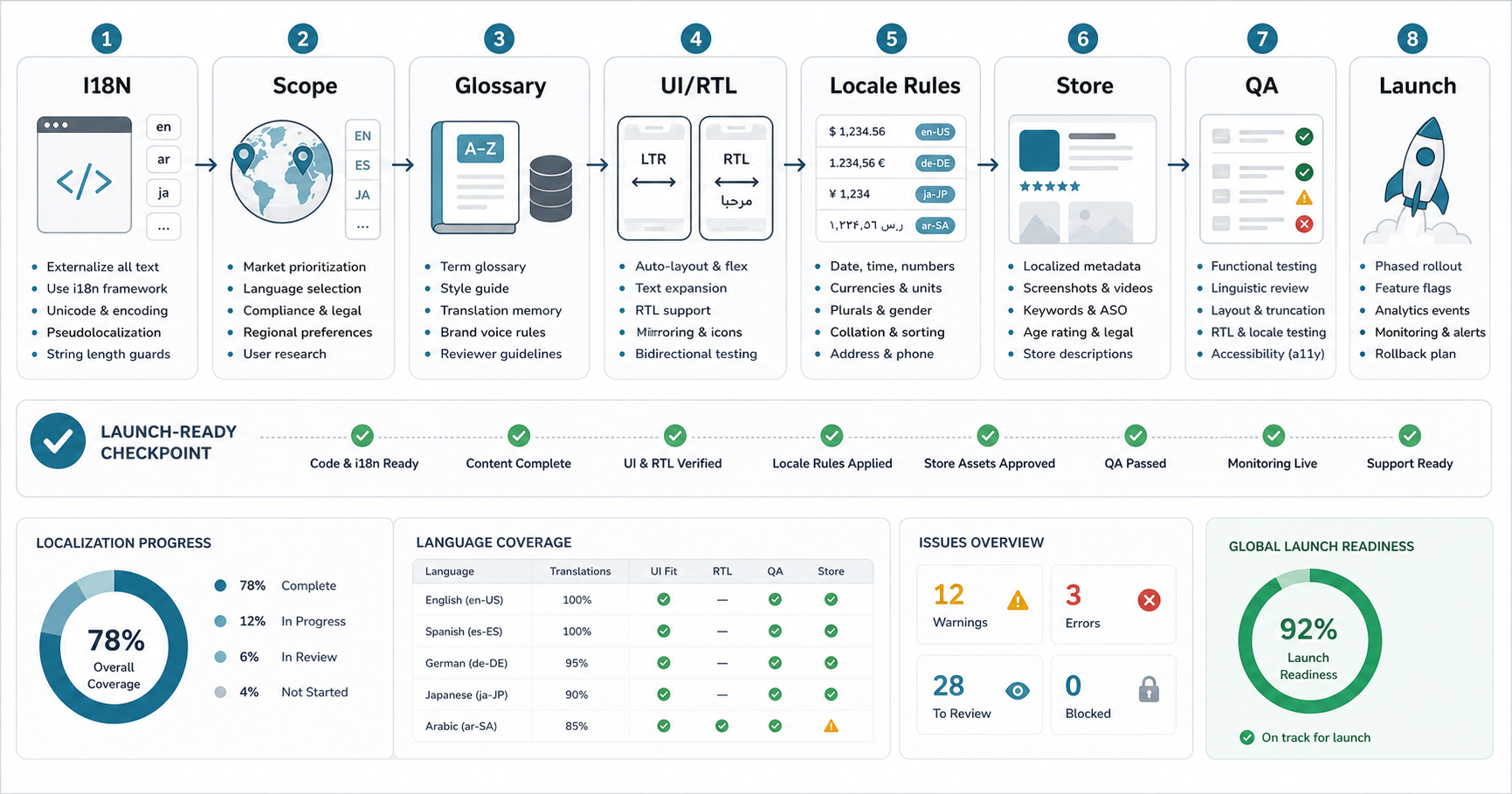
Plan a global app release with a localization checklist for store listings, screenshots, in-app QA, release owners, evidence, and market signoff.
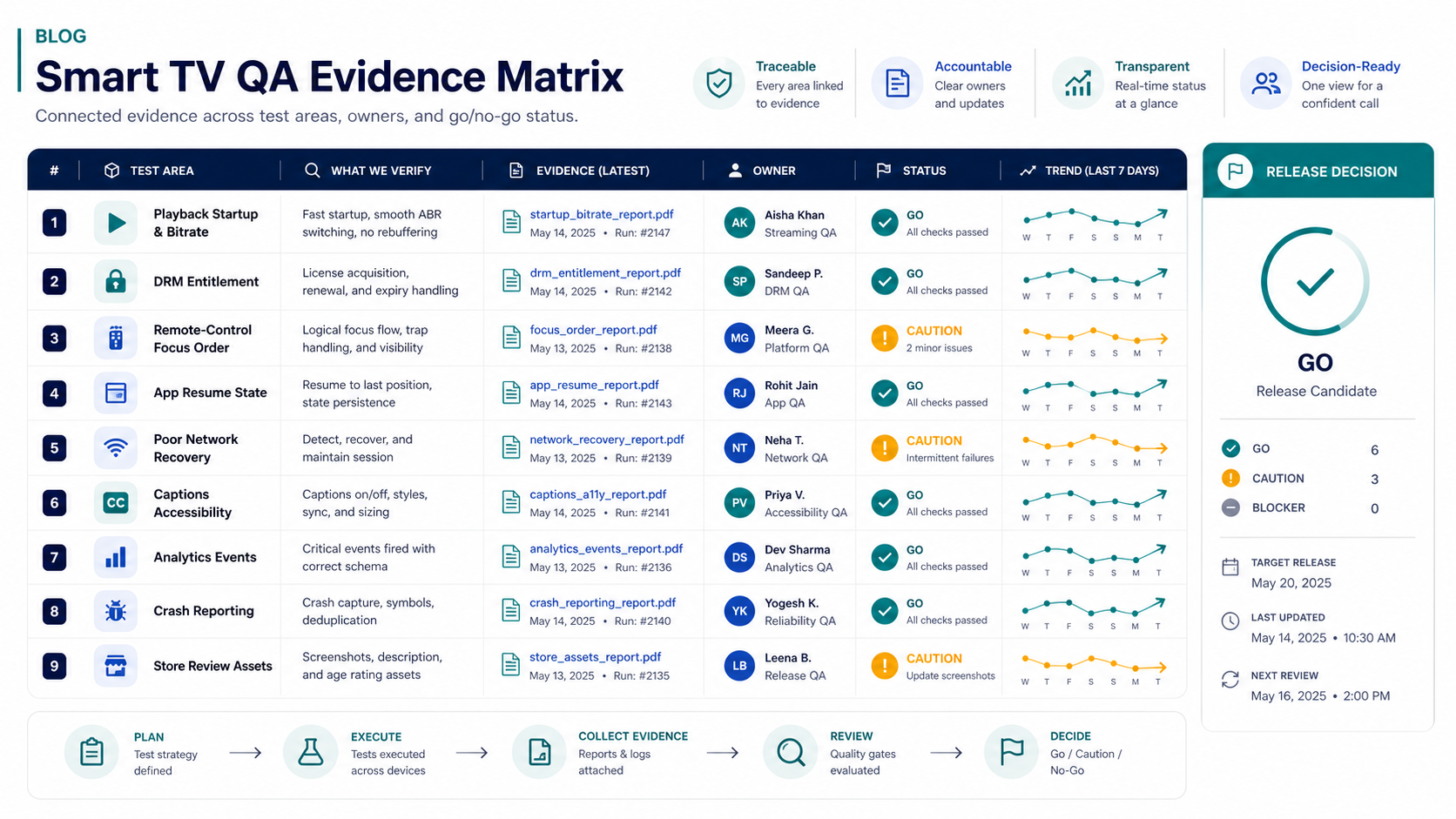
Use this smart TV app testing checklist to validate playback, remote UX, DRM, captions, analytics, certification evidence, device coverage, store approval, and launch monitoring.
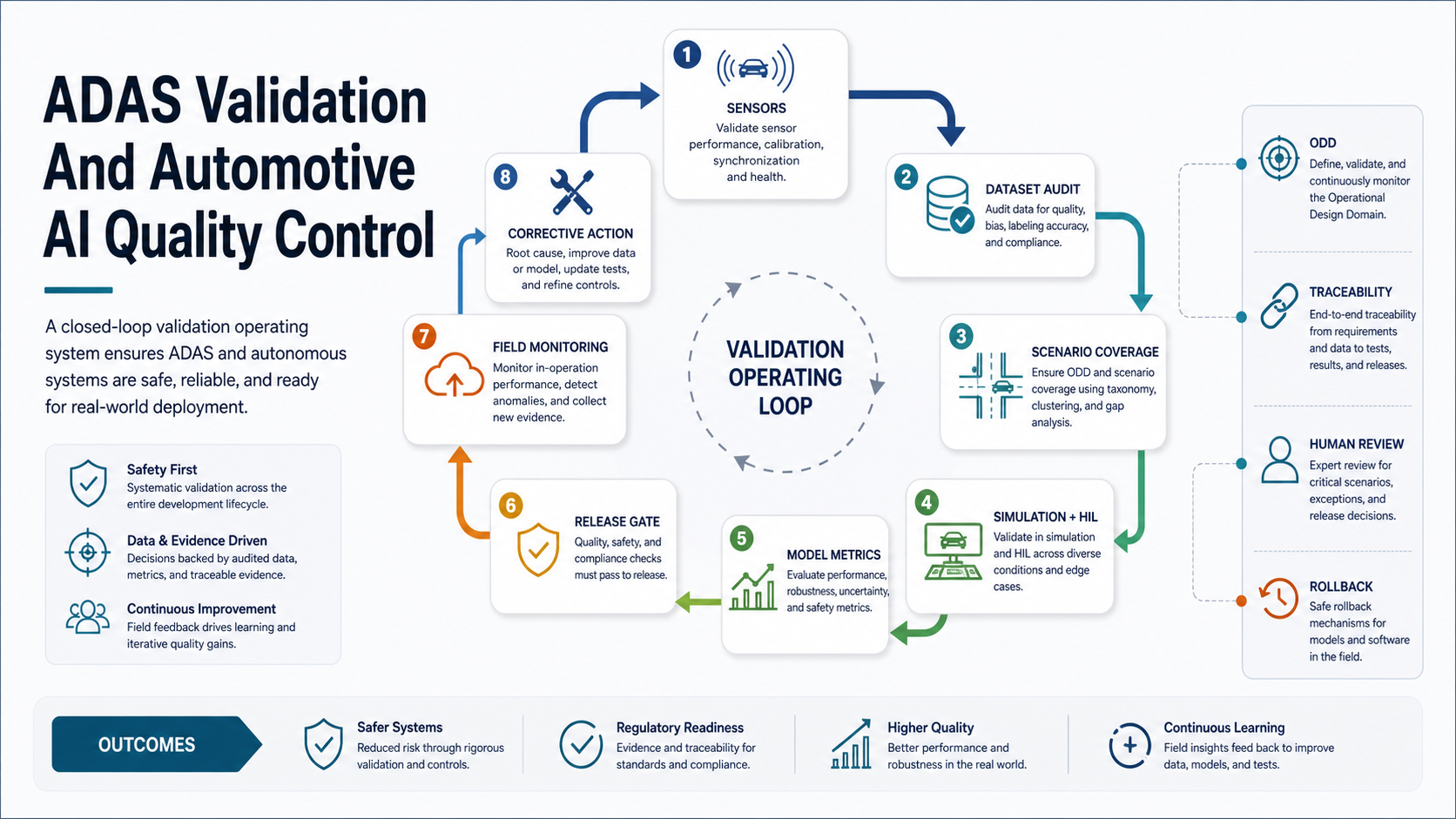
Build an ADAS validation and automotive AI quality control roadmap with ODD definition, scenario evidence, visual inspection QA, SOTIF-aware release gates, edge/cloud monitoring, and drift controls.
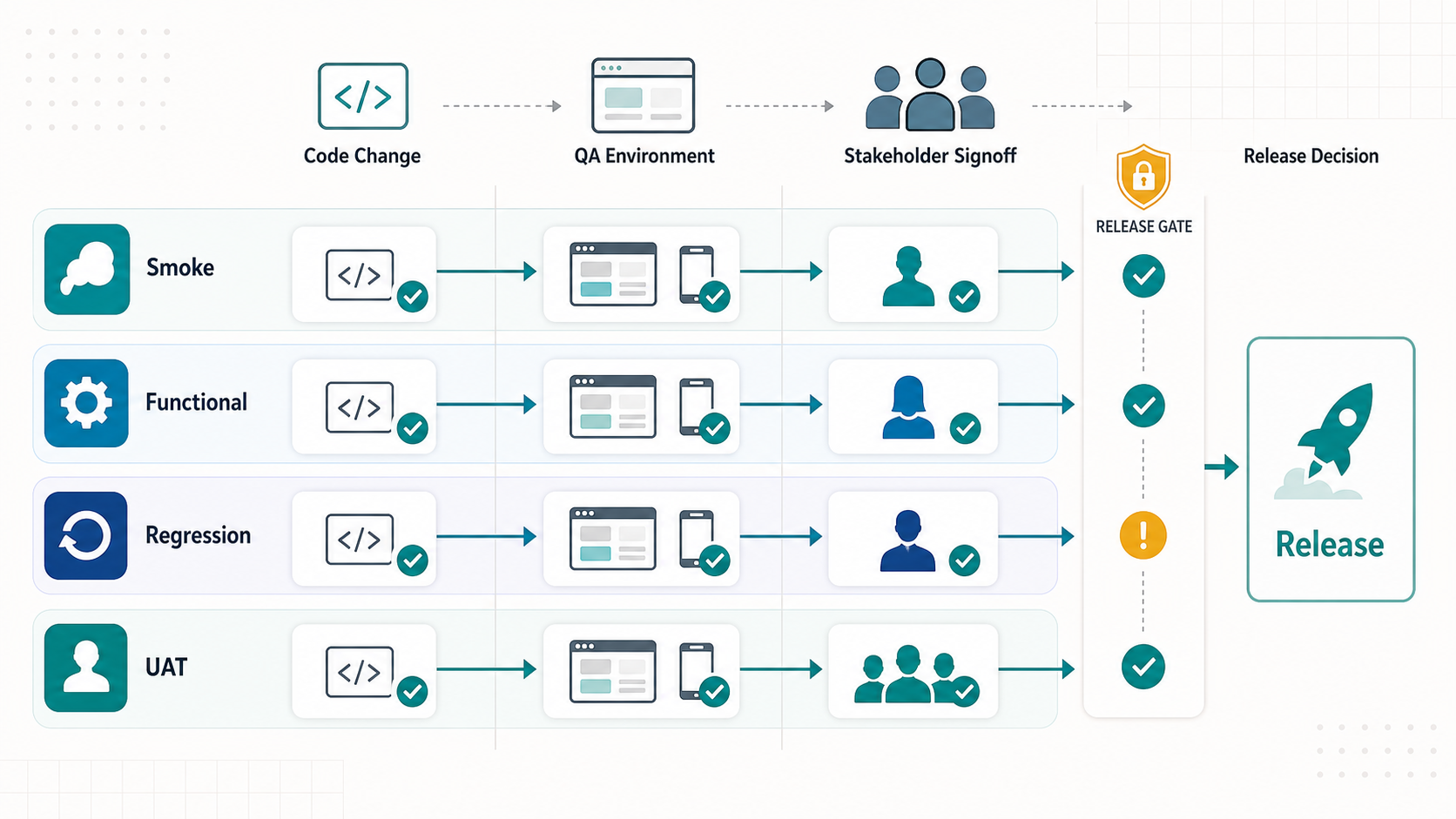
Compare UAT, regression, and functional testing with one worked example, clear owners, release evidence, and a practical signoff checklist.
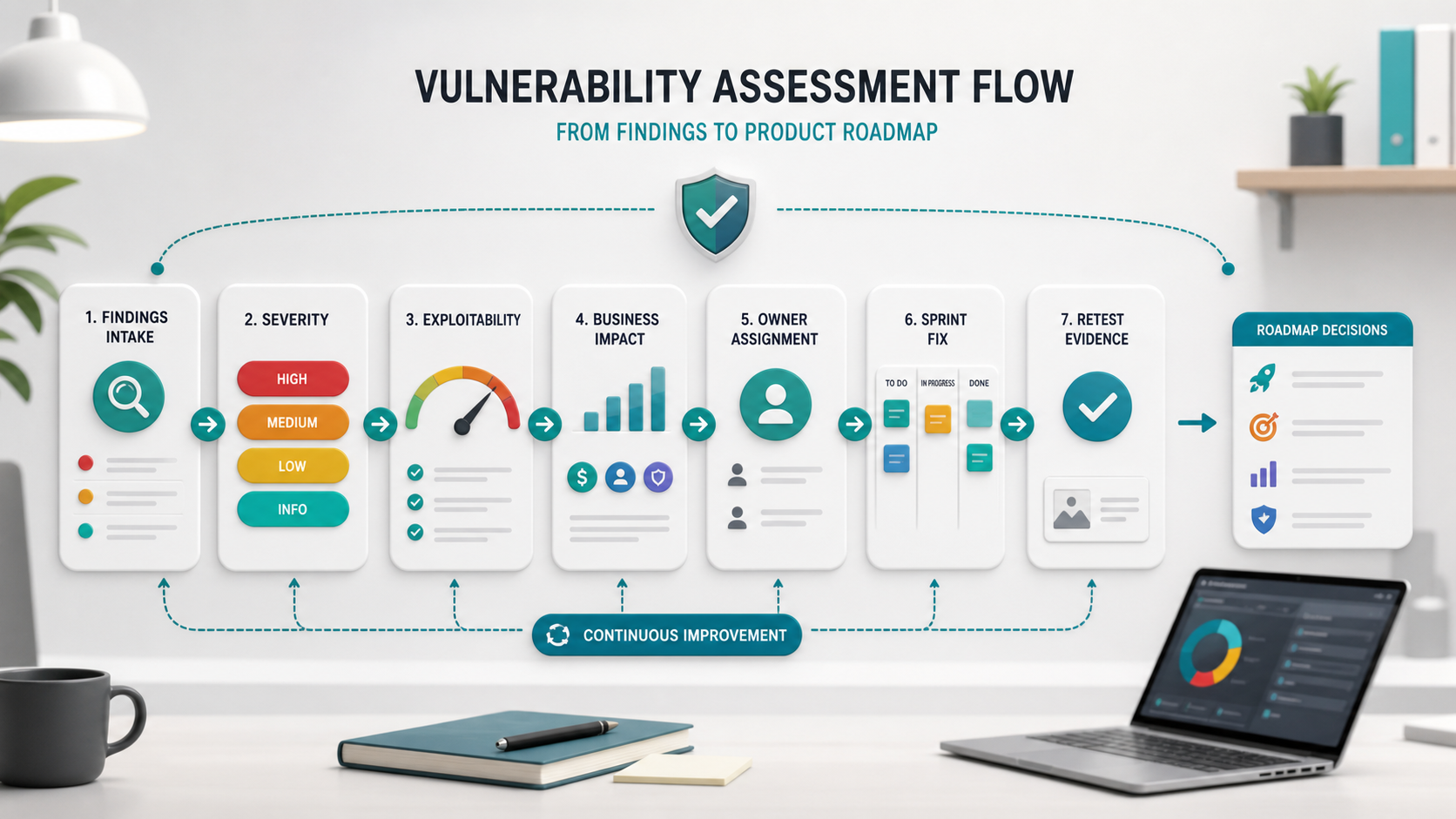
Use this OWASP vulnerability assessment guide to scope testing, triage findings, assign owners, verify fixes, and turn retest evidence into secure SDLC action.
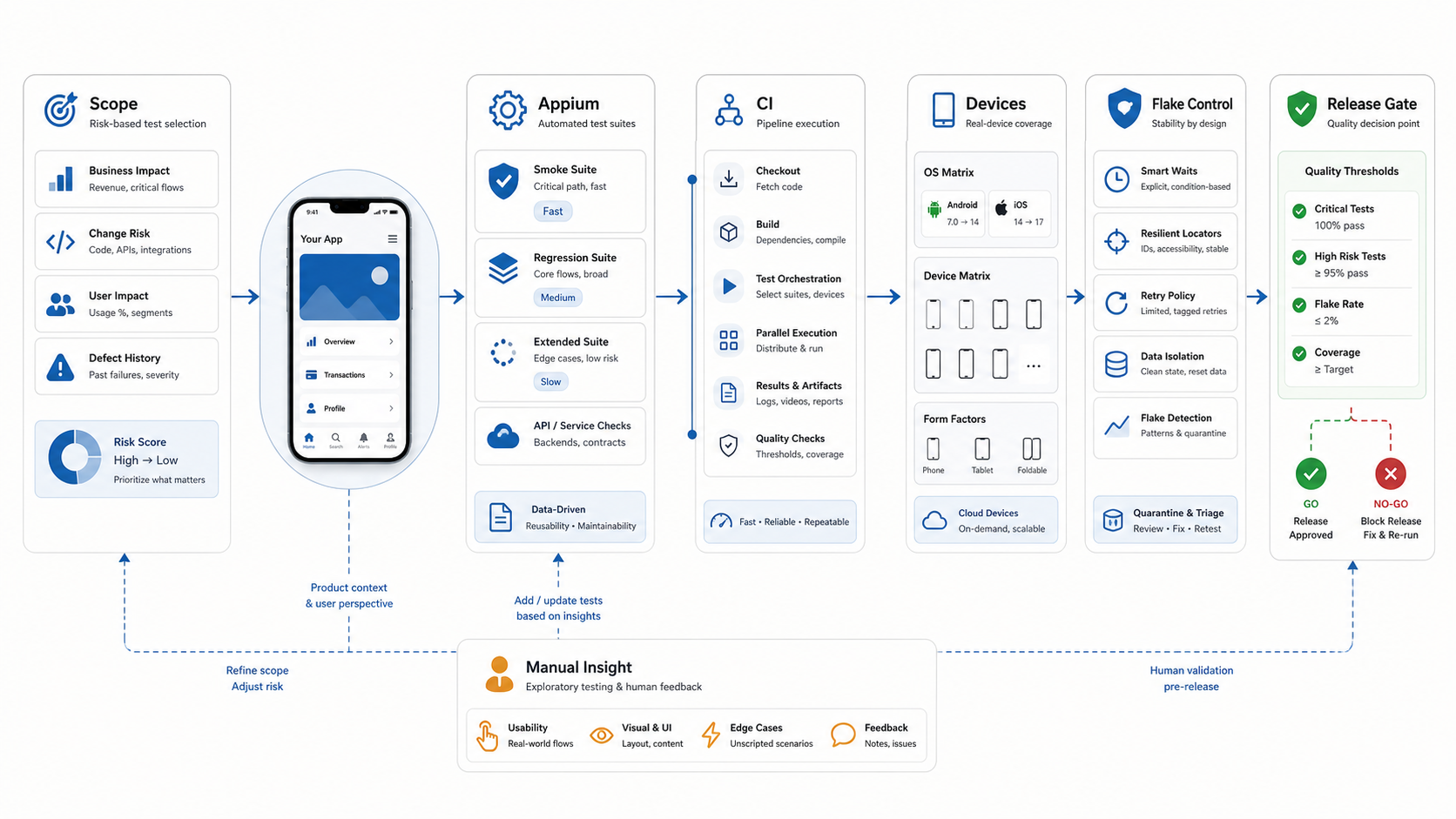
Plan mobile test automation with Appium 3, CI release gates, real-device coverage, flaky-test control, smoke checks, regression suites, UAT, and manual QA.
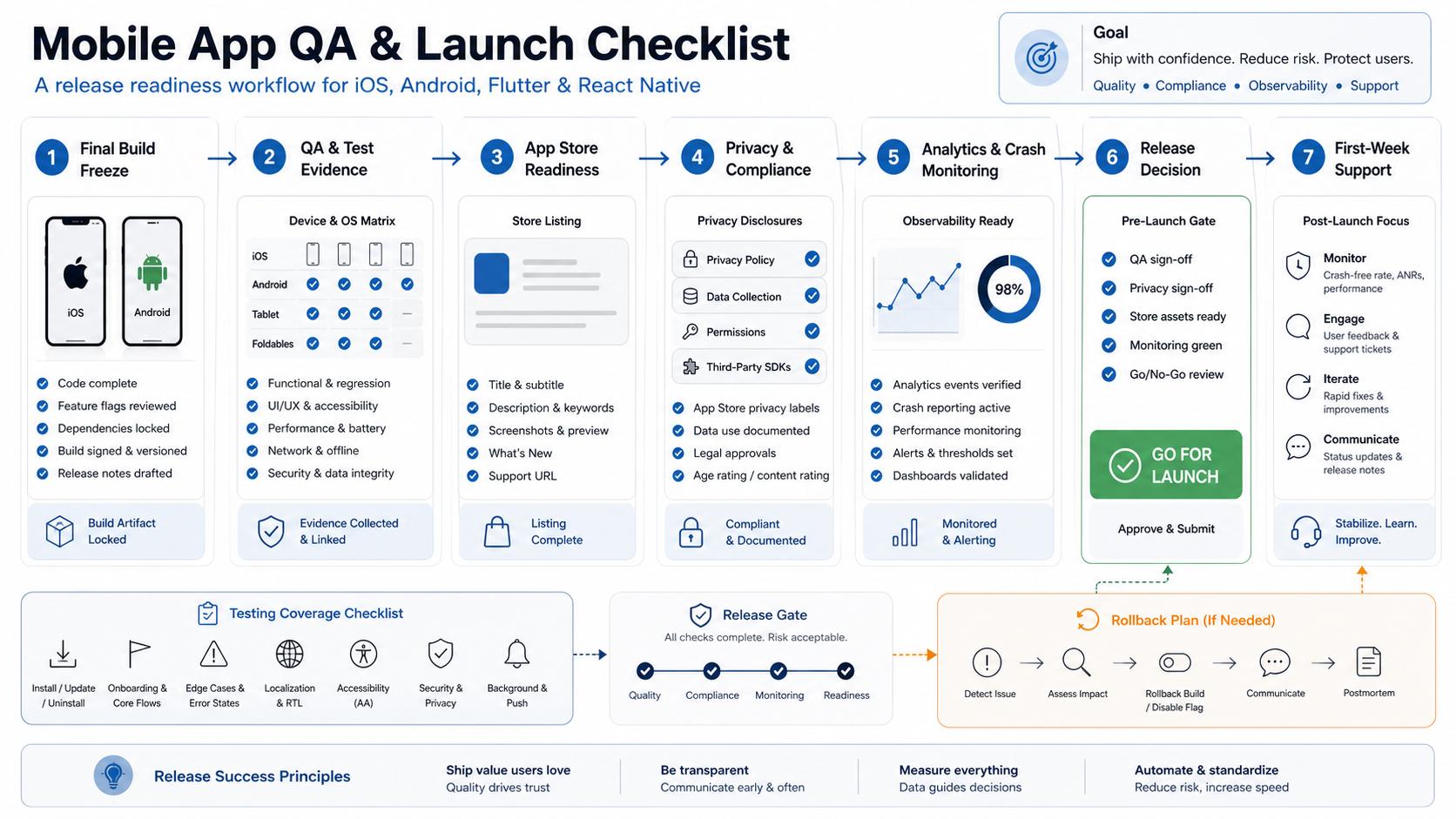
Use this 2026 mobile app launch checklist to prove QA coverage, API 36 readiness, app store privacy and SDK evidence, Android vitals, rollback controls, support handoff, and go/no-go decisions before release.